Product Design, Manufacturing & Innovation Resources

مقياس R&R (قابلية التكرار والاستنساخ)

قياس R&R

مقياس R&R (قابلية التكرار والاستنساخ)

الهدف:

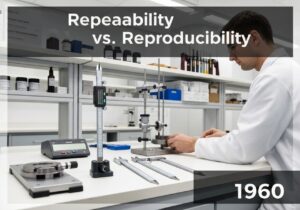
لتقييم مقدار التباين في نظام القياس الذي يرجع إلى جهاز القياس نفسه (قابلية التكرار) والمشغلين الذين يستخدمون الجهاز (قابلية التكرار).

كيفية استخدامه:

الايجابيات

سلبيات

الفئات:

الأفضل لـ:

Gage R&R studies are widely implemented across various industries such as manufacturing, automotive, aerospace, and healthcare, where consistent and accurate measurements are paramount for quality control and assurance. This methodology is particularly applicable during the early stages of product development, pilot production runs, and ongoing quality monitoring. Participants typically include quality engineers, process engineers, and operators who utilize measurement systems to assess critical dimensions and performance metrics of components. By conducting experiments where multiple operators measure the same parts using a designated gage under similar conditions, organizations can determine the extent of variability that can be attributed to the measurement system itself, as well as to operator variability. In automotive manufacturing, for instance, Gage R&R assessments help to ensure that measurements of component specifications align with safety and performance standards, thereby avoiding costly defects and recalls. Data obtained from statistical analysis enables teams to pinpoint specific sources of variability, whether they stem from equipment calibration issues or operator technique differences. This knowledge informs decisions regarding training needs for personnel, adjustments in measurement procedures, or enhancements in measurement equipment, thereby leading to more reliable processes. Regular application of Gage R&R studies can reinforce a company’s commitment to maintaining high-quality manufacturing standards and facilitate continual improvement initiatives within quality management systems such as ISO 9001 or Six Sigma methodologies.

الخطوات الرئيسية لهذه المنهجية

  1. حدد أجزاء القياس وتأكد من أنها تمثل التباين داخل المجتمع الإحصائي.
  2. تدريب المشغلين على إجراءات القياس للحفاظ على الاتساق.
  3. اطلب من عدة مشغلين قياس نفس الأجزاء عدة مرات باستخدام نفس المقياس.
  4. ترتيب القياسات عشوائيًا لتقليل التحيز.
  5. حساب مكونات التباين من بيانات القياس.
  6. حلل البيانات باستخدام الأساليب الإحصائية، مثل ANOVA أو التقنيات المكافئة.
  7. تحديد النسبة المئوية للتغير الكلي للعملية المنسوب إلى نظام القياس.
  8. تقييم وتوثيق ما إذا كان نظام القياس مناسبًا للاستخدام المقصود أم لا.
  9. تحديد مصادر الخطأ في القياس وتحليلها لتحسين النظام.

نصائح للمحترفين

  • استخدام مخططات التحكم لرصد وتصور التباين مع مرور الوقت وأداء المشغل أثناء دراسة مراجعة وإصلاح المقياس.
  • تضمين دورات تدريبية للمشغلين قبل إجراء دراسات R&R للمقياس لضمان الاتساق في تقنيات القياس والتفسيرات.
  • قم بإجراء تحليل متعدد الأبعاد يتضمن تفاعلات العوامل في تقييمك الإحصائي لتحديد المصادر الدقيقة لتباين القياس.

لقراءة عدة منهجيات ومقارنتها, نوصي باستخدام

> مستودع المنهجيات الشامل  <
مع أكثر من 400 منهجية أخرى.

نرحب بتعليقاتكم على هذه المنهجية أو المعلومات الإضافية على قسم التعليقات أدناه ↓، وكذلك أي أفكار أو روابط متعلقة بالهندسة.

السياق التاريخي

1957
1957
1959-11
1960
1960
1960
1960
1950
1957
1958
1960
1960
1960
1960
1960

(إذا كان التاريخ غير معروف أو غير ذي صلة، على سبيل المثال "ميكانيكا الموائع"، يتم توفير تقدير تقريبي لظهوره الملحوظ)


منشورات ذات صلة

الصور بالحجم الكامل والتنزيلات متاحة فقط 100% مجاناً للأعضاء المسجلين.