التحسين المستمر, نظام الإنتاج في الوقت المناسب (JIT), التصنيع الرشيق, تحسين العمليات, كفاءة الإنتاج, إدارة الجودة, رسم خريطة سلسلة القيمة
الهدف:
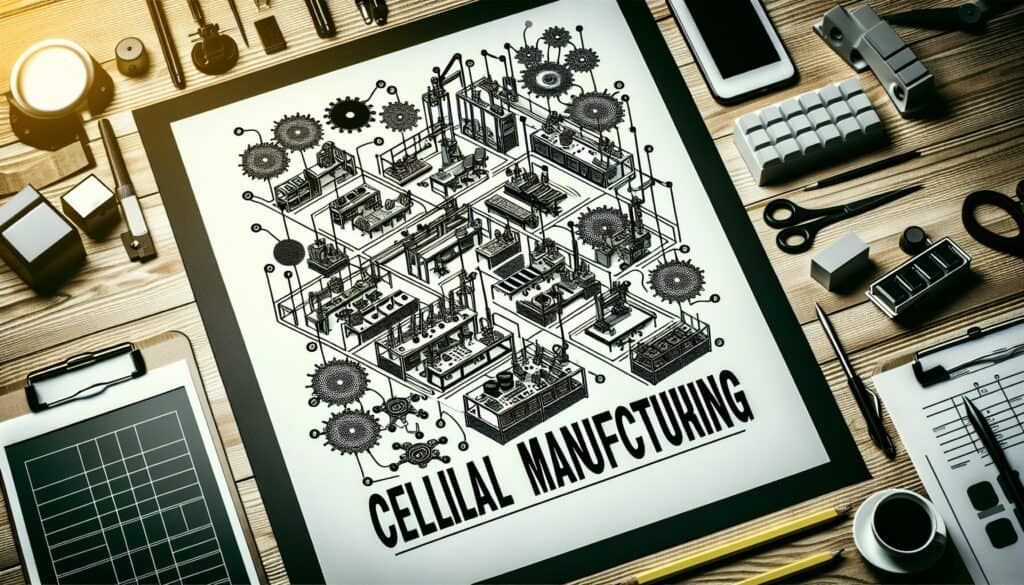
لتحسين كفاءة الإنتاج من خلال تجميع الآلات غير المتشابهة في خلايا تعمل على منتجات ذات متطلبات معالجة متشابهة (عائلات الأجزاء).
كيفية استخدامه:
تُرتّب محطات العمل والمعدات بشكل متسلسل لضمان انسيابية تدفق المواد والمكونات خلال عملية الإنتاج بأقل قدر من النقل والتأخير. وتتولى كل خلية مسؤولية تصنيع مجموعة من الأجزاء المتشابهة.
الايجابيات
يقلل من مخزون العمل قيد التنفيذ، وأوقات التسليم، ومناولة المواد؛ ويحسن المرونة، ومعنويات العمال، والجودة؛ ويوفر مساحة المصنع.
سلبيات
قد يكون تنفيذه مكلفاً (إعادة ترتيب المعدات، والتدريب)؛ ويتطلب تخطيطاً دقيقاً وتحديداً دقيقاً لمجموعات الأجزاء؛ وقد يكون استخدام الآلات داخل الخلية أقل إذا لم يتم تحقيق التوازن بشكل صحيح؛ كما أنه عرضة للأعطال في حالة تعطل آلة في الخلية.
الفئات:
لين سيجما, تصنيع, تصميم المنتج
الأفضل لـ:
تحسين التدفق والكفاءة في الإنتاج عالي التنوع ومنخفض إلى متوسط الحجم من خلال إنشاء وحدات إنتاج مخصصة ومركزة.
Cellular manufacturing is particularly effective in industries such as automotive, electronics, and appliance manufacturing, where product lines often consist of a variety of components requiring customized assembly processes. This methodology is most beneficial during the design and development phases of new products, where early collaboration among engineers, designers, and production teams can lead to more efficient workflows. The implementation of cellular manufacturing typically begins with a thorough analysis of the product family to identify similarities and group related components, which enables the design of cells that can efficiently deal with variations in production. Participants including production supervisors, quality assurance personnel, and manufacturing engineers are crucial in defining the specific tasks and responsibilities within each cell. This collaborative approach not only enhances communication among team members but also fosters a sense of ownership and accountability, leading to improved worker morale. Furthermore, the layout of the production area can facilitate better ergonomic practices and minimize operator fatigue, which in turn translates to higher quality outputs and lower defect rates. Companies that incorporate cellular manufacturing may use techniques such as just-in-time inventory and lean principles to further enhance productivity, thereby reducing costs associated with excess inventory and prolonging lead times. Continuous improvement initiatives, like Kaizen, are often applied alongside cellular manufacturing, allowing teams to regularly assess and refine their processes to stay competitive in fast-paced markets.
الخطوات الرئيسية لهذه المنهجية
حدد مجموعة الأجزاء المتشابهة التي سيتم إنتاجها.
صمم تخطيط الخلايا مع مراعاة سير العمل وكفاءة استخدام المساحة.
تجميع المعدات ومحطات العمل بناءً على تسلسل العمليات المطلوبة.
قم بتعيين أعضاء الفريق لأدوار محددة داخل الخلية بناءً على مجموعات المهارات.
قم بتطبيق إجراءات عمل موحدة لكل عملية داخل الخلية.
قم بإنشاء أدوات وضوابط بصرية لمراقبة سير العمل والجودة.
إجراء مراجعات وتعديلات منتظمة بناءً على الأداء والتعليقات.
قم بتدريب الموظفين على تشغيل الخلايا وشجع التدريب المتبادل لتحقيق المرونة.
قم بتطوير التصاميم والعمليات بشكل متكرر بناءً على مقاييس الكفاءة وجودة المنتج.
نصائح للمحترفين
قم بتحليل تدفق العمليات بانتظام لتحديد الاختناقات وموازنة أحمال العمل عبر محطات العمل لتحقيق الكفاءة المثلى.
قم بتطبيق التدريب المتبادل للعمال لتعزيز المرونة، مما يسمح بسهولة الانتقال بين المهام والخلايا مع تقلب الطلب.
استخدم مقاييس الأداء لتقييم فعالية الخلية بشكل مستمر، مع تعديل التخطيط والموارد بناءً على بيانات الإنتاج في الوقت الفعلي.