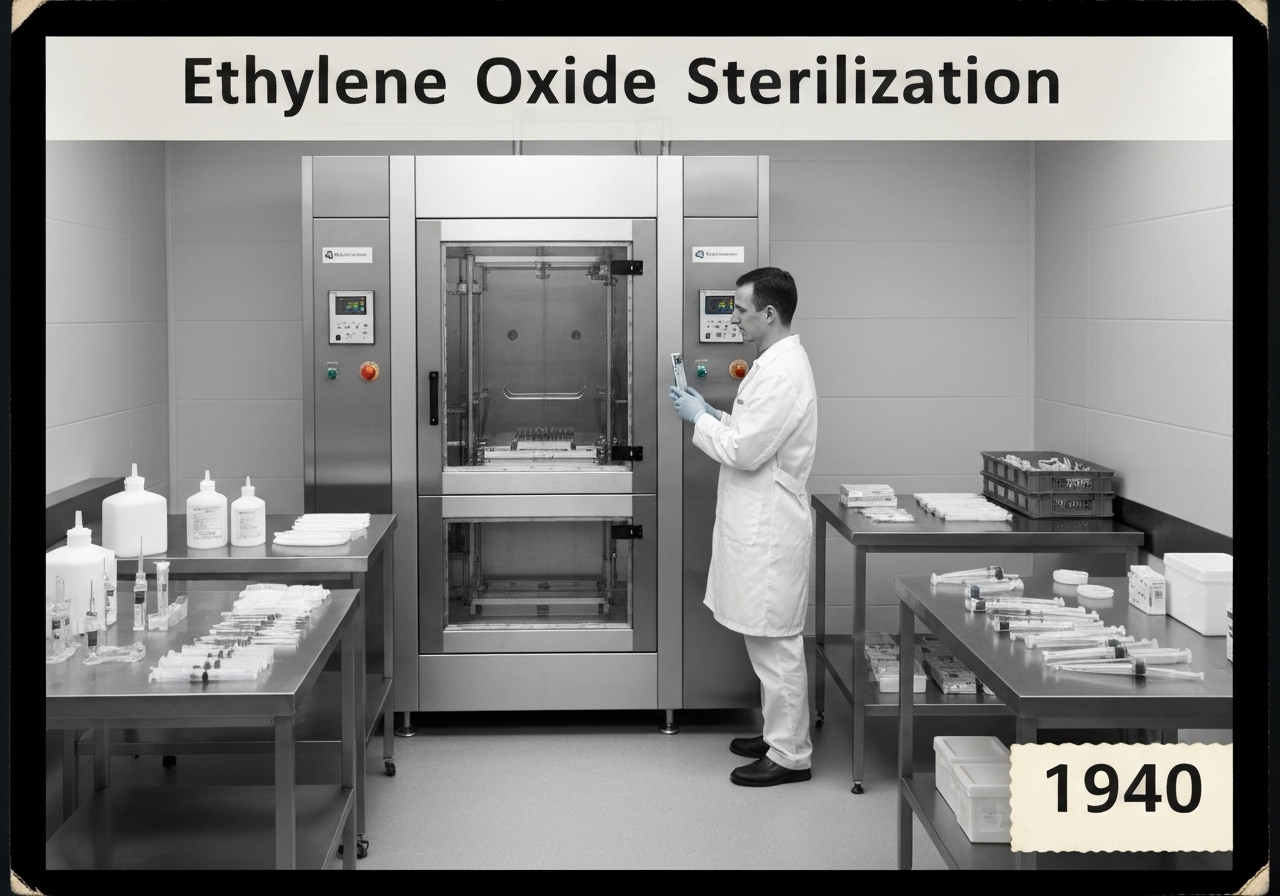
Ethylene oxide (C2H4O) is a colorless, flammable, and highly reactive gas. Its effectiveness as a sterilant lies in its ability to act as a potent alkylating agent. The process works at a molecular level. The strained three-membered ring of the ethylene oxide molecule readily opens and reacts with nucleophilic groups in essential cellular components. It primarily targets sulfhydryl (-SH), amino (-NH2), carboxyl (-COOH), and hydroxyl (-OH) groups found in proteins and nucleic acids (DNA and RNA). By adding an alkyl group to these sites, EtO permanently modifies the molecules, blocking reactive sites, causing cross-linking, and ultimately preventing microbial metabolism and replication. This mechanism is effective against all forms of microorganisms, including highly resistant bacterial spores. A typical EtO sterilization cycle is complex and must be carefully controlled. It consists of several phases: preconditioning (adjusting temperature and humidity), gas injection (introducing the EtO), exposure or dwell time (holding the load under specified conditions for several hours), and aeration (removing residual EtO gas). Key parameters are gas concentration (typically 400–1200 mg/L), temperature (usually 37–63 °C), relative humidity (40–80%), and exposure time (1–6 hours). The lower temperature range makes it ideal for materials that would be damaged by the heat of autoclaving, such as polymers, electronics, and medical devices with complex designs. However, EtO is toxic, carcinogenic, and explosive, requiring stringent safety protocols and a lengthy aeration period to ensure residual gas is removed from the sterilized items to safe levels before they can be used.
While ethylene oxide was first synthesized in 1859 by Charles-Adolphe Wurtz, its potent biological activity was not fully realized until much later. It was patented as a fumigant for killing insects by Lloyd L. Schrader in the 1920s. Its application as a sterilizing agent for medical supplies was pioneered in the 1940s and became widespread in the 1950s, particularly with the rise of disposable plastic medical devices. The U.S. military reportedly developed the process for sterilizing equipment. This innovation was revolutionary because it filled a critical gap; before EtO, there was no reliable method for sterilizing the growing number of heat-sensitive instruments and supplies that were becoming essential to modern medicine. It enabled the mass production and use of pre-packaged, sterile, single-use devices, which have significantly reduced the risk of healthcare-associated infections.
ذات صلة بما يلي: أكسيد الإيثيلين، إيتو، التعقيم الكيميائي، التعقيم الكيميائي، درجات الحرارة المنخفضة، الألكلة، الأجهزة الطبية، البلاستيك، السُمية، التهوية، الحساسة للحرارة.