هل تعلم أنه في عام 2025، من المتوقع أن يصل تمويل أبحاث التكنولوجيا الحيوية إلى $9,137 مليون دولار؟ يُظهر هذا الاستثمار الضخم أهمية الهندسة العصبية. فهو يجمع بين العديد من المجالات العلمية لتحسين كيفية فهمنا للأنشطة العصبية والتحكم فيها. هذا المجال لا يتعلق فقط بالحصول على الأموال. إنه يتعلق بتحقيق خطوات كبيرة في مجال الاتصالات بين الدماغ والحاسوب، وتغيير علاجات اضطرابات الدماغ، وكيفية تفاعلنا مع الآلات.
تقود الهندسة العصبية الطريق في مجال البحوث الطبية من خلال دمج الهندسة الحيوية وعلوم الدماغ والتكنولوجيا الرقمية. في عام 2025، يتخطى هذا المجال حدود معرفتنا وقدراتنا. على سبيل المثال، تلقى عدد قليل من المرضى مؤشرات BCI مزروعة مباشرة في أدمغتهم. ولكن، استخدم أكثر من 160,000 شخص أجهزة التحفيز الدماغي العميق للتعامل مع حالات الدماغ.
النقاط الرئيسية
- Neural engineering in 2025 benefits from significant funding across various research domains, including biotechnology and الهندسة الحيوية.
- واجهات الدماغ والحاسوب and neuromodulation techniques are at the forefront of current research trends.
- Noninvasive BCIs using EEG are التقنيات الناشئة with promise, facing challenges in signal extraction.
- تبحث مؤسسات مثل هارفارد بنشاط عن خبراء في هذا المجال لدفع البحوث المبتكرة إلى الأمام.
- من المقرر أن تؤدي التطورات في الذكاء الاصطناعي والتعلم الآلي إلى تعزيز BCI الأداء والموثوقية.
نظرة عامة على الهندسة العصبية في عام 2025
Neural engineering in 2025 stands at the crossroads of innovation and major الرعاية الصحية advancements. It combines computer science, electrical engineering, and more to make devices that work with brain tissue. The field’s wide applications, like brain-computer links, neuroimaging, and robot-assisted motion, highlight its game-changing potential.
التعريف والنطاق
تستخدم الهندسة العصبية الهندسة لفهم الجهاز العصبي وتحسينه. فهي تساعد في حل المشاكل الحادة مثل السكتات الدماغية وإصابات الدماغ وتعزز التحكم في الروبوتات. ويخطو هذا المجال خطوات واسعة في تحويل نشاط الدماغ إلى حلول تكنولوجية، وتحسين كيفية تحركنا وإدراكنا للعالم.
السياق التاريخي والتطور
لقد نما مجال الهندسة العصبية من أجهزة التعديل العصبي الأساسية إلى الروابط المعقدة بين الدماغ والحاسوب. وينصب التركيز الرئيسي الآن على صنع أنسجة يمكنها شفاء الأعصاب. كانت الدراسات التي أجريت على الحيوانات حاسمة في فهم مسارات الدماغ البشري، مما مهد الطريق لإنجازات الهندسة العصبية اليوم في عام 2025.
كما أن أنظمة التسجيل العصبي الدائمة قد غيرت طريقة عرضنا للإشارات العصبية والتحكم بها. وتُظهر الأجهزة التي تساعد على استعادة الحركة بعد السكتات الدماغية تأثير هذا المجال في العالم الحقيقي. ويستمر هذا المجال في النمو، مبشراً بطرق جديدة لزيادة القدرات البشرية.
| الحقل | طلب | تأثير |
|---|---|---|
| واجهات الدماغ والحاسوب | Control robotic devices, improve neuroprostheses | التفاعل الموسع بين الإنسان والتكنولوجيا |
| التصوير العصبي | تقنيات تخطيط الدماغ المتقدمة | فهم أفضل لوظائف الدماغ |
| العصبية Tissue Engineering | إصلاح الأعصاب وتجديدها | تحسين التعافي بعد الإصابات العصبية |
| الروبوتات العصبية | تحكم محسّن في الأطراف الروبوتية | تحسين جودة حياة مبتوري الأطراف |
الاتجاهات الحالية في أبحاث الهندسة العصبية
في عام 2025، تخطو الهندسة العصبية خطوات كبيرة في مجال العلوم والتكنولوجيا. الأمر كله يتعلق بالاختراعات الجديدة التي تمزج بين مجالات الدراسة المختلفة. نحن نشهد واجهات عصبية أفضل، وإعدادات بين الدماغ والحاسوب، وطرق جديدة لتغيير النشاط العصبي. تعمل هذه التطورات على تغيير الطب وتعميق معرفتنا بالدماغ والأعصاب.
الواجهات العصبية والواجهات بين الدماغ والحاسوب
في الوقت الراهن، تتصدر الواجهات العصبية وواجهات الدماغ والحاسوب (BCIs) الطريق. لقد تحسنت بفضل المواد الجديدة وتقنيات البناء الجديدة. وهذا يعني أنها أقل توغلاً وتعمل بشكل أفضل مع أنظمتنا العصبية. وتكتسب واجهات BCIs أهمية خاصة في مساعدة الأشخاص الذين يعانون من مشاكل حركية شديدة على التواصل والتحكم في الأجهزة.
التعديل العصبي والأطراف الاصطناعية العصبية
يحظى التعديل العصبي والأطراف الصناعية العصبية باهتمام كبير أيضاً. تساعد تقنيات مثل التحفيز العميق للدماغ في علاج مرض باركنسون والصرع. تعمل الأجهزة التعويضية العصبية على تحسين أو استبدال وظائف الجهاز العصبي. ينصب التركيز على التحكم الدقيق وجعلها تناسب كل مريض بشكل أفضل. يمكن أن يؤدي ذلك إلى نتائج صحية أفضل والمزيد من خيارات العلاج.
التقنيات والابتكارات الناشئة
Linking neural engineering with AI and machine learning is a big trend. This makes neural devices smarter and able to adjust on their own. They offer better feedback and can process data in real-time. Exciting work with nanotech and CRISPR-Cas9 also shows where we could be headed next. These could change how we diagnose and treat neurological ailments.
وعلاوة على ذلك، هناك عمل على واجهات عصبية متطورة تتوافق بشكل جيد مع أجسامنا. وهذا يشير إلى مجال بحثي يتطلع دائمًا إلى الأمام. إنها علامة تبعث على الأمل في أن الهندسة العصبية يمكن أن تغير الرعاية الصحية وتعزز قدرات الإنسان.
الشركات الرئيسية الرائدة في مجال الهندسة العصبية في عام 2025
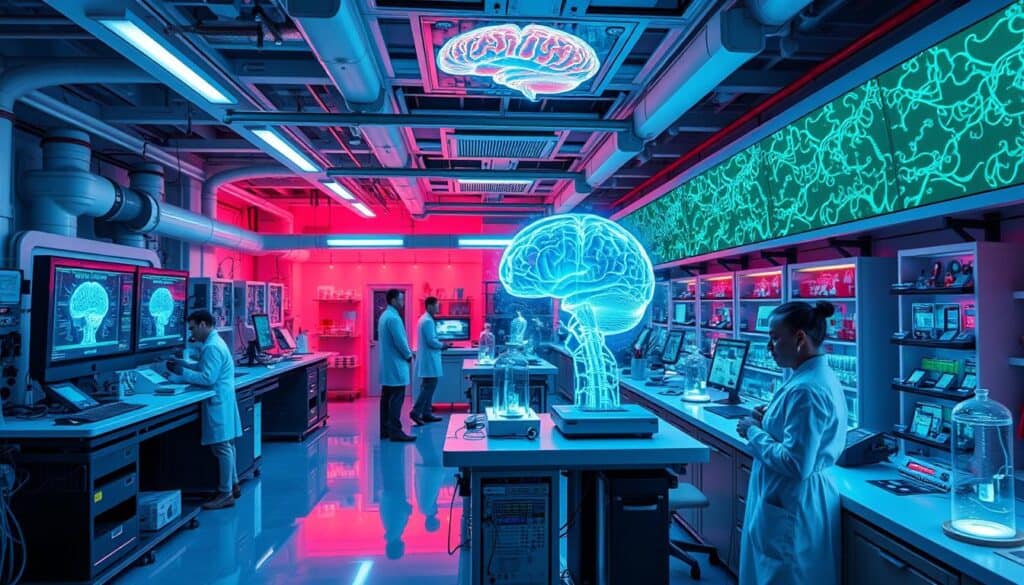
في عام 2025، تخطو الشركات القائمة والشركات الناشئة المبتكرة خطوات كبيرة في مجال الهندسة العصبية. فهي تركز على الواجهات العصبية والتعديل العصبي والأجهزة العصبية الاصطناعية. يعمل عملهم على تغيير طريقة تفكيرنا في مستقبل هذه التقنيات.
اللاعبون الرئيسيون في السوق
Big companies have been leading the charge in neural engineering. They’re innovating and developing التقنيات الجديدة:
- بوسطن ساينتيفيك:: هم رواد في ابتكار أجهزة طفيفة التوغل. يعالج نظامهم Greenlight تضخم البروستاتا الحميد بفعالية.
- مدترونيك:: تستثمر بكثافة في البحث والتطوير، حيث تقوم شركة مدترونيك بتصنيع أجهزة مثل أجهزة تنظيم ضربات القلب وأنظمة التحفيز العصبي. وهي تركز على الأدوات المتقدمة التي تتطلب عمليات جراحية أقل توغلاً.
- جنرال إلكتريك للرعاية الصحية:: يتخصصون في التصوير التشخيصي مثل التصوير بالرنين المغناطيسي والتصوير المقطعي المحوسب والموجات فوق الصوتية. تكرس GE Healthcare جهودها لتحسين رعاية المرضى باستخدام هذه التقنيات.
- أبوت:: تشتهر شركة أبوت بمنتجاتها التشخيصية، وتعمل على تحسين إدارة مرض السكري وأمراض القلب وغيرها. يؤثر عملهم بشكل كبير على تكنولوجيا الرعاية الصحية.
- سترايكر: تعمل شركة Stryker على تطوير العمليات الجراحية وعلاجات تقويم العظام. فهي تصمم الأجهزة الطبية التي تدعم هذه التحسينات.
الشركات الناشئة والداخلون الجدد
كما تقدم الشركات الجديدة أفكاراً جديدة في مجال الهندسة العصبية. فهي تطور حلولاً جديدة وتحصل على التمويل الذي تحتاجه:
- بلاك روك نيوروتيك:: حصلوا على $200 مليون من Tether في أبريل 2024. تحقق Blackrock تقدمًا كبيرًا في الواجهات العصبية.
- فيرج جينوميات فيرج:: مع $134.1 مليون دولار في تمويل السلسلة B، فإنهم يعالجون الأمراض العصبية التنكسية. وهذا يجعلهم لاعباً رئيسياً في الهندسة العصبية.
- سيريبل:: شهدت معدل نمو مذهل على مدى خمس سنوات. تحافظ شركة سيريبل على نموها في مجال الهندسة العصبية.
- نيورالينينك:: تقدر قيمتها بـ $5 مليار دولار بعد حصولها على تمويل بقيمة $280 مليون دولار تعمل Neuralink على واجهات بين الدماغ والآلة التي يمكن أن تغير الهندسة العصبية.
- هيبوك:: حصلت هذه الشركة الناشئة في مونتريال على تمويل تأسيسي بقيمة $3 مليون دولار. وهي تمزج بين علم الأعصاب والذكاء الاصطناعي من أجل ابتكارات رائدة.
من المتوقع أن يصل حجم سوق علم الأعصاب العالمي إلى $721 مليار بحلول عام 2026. ويغذي هذا الاتجاه معدل نمو يبلغ 4.2%. ومع استمرار الاستثمارات، سنرى المزيد من الوظائف والابتكارات في مجال الهندسة العصبية.
The biomedical engineering field is led by companies like Boston Scientific and Medtronic. They’re at the forefront of medical tech advancements. These companies are key to better healthcare through new devices and technologies.
| شركة | الإنجازات البارزة |
|---|---|
| بلاك روك نيوروتيك | جمع $200 مليون دولار أمريكي من Tether؛ الاستحواذ على حصة الأغلبية |
| فيرج جينوميات فيرج | تأمين تمويل بقيمة $134.1 مليون من السلسلة B |
| سيريبل | 7,5921792% معدل نمو البحث على مدى خمس سنوات |
| نيورالينينك | $5B valuation after $280M funding |
| هيبوك | $3M seed funding for neuroscience and AI platform |
Both established companies and new players are shaping neural engineering’s future. Their innovations offer promising وظيفة prospects. These advancements will push healthcare into new territories.
Practical Applications of Neural Engineering in 2025
Neural engineering is doing big things in 2025. It’s changing many parts of our lives and health, thanks to new tech. Medical areas and beyond are seeing huge improvements.
Medical and Therapeutic Uses
Neural engineering is making a mark in medicine. The IEEE Brain Workshop in Chicago will show off these advances. It is all set for October 3-4, 2025, focusing on new therapies and their impacts.
Neuroprosthetics are a game-changer, fixing sight, hearing, and movement. Optogenetics is also fighting Parkinson’s and epilepsy. A big team of experts is joining forces to tackle medical hurdles with neural engineering in 2025.
| Medical Challenge | Neural Engineering Application |
|---|---|
| Neurological Disorders | Optogenetics-based therapies |
| استعادة الوظيفة الحركية | الأجهزة التعويضية العصبية |
| Vision and Hearing Loss | Advanced Neuroprosthetics |
Non-Medical Applications
Neural engineering isn’t just for medicine. It’s also boosting non-medical fields. Things like brain-computer interfaces (BCIs) are getting better, thanks to it.
This tech is making it easier to dive into virtual worlds. It’s opening new doors in gaming, learning, and VR. Dr. Amy Kruse from Satori Neuro will talk about these leaps at the IEEE Symposium.
In 2025, neural engineering’s reach is impressive. It’s mixing new technologies with cool applications. This mix is set to greatly boost what humans can do.
Future Advancements in Neural Engineering
Future advancements in neural engineering will deeply change how we interact with technology. Over 50 scholarly articles were reviewed, showing that the field is quickly evolving. These articles discuss various topics. For example, brain-computer interfaces, neuroprosthetic implants, and methods for modeling neurological diseases. They also talk about deep brain stimulation and devices that can control epilepsy.
Projected Technological Breakthroughs
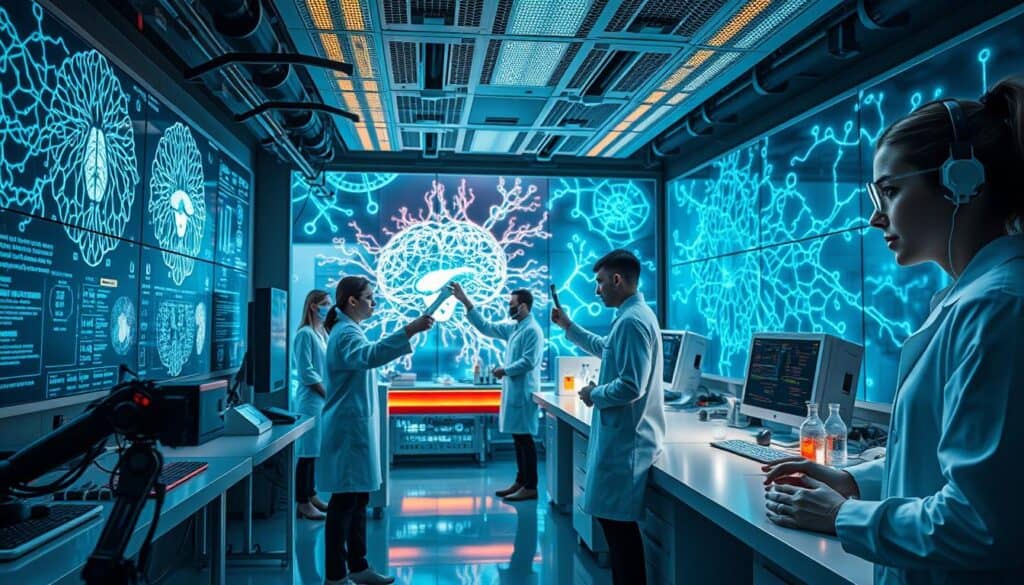
In 2025, big breakthroughs in neural engineering are expected. The reviewed literature highlights technologies like the BrainGate implant and DARPA’s brain-computer project. There are also new methods for detecting neurotransmitters. Innovations such as neural tissue for treating spinal cord injuries and visual aids for the blind are on the horizon.
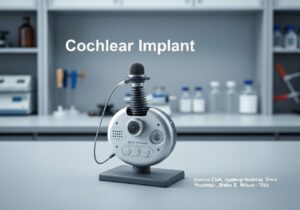
Companies like Medtronic PLC are at the forefront, offering treatments for many medical conditions worldwide. They are making advances in bionics and prosthetics. This includes improved limbs, Cochlear implants, and retinal implants that use new tech.
Potential Impact on Society
These advancements will have a big impact on society. Brain-computer interfaces (BCIs), like ECoG or EEG, are helping people with many conditions. Successful collaborations between experts are key to these technologies.
Ethics and societal impact are also important to consider. Topics like the safety of implant electrodes and privacy are being discussed. Successful cases have already improved many lives. For example, bionic reconstruction after nerve injury and prosthetic arms for arm loss have been transformative.
The table below summarizes some of the key advancements and their impacts:
| الترقية | Key Contributor | تأثير |
|---|---|---|
| BrainGate Implant | Medtronic PLC | Restoration of movement for paralytic patients |
| Visual Neuroprosthesis | Cochlear | Vision restoration for the blind |
| Neural Tissue Transplantation | Various research institutions | Spinal cord injury treatment |
| Neuroprotheses | Ekso Bionics, Ossur | Enhanced prosthetic limb functionality |
These future advancements in neural engineering in 2025 are set to break new ground. They bring new hope and possibilities for millions worldwide in both medicine and technology.
Opportunities in Neural Engineering
The field of neural engineering is growing fast. It offers great careers and learning opportunities. Schools and research places are creating new programs for this demand.
Career Prospects and Educational Pathways
Jobs in neural engineering vary widely, from schools to high-tech firms. Now, many colleges offer degrees in neural engineering and related fields. A standout program is at Georgia Tech and Emory University. It blends neuroscience, engineering, and medicine.
It gets support from the NIH and other funding. This mix of studies prepares students for the future.
| Institution | Program | Application Deadline |
|---|---|---|
| University of Washington | Research Experience for Undergraduates | January 15, 2025 |
| Georgia Tech | Undergraduate Research in Engineering/Sciences | February 15, 2025 |
| Neuromatch Academy | Open Science 101 Course | غير متاح |
| Georgia Tech & Emory جامعة | Computational Neural-Engineering Training Program | Rolling |
Funding and Grants
The NIH now gives 50% more support to neural engineering programs. This boost helps Georgia Tech and Emory University grow their program. More students can now get help with fees and gain knowledge and skills.
Other funds come from the National Science Foundation (NSF) and its workshops. These efforts give students a broad and deep education. They’re ready to tackle today’s neural engineering challenges.
The Impact of Neural Engineering in 2025
Neural engineering, as we know it in 2025, has changed our world. It has reshaped healthcare, impacting the economy and how we live. Through advanced biotech, innovative diagnostic tools, and new treatments, it brings major changes.
Healthcare Improvements
Neural engineering has led to huge steps forward in healthcare. One example is how researchers at Michigan State University study early brain development. This research helps spot disorders like autism and ADHD earlier than before.
Research at MSU also found that honeybees can sniff out lung cancer signs in breath. This breakthrough in diagnostics is changing patient care. It allows doctors to find diseases sooner and improve treatment success.

Economic and Social Impacts
The economic effects of neural engineering in 2025 are big. This growing sector sparks innovation, creates jobs, and opens new markets. For instance, two MSU Biomedical Engineering students were recognized for their research. This shows the need for more education programs to build a skilled workforce.
| Healthcare Advancements | Economic Contributions |
|---|---|
| Improved diagnostic techniques (e.g., honeybee biomarker detection) | Job creation and innovation in biomedical sectors |
| Advanced treatments for neurological disorders | Market opportunities for new medical devices and technologies |
Neural engineering’s societal impact has stirred deep ethical discussions. The idea of التعزيز البشري through bioengineering poses serious questions. For example, Rebecca Knickmeyer studies genetics in brain development, highlighting future shifts in how we view neurological conditions.
In summary, neural engineering changes healthcare, economy, and societal norms. As we move forward, balancing tech advancements with ethical concerns is key. We must make sure these innovations are good for everyone.
Challenges and Ethical Considerations
The field of neural engineering is rapidly growing. It faces many challenges and ethical issues. We must solve these problems for the field to move forward responsibly.
Ethical Dilemmas in Neural Engineering
One major ethical consideration in neural engineering is the debate between enhancement and therapy. Devices like brain-computer interfaces can help with conditions like epilepsy, Parkinson’s disease, and loss of communication. But, their use for making people “better than well” brings up issues of privacy and fairness.
There are also concerns about making people all think similarly, being inauthentic, and devaluing achievements. Informed consent is critical to let people know the risks and possible dangers. Past issues with medical devices highlight the need for strict ethical standards.
Technical and Practical Challenges
The challenges in neural engineering go beyond just ethical concerns. Technical issues also stand in the way. Brain-computer interfaces need to record many neurons and need better electrodes and materials to do this well. The complexity of the human nervous system makes creating effective treatments hard.
Our knowledge of the brain is still limited. This makes it tough to improve and fine-tune neural interfaces. Invasive interfaces need surgery, while noninvasive ones use يمكن ارتداؤها devices. Both have unique challenges that require more research and innovation.
| Key Challenges | أمثلة |
|---|---|
| Ethical Dilemmas | Privacy concerns, inequality, informed consent |
| Technical Challenges | Improving electrode design, recording sufficient neurons |
| Practical Implementation | Integration within complex nervous systems |
It’s crucial to tackle these challenges and ethical issues as neural engineering grows. This ensures its responsible and التنمية المستدامة.
خاتمة
Neural engineering is advancing rapidly as of 2025. It’s creating new chances and tough choices for us. We see big steps forward in tech like neural and brain-computer interfaces, and in treating or replacing parts of the nervous system. Spiking Neural Networks (SNNs) are now competing with Deep Neural Networks (DNNs). They are making waves in space and cars, among others.
This field isn’t just changing health care. It could change our economies and how we live together. New ideas like Meta-SpikePropamine and Chip-In-Loop SNN الوكيل Learning show the field’s energy. There’s a growing interest in tech that senses events and in نيورومورفيك engineering. For these ideas to help society, we need teamwork across fields and smart rules.
Conferences like The Brain and The Chip 2024 was key. They set high standards and share big ideas, shaping the future of neural engineering. The dedication of places like the University Miguel Hernández in Elche is vital. They ensure top-notch education and research in this exciting area. Neural engineering’s future is bright, but it needs us to work together—academics, companies, and governments.
التعليمات
ما هو الوضع الحالي لأبحاث وتطبيقات الهندسة العصبية في عام 2025؟
في عام 2025، تقود الهندسة العصبية الطريق في العلوم الطبية. وهي تجمع بين الهندسة الحيوية ودراسات الدماغ والتكنولوجيا الرقمية. الهدف هو فهم كيفية عمل الدماغ والتحكم فيه. يعمل هذا المجال على إصلاح مشاكل الجهاز العصبي وتحسين كيفية تفاعل البشر والآلات. ويستخدم علم المواد الجديدة وتقنيات التصنيع الصغيرة جداً.
كيف تطورت الهندسة العصبية تاريخياً؟
تطورت الهندسة العصبية من أجهزة بسيطة إلى روابط متقدمة بين الدماغ والحاسوب. وهي تعمل الآن على تحسين واستعادة القدرات البشرية. ويتم ذلك من خلال تحويل النشاط الدماغي إلى أفعال مفيدة والعودة إلى الوراء. وهي تستخدم خبرات من دراسات الدماغ الحاسوبية والدراسات الكهربائية وغيرها من المجالات.
ما هي الاتجاهات الحالية في أبحاث الهندسة العصبية؟
وتشمل أحدث الاتجاهات في هذا المجال تحسين الروابط العصبية والواجهات بين الدماغ والحاسوب، والطرق الجديدة للتحكم في نشاط الدماغ، والأطراف الاصطناعية، والتكنولوجيا المتطورة في المواد والتصنيع الصغير. تهدف هذه التحسينات إلى طرق أقل توغلاً وأكثر فعالية للتواصل مع الدماغ البشري.
من هي الشركات الرئيسية الرائدة في مجال الهندسة العصبية في عام 2025؟
تعد كل من الشركات الكبرى والشركات الناشئة الجديدة لاعبين رئيسيين في الهندسة العصبية. فالشركات الكبرى تدفع بالأبحاث حول الروابط العصبية إلى الأمام. تجلب الشركات الناشئة أفكاراً جديدة وتحصل على رأس المال الاستثماري لترك بصمة في هذا القطاع.
ما هي التطبيقات العملية للهندسة العصبية في عام 2025؟
للهندسة العصبية العديد من الاستخدامات، بدءًا من العلاجات الطبية لأمراض مثل الشلل الرعاش والصرع إلى الأغراض غير الطبية. فهي تساعد في تحسين كيفية معالجتنا للمعلومات وتفاعلنا مع العوالم الرقمية. تُظهر هذه الاستخدامات تعدد الاستخدامات وإمكانات هائلة.
ما هي التطورات المستقبلية المتوقعة في الهندسة العصبية؟
ستغير الاختراقات المستقبلية في الهندسة العصبية كيفية تفاعلنا مع التكنولوجيا. نتوقع واجهات أفضل بين الدماغ والحاسوب وأجهزة يمكنها ضبط نشاط الدماغ. وهذه ستجعل الخط الفاصل بين الفكر البشري والآلات أكثر ضبابية.
ما هي الفرص المتاحة للمهن في مجال الهندسة العصبية؟
هناك العديد من فرص العمل في الهندسة العصبية، وفي البحوث الأكاديمية، وشركات التكنولوجيا التي تركز على آلات التعلم والذكاء الذكي. تقدم العديد من الجامعات الآن دورات ودرجات علمية خاصة. وغالباً ما تكون مدعومة بمنح من الصناديق العلمية الكبرى.
كيف تؤثر الهندسة العصبية على الرعاية الصحية في عام 2025؟
Neural engineering is improving healthcare with better diagnosis and care through advanced التقنيات الحيوية and treatments. It’s driving innovation, creating jobs, and opening new markets. But it also brings up big ethical questions about human enhancement.
ما هي التحديات الرئيسية والاعتبارات الأخلاقية في الهندسة العصبية؟
يواجه هذا المجال تحديات كبيرة، بما في ذلك القضايا الأخلاقية المتعلقة بالخصوصية، والموافقة على العلاج، والخط الفاصل بين تحسين حالة الناس والعلاج. إن تعقيد الدماغ يجعل من الصعب إيجاد علاجات فعالة. وهذا يتطلب العمل الجماعي في العديد من المجالات وقواعد دقيقة.
مسرد المصطلحات المستخدمة
Brain-Computer Interface (BCI): نظام يُمكّن من التواصل المباشر بين الدماغ والأجهزة الخارجية، مما يسمح بالتحكم في التكنولوجيا من خلال النشاط العصبي. يتضمن هذا عادةً التقاط الإشارات ومعالجتها وترجمتها إلى أوامر لتطبيقات مثل الأجهزة المساعدة أو الأطراف الاصطناعية العصبية.
Clustered Regularly Interspaced Short Palindromic Repeats (CRISPR): تقنية تحرير الجينوم التي تستخدم آلية دفاع طبيعية في البكتيريا، مما يسمح بإجراء تعديلات دقيقة على تسلسلات الحمض النووي عن طريق استخدام النيوكليازات الموجهة بالحمض النووي الريبي لاستهداف وتغيير مواقع جينية محددة.
Computed Tomography (CT): تقنية تصوير طبي تستخدم الأشعة السينية والمعالجة الحاسوبية لإنشاء صور مقطعية للجسم، مما يتيح تصورًا دقيقًا للهياكل والأنسجة الداخلية. تُعزز هذه التقنية قدرات التشخيص من خلال توفير صور ثلاثية الأبعاد من بيانات ثنائية الأبعاد.
Conversion Rate (CR): نسبة زوار موقع الويب أو صفحة الهبوط الذين يكملون إجراءً مرغوبًا فيه، مثل إجراء عملية شراء أو الاشتراك في النشرة الإخبارية، ويتم حسابها عن طريق قسمة عدد التحويلات على إجمالي عدد الزوار.
Institute of Electrical and Electronics Engineers (IEEE): جمعية مهنية تُعنى بتطوير التكنولوجيا في الهندسة الكهربائية والإلكترونيات وعلوم الحاسوب والمجالات ذات الصلة من خلال المنشورات والمؤتمرات وتطوير المعايير. وتشجع الجمعية الابتكار والتعاون بين المهنيين والباحثين حول العالم.
Magnetic Resonance Imaging (MRI): تقنية تصوير طبي تستخدم مجالات مغناطيسية قوية وموجات راديوية لتوليد صور مفصلة للهياكل الداخلية للجسم، وخاصة الأنسجة الرخوة، من خلال اكتشاف الإشارات المنبعثة من نوى الهيدروجين في وجود مجال مغناطيسي.
Programmable Logic Controller (PLC): حاسوب رقمي يستخدم لأتمتة العمليات الصناعية، ويتكون من ذاكرة قابلة للبرمجة لتخزين التعليمات، وواجهات إدخال/إخراج لمراقبة الآلات والتحكم بها، ومعالج لتنفيذ خوارزميات التحكم.
Radiology Information System (RIS): نظام برمجي لإدارة بيانات التصوير الطبي، وتسهيل جدولة الإجراءات الإشعاعية وتتبعها وإعداد التقارير عنها، والتكامل مع أنظمة الرعاية الصحية الأخرى لتحسين سير العمل ورعاية المرضى.
Robotic Process Automation (RPA): تقنية تستخدم الروبوتات البرمجية لأتمتة المهام المتكررة والمبنية على القواعد في العمليات التجارية، مما يتيح زيادة الكفاءة والدقة والإنتاجية من خلال محاكاة التفاعلات البشرية مع الأنظمة الرقمية.
Spiking Neural Network (SNN): نموذج حاسوبي يحاكي الشبكات العصبية البيولوجية من خلال معالجة المعلومات عبر نبضات أو جهد فعل متقطع، مما يتيح الترميز الزمني والمعالجة القائمة على الأحداث. تُستخدم الشبكات العصبية أحادية الترابط في الحوسبة العصبية الشكلية، وتتميز بقدرتها على التعلم من البيانات المرتبطة بالزمن.