Product Design, Manufacturing & Innovation Resources
Lar » Design de produto » Engenharia Neural » Neural engineering research and applications – Update 2026

Neural engineering research and applications – Update 2026

engenharia neural em 2025

Você sabia que, em 2025, o financiamento para pesquisa em biotecnologia deverá atingir US$ 9,137 milhões? Esse enorme investimento demonstra a importância da área. engenharia neuralEla combina diversas áreas científicas para aprimorar nossa compreensão e controle das atividades neurais. Este campo não se resume apenas à obtenção de financiamento. Trata-se de dar grandes passos na compreensão das conexões cérebro-computador, mudar os tratamentos para distúrbios cerebrais e aprimorar nossa interação com as máquinas.

A engenharia neural está na vanguarda da pesquisa médica, combinando bioengenharia, neurociência e tecnologia digital. Em 2025, esse campo está expandindo os limites do nosso conhecimento e das nossas capacidades. Por exemplo, alguns pacientes receberam BCIs implantados diretamente em seus cérebros. Mas, mais de 160.000 pessoas já usaram dispositivos de estimulação cerebral profunda para tratar problemas cerebrais.

Principais conclusões

  • A engenharia neural em 2025 se beneficia de financiamento significativo em diversas áreas de pesquisa, incluindo biotecnologia e bioengenharia.
  • Interfaces cérebro-computador e técnicas de neuromodulação estão na vanguarda das tendências atuais de pesquisa.
  • Interfaces cérebro-computador não invasivas que utilizam EEG são tecnologias emergentes promissoras, que enfrentam desafios na extração de sinais.
  • Instituições como Harvard estão buscando ativamente especialistas na área para impulsionar pesquisas inovadoras.
  • Os avanços em inteligência artificial e aprendizado de máquina estão prestes a aprimorar BCI Desempenho e confiabilidade.

Visão geral da Engenharia Neural em 2025

Neural engineering in 2025 stands at the crossroads of innovation and major healthcare advancements. It combines computer science, electrical engineering, and more to make devices that work with brain tissue. The field’s wide applications, like brain-computer links, neuroimaging, and robot-assisted motion, highlight its game-changing potential.

Definição e âmbito de aplicação

A engenharia neural utiliza a engenharia para compreender e aprimorar o sistema nervoso. Ela ajuda a solucionar problemas graves como derrames e lesões cerebrais, além de melhorar o controle sobre robôs. Este campo está avançando na transformação da atividade cerebral em soluções tecnológicas, aprimorando a forma como nos movemos e percebemos o mundo.

Contexto histórico e evolução

O campo da engenharia neural evoluiu de dispositivos básicos de neuromodulação para complexas conexões cérebro-computador. Um foco fundamental agora é a criação de tecidos capazes de regenerar nervos. Estudos com animais têm sido cruciais para a compreensão das vias cerebrais humanas, preparando o terreno para os feitos da engenharia neural em 2025.

Além disso, sistemas de gravação neural de longa duração mudaram a forma como vemos e controlamos os sinais neurais. Dispositivos que ajudam a restaurar os movimentos após AVCs demonstram o impacto real da área. E o campo continua crescendo, prometendo novas maneiras de ampliar as capacidades humanas.

CampoApplicationImpacto
Interfaces cérebro-computadorControl robótica dispositivos, aprimorar neuroprótesesInteração humano-tecnologia ampliada
NeuroimagemTécnicas avançadas de mapeamento cerebralMelhor compreensão das funções cerebrais
Engenharia de Tecido NeuralReparação e regeneração nervosaMelhora na recuperação após lesões neurológicas
NeurorobóticaControle aprimorado de membros robóticosMelhoria da qualidade de vida para amputados

Tendências atuais em pesquisa de engenharia neural

Em 2025, a engenharia neural está dando grandes passos na ciência e na tecnologia. Trata-se de novas descobertas que combinam diferentes campos de estudo. Estamos vendo interfaces neurais melhores, configurações cérebro-computador e novas maneiras de alterar a atividade nervosa. Esses avanços estão mudando a medicina e aprofundando nosso conhecimento sobre o cérebro e os nervos.

Interfaces neurais e interfaces cérebro-computador

Atualmente, as interfaces neurais e as interfaces cérebro-computador (BCIs) estão na vanguarda. Elas evoluíram graças a novos materiais e técnicas de construção. Isso significa que são menos invasivas e funcionam melhor com nossos sistemas neurológicos. As BCIs são especialmente importantes para ajudar pessoas com graves problemas de movimento a se comunicarem e controlarem dispositivos.

Neuromodulação e Neuropróteses

A neuromodulação e as neuropróteses também estão recebendo muita atenção. Técnicas como a estimulação cerebral profunda auxiliam no tratamento da doença de Parkinson e da epilepsia. As neuropróteses melhoram ou substituem funções do sistema nervoso. O foco está no controle preciso e na adaptação ideal a cada paciente. Isso pode levar a melhores resultados de saúde e mais opções de tratamento.

Tecnologias emergentes e inovações

A integração da engenharia neural com a IA e o aprendizado de máquina é uma grande tendência. Isso torna os dispositivos neurais mais inteligentes e capazes de se ajustarem por conta própria. Eles oferecem feedback melhor e podem processar dados em tempo real. Há um trabalho empolgante com nanotecnologia e CRISPR-Cas9 Também mostra para onde podemos estar caminhando a seguir. Essas descobertas podem mudar a forma como diagnosticamos e tratamos doenças neurológicas.

Além disso, há trabalhos em andamento sobre interfaces neurais sofisticadas que se integram bem ao nosso corpo. Isso aponta para um campo de pesquisa que está sempre olhando para o futuro. É um sinal promissor de que a engenharia neural pode transformar a área da saúde e impulsionar as capacidades humanas.

Key Companies Leading Neural Engineering in 2025

In 2025, established companies and innovative startups are making big strides in neural engineering. They are focusing on neural interfaces, neuromodulation, and neuroprostheses. Their work is changing how we think about the future of these technologies.

Main Players in the Market

Big companies have been leading the charge in neural engineering. They’re innovating and developing new technologies:

  1. Boston Scientific: they are leaders in creating minimally invasive devices. Their Greenlight system treats benign prostate hyperplasia effectively.
  2. Medtronic: investing heavily in R&D, Medtronic makes devices like cardiac pacemakers and neurostimulation systems. They focus on advanced tools that require less invasive surgeries.
  3. GE Healthcare: they specialize in diagnostic imaging like MRI, CT, and ultrasound. GE Healthcare is dedicated to improving patient care with these technologies.
  4. Abbott: known for their diagnostic products, Abbott is improving the management of diabetes, heart conditions, and more. Their work significantly impacts healthcare technology.
  5. Stryker: Stryker is advancing surgical procedures and orthopedic treatments. They design medical devices that support these improvements.

Innovations in neural engineering

Startups and New Entrants

New companies are also bringing fresh ideas to neural engineering. They’re developing new solutions and getting the funding they need:

  • Blackrock Neurotech: they got $200 million from Tether in April 2024. Blackrock is making big advancements in neural interfaces.
  • Verge Genomics: with $134.1 million in Series B funding, they’re tackling neurodegenerative diseases. This makes them a key player in neural engineering.
  • Ceribell: they’ve seen an impressive growth rate over five years. Ceribell is maintaining its growth in the neural engineering field.
  • Neuralink: valued at $5 billion after getting $280 million in funding. Neuralink is working on brain-machine interfaces that could change neural engineering.
  • Hippoc: this Montreal startup got $3 million in seed funding. They’re mixing neuroscience and AI for groundbreaking innovations.

The global neuroscience market is expected to hit $721 billion by 2026. A 4.2% growth rate is fueling this trend. With continued investments, we’ll see more jobs and innovations in neural engineering.

The biomedical engineering field is liderado by companies like Boston Scientific and Medtronic. They’re at the forefront of medical tech advancements. These companies are key to better healthcare through new devices and technologies.

CompanyNotable Achievement
Blackrock NeurotechRaised $200M from Tether; majority stake acquisition
Verge GenomicsSecured $134.1M Series B funding
Ceribell7,592% search growth rate over five years
Neuralink$5B valuation after $280M funding
Hippoc$3M seed funding for neuroscience and AI platform

Both established companies and new players are shaping neural engineering’s future. Their innovations offer promising trabalho prospects. These advancements will push healthcare into new territories.

Practical Applications of Neural Engineering in 2025

Neural engineering is doing big things in 2025. It’s changing many parts of our lives and health, thanks to new tech. Medical areas and beyond are seeing huge improvements.

Medical and Therapeutic Uses

Neural engineering is making a mark in medicine. The IEEE Brain Workshop in Chicago will show off these advances. It is all set for October 3-4, 2025, focusing on new therapies and their impacts.

Neuroprosthetics are a game-changer, fixing sight, hearing, and movement. Optogenetics is also fighting Parkinson’s and epilepsy. A big team of experts is joining forces to tackle medical hurdles with neural engineering in 2025.

Medical ChallengeNeural Engineering Application
Neurological DisordersOptogenetics-based therapies
Motor Function RestorationNeuropróteses
Vision and Hearing LossAdvanced Neuroprosthetics

Non-Medical Applications

Neural engineering isn’t just for medicine. It’s also boosting non-medical fields. Things like brain-computer interfaces (BCIs) are getting better, thanks to it.

This tech is making it easier to dive into virtual worlds. It’s opening new doors in gaming, learning, and VR. Dr. Amy Kruse from Satori Neuro will talk about these leaps at the IEEE Symposium.

In 2025, neural engineering’s reach is impressive. It’s mixing new technologies with cool applications. This mix is set to greatly boost what humans can do.

Future Advancements in Neural Engineering

Future advancements in neural engineering will deeply change how we interact with technology. Over 50 scholarly articles were reviewed, showing that the field is quickly evolving. These articles discuss various topics. For example, brain-computer interfaces, neuroprosthetic implants, and methods for modeling neurological diseases. They also talk about deep brain stimulation and devices that can control epilepsy.

Future advancements in neural engineering

Projected Technological Breakthroughs

In 2025, big breakthroughs in neural engineering are expected. The reviewed literature highlights technologies like the BrainGate implant and DARPA’s brain-computer project. There are also new methods for detecting neurotransmitters. Innovations such as neural tissue for treating spinal cord injuries and visual aids for the blind are on the horizon.

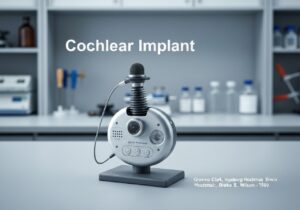
Companies like Medtronic PLC are at the forefront, offering treatments for many medical conditions worldwide. They are making advances in bionics and prosthetics. This includes improved limbs, Cochlear implants, and retinal implants that use new tech.

Potential Impact on Society

These advancements will have a big impact on society. Brain-computer interfaces (BCIs), like ECoG or EEG, are helping people with many conditions. Successful collaborations between experts are key to these technologies.

Ethics and societal impact are also important to consider. Topics like the safety of implant electrodes and privacy are being discussed. Successful cases have already improved many lives. For example, bionic reconstruction after nerve injury and prosthetic arms for arm loss have been transformative.

The table below summarizes some of the key advancements and their impacts:

AdvancementKey ContributorImpacto
BrainGate ImplantMedtronic PLCRestoration of movement for paralytic patients
Visual NeuroprosthesisCochlearVision restoration for the blind
Neural Tissue TransplantationVarious research institutionsSpinal cord injury treatment
NeuroprothesesEkso Bionics, OssurEnhanced prosthetic limb functionality

These future advancements in neural engineering in 2025 are set to break new ground. They bring new hope and possibilities for millions worldwide in both medicine and technology.

Opportunities in Neural Engineering

The field of neural engineering is growing fast. It offers great careers and learning opportunities. Schools and research places are creating new programs for this demand.

Career Prospects and Educational Pathways

Jobs in neural engineering vary widely, from schools to high-tech firms. Now, many colleges offer degrees in neural engineering and related fields. A standout program is at Georgia Tech and Emory University. It blends neuroscience, engineering, and medicine.

It gets support from the NIH and other funding. This mix of studies prepares students for the future.

InstitutionProgramApplication Deadline
University of WashingtonResearch Experience for UndergraduatesJanuary 15, 2025
Georgia TechUndergraduate Research in Engineering/SciencesFebruary 15, 2025
Neuromatch AcademyOpen Science 101 CourseN / D
Georgia Tech & Emory UniversityComputational Neural-Engineering Training ProgramRolling

Opportunities in neural engineering

Funding and Grants

The NIH now gives 50% more support to neural engineering programs. This boost helps Georgia Tech and Emory University grow their program. More students can now get help with fees and gain knowledge and skills.

Other funds come from the National Science Foundation (NSF) and its workshops. These efforts give students a broad and deep education. They’re ready to tackle today’s neural engineering challenges.

The Impact of Neural Engineering in 2025

Neural engineering, as we know it in 2025, has changed our world. It has reshaped healthcare, impacting the economy and how we live. Through advanced biotech, innovative diagnostic tools, and new treatments, it brings major changes.

Healthcare Improvements

Neural engineering has led to huge steps forward in healthcare. One example is how researchers at Michigan State University study early brain development. This research helps spot disorders like autism and ADHD earlier than before.

Research at MSU also found that honeybees can sniff out lung cancer signs in breath. This breakthrough in diagnostics is changing patient care. It allows doctors to find diseases sooner and improve treatment success.

The impact of neural engineering in 2024

Economic and Social Impacts

The economic effects of neural engineering in 2025 are big. This growing sector sparks innovation, creates jobs, and opens new markets. For instance, two MSU Biomedical Engineering students were recognized for their research. This shows the need for more education programs to build a skilled workforce.

Healthcare AdvancementsEconomic Contributions
Improved diagnostic techniques (e.g., honeybee biomarker detection)Job creation and innovation in biomedical sectors
Advanced treatments for neurological disordersMarket opportunities for new medical devices and technologies

Neural engineering’s societal impact has stirred deep ethical discussions. The idea of human enhancement through bioengineering poses serious questions. For example, Rebecca Knickmeyer studies genetics in brain development, highlighting future shifts in how we view neurological conditions.

In summary, neural engineering changes healthcare, economy, and societal norms. As we move forward, balancing tech advancements with ethical concerns is key. We must make sure these innovations are good for everyone.

Challenges and Ethical Considerations

The field of neural engineering is rapidly growing. It faces many challenges and ethical issues. We must solve these problems for the field to move forward responsibly.

Ethical Dilemmas in Neural Engineering

One major ethical consideration in neural engineering is the debate between enhancement and therapy. Devices like brain-computer interfaces can help with conditions like epilepsy, Parkinson’s disease, and loss of communication. But, their use for making people “better than well” brings up issues of privacy and fairness.

There are also concerns about making people all think similarly, being inauthentic, and devaluing achievements. Informed consent is critical to let people know the risks and possible dangers. Past issues with medical devices highlight the need for strict ethical standards.

Technical and Practical Challenges

The challenges in neural engineering go beyond just ethical concerns. Technical issues also stand in the way. Brain-computer interfaces need to record many neurons and need better electrodes and materials to do this well. The complexity of the human nervous system makes creating effective treatments hard.

Our knowledge of the brain is still limited. This makes it tough to improve and fine-tune neural interfaces. Invasive interfaces need surgery, while noninvasive ones use wearable devices. Both have unique challenges that require more research and innovation.

Key ChallengesExemplos
Ethical DilemmasPrivacy concerns, inequality, informed consent
Technical ChallengesImproving electrode design, recording sufficient neurons
Practical ImplementationIntegration within complex nervous systems

It’s crucial to tackle these challenges and ethical issues as neural engineering grows. This ensures its responsible and sustainable development.

Conclusão

Neural engineering is advancing rapidly as of 2025. It’s creating new chances and tough choices for us. We see big steps forward in tech like neural and brain-computer interfaces, and in treating or replacing parts of the nervous system. Spiking Neural Networks (SNNs) are now competing with Deep Neural Networks (DNNs). They are making waves in space and cars, among others.

This field isn’t just changing health care. It could change our economies and how we live together. New ideas like Meta-SpikePropamine and Chip-In-Loop SNN Proxy Learning show the field’s energy. There’s a growing interest in tech that senses events and in neuromorphic engineering. For these ideas to help society, we need teamwork across fields and smart rules.

Conferences like The Brain and The Chip 2024 was key. They set high standards and share big ideas, shaping the future of neural engineering. The dedication of places like the University Miguel Hernández in Elche is vital. They ensure top-notch education and research in this exciting area. Neural engineering’s future is bright, but it needs us to work together—academics, companies, and governments.

Perguntas frequentes

What is the current status of neural engineering research and applications in 2025?

In 2025, neural engineering is leading the way in medical science. It combines bioengineering, brain studies, and digital tech. The goal is to understand and control how the brain works. This area works on fixing nervous system problems and improving how humans and machines interact. It uses new materials science and tiny manufacturing technologies.

How has neural engineering evolved historically?

Neural engineering has grown from simple devices to advanced brain-computer links. It now works to improve and restore human abilities. This is done by turning brain activity into useful actions and back. It uses expertise from computer brain studies, electrical studies, and other fields.

What are the current trends in neural engineering research?

The latest trends in this field include better neural links and computer-brain interfaces, new ways to control brain activity, artificial limbs, and cutting-edge technology in materials and tiny manufacturing. These improvements aim for less invasive, more effective ways to connect with the human brain.

Who are the key companies leading neural engineering in 2025?

Both big companies and new startups are key players in neural engineering. Big firms push forward research on neural links. Startups bring new ideas and get venture capital to make a mark in the sector.

What are the practical applications of neural engineering in 2025?

Neural engineering has many uses, from medical treatments for diseases like Parkinson’s and epilepsy to non-medical purposes. It helps improve how we process information and interact with digital worlds. These uses show its versatilidade and huge potential.

What future advancements are expected in neural engineering?

Future breakthroughs in neural engineering will change how we interact with technology. Expect better brain-computer interfaces and devices that can adjust brain activity. These will make the line between human thought and machines even fuzzier.

What opportunities exist for careers in neural engineering?

There are many job chances in neural engineering, in academic research, and tech companies focused on learning machines and smart intelligence. Many universities now offer special courses and degrees. They are often supported by grants from big science funds.

How does neural engineering impact healthcare in 2025?

Neural engineering is improving healthcare with better diagnosis and care through advanced biotechnologies and treatments. It’s driving innovation, creating jobs, and opening new markets. But it also brings up big ethical questions about human enhancement.

What are the main challenges and ethical considerations in neural engineering?

This field faces big challenges, including ethical issues about privacy, agreeing to treatment, and the line between making people better and therapy. The complexity of the brain makes finding effective treatments hard. This requires teamwork across many fields and careful rules.

Glossário de termos utilizados

Brain-Computer Interface (BCI): Um sistema que permite a comunicação direta entre o cérebro e dispositivos externos, possibilitando o controle da tecnologia por meio da atividade neural. Normalmente, envolve a aquisição, o processamento e a tradução de sinais em comandos para aplicações como dispositivos de assistência ou neuropróteses.

Computed Tomography (CT): Uma técnica de imagem médica que utiliza raios X e processamento computacional para criar imagens transversais do corpo, permitindo a visualização detalhada de estruturas e tecidos internos. Ela aprimora as capacidades de diagnóstico, fornecendo representações tridimensionais a partir de dados bidimensionais.

Institute of Electrical and Electronics Engineers (IEEE): Uma associação profissional dedicada ao avanço da tecnologia em engenharia elétrica, eletrônica, ciência da computação e áreas afins por meio de publicações, conferências e desenvolvimento de normas. Ela fomenta a inovação e a colaboração entre profissionais e pesquisadores do mundo todo.

Magnetic Resonance Imaging (MRI): Uma técnica de imagem médica que utiliza campos magnéticos fortes e ondas de rádio para gerar imagens detalhadas de estruturas internas do corpo, particularmente tecidos moles, detectando os sinais emitidos pelos núcleos de hidrogênio na presença de um campo magnético.

Radiology Information System (RIS): Um sistema de software para gerenciar dados de imagens médicas, facilitando o agendamento, o rastreamento e a emissão de relatórios de procedimentos radiológicos, além de integrar-se a outros sistemas de saúde para aprimorar o fluxo de trabalho e o atendimento ao paciente.

Robotic Process Automation (RPA): Uma tecnologia que utiliza robôs de software para automatizar tarefas repetitivas e baseadas em regras em processos de negócios, permitindo maior eficiência, precisão e produtividade ao imitar as interações humanas com sistemas digitais.

Spiking Neural Network (SNN): Um modelo computacional que imita redes neurais biológicas, processando informações por meio de picos discretos ou potenciais de ação, permitindo codificação temporal e processamento orientado a eventos. As Redes Neurais de Espinhos (SNNs) são usadas em computação neuromórfica e caracterizam-se pela capacidade de aprender com dados dependentes do tempo.

Tópicos abordados: Engenharia neural, biotecnologia, interfaces cérebro-computador (BCIs), neuromodulação, neuropróteses, engenharia de tecido neural, neuroimagem, neurorobótica, inteligência artificial, aprendizado de máquina, BCIs não invasivas, estimulação cerebral profunda, extração de sinais, dispositivos robóticos, reparo de nervos, CRISPR-Cas9, avanços na área da saúde, ISO 13485, IEC 60601, ISO/IEC 27001, ISO 14971 e IEEE 11073.

Contexto histórico

1960
1965
1970
1980
1980
1990
1960
1960
1969
1976-05-28
1980
1990

(Caso a data seja desconhecida ou irrelevante, por exemplo, "mecânica dos fluidos", é fornecida uma estimativa aproximada de seu surgimento notável)

Imagens em tamanho real e downloads estão disponíveis apenas, 100% gratuitos, para membros registrados.