Product Design, Manufacturing & Innovation Resources
» 製品デザイン » 神経工学 » Neural engineering research and applications – Update 2026

Neural engineering research and applications – Update 2026

neural engineering in 2025

2025年にはバイオテクノロジー研究資金が91億3700万ドルに達すると予想されていることをご存知ですか?この巨額の投資は、 神経工学この分野は、神経活動の理解と制御を向上させるために、多くの科学分野を融合させたものです。この分野は、単に資金を得ることだけが目的ではありません。脳とコンピューターの接続を大きく進歩させ、脳疾患の治療法を変え、機械との相互作用の方法を変革することを目指しています。

神経工学は、生物工学、脳科学、デジタル技術を融合させることで、医療研究を牽引しています。2025年には、この分野は私たちの知識と能力の限界を押し広げています。例えば、数人の患者が BCI 脳に直接埋め込まれる場合もあるが、16万人以上が脳疾患の治療に深部脳刺激装置を使用している。

主なポイント

  • 2025年の神経工学は、バイオテクノロジーやバイオエンジニアリングを含む様々な研究分野において、多額の資金援助を受けることになるだろう。
  • 脳コンピューターインターフェースと神経調節技術は、現在の研究動向の最先端にある。
  • 脳波を用いた非侵襲型BCIは、将来有望な新興技術であるが、信号抽出において課題を抱えている。
  • ハーバード大学のような機関は、革新的な研究を推進するために、その分野の専門家を積極的に求めている。
  • 人工知能と機械学習の進歩は、 BCI 性能と信頼性。

2025年における神経工学の概要

Neural engineering in 2025 stands at the crossroads of innovation and major healthcare advancements. It combines computer science, electrical engineering, and more to make devices that work with brain tissue. The field’s wide applications, like brain-computer links, neuroimaging, and robot-assisted motion, highlight its game-changing potential.

定義と範囲

神経工学は、工学技術を用いて神経系を理解し、改善する分野です。脳卒中や脳損傷といった深刻な疾患の治療に役立つだけでなく、ロボットの制御能力向上にも貢献します。この分野は、脳活動を技術的な解決策へと転換し、私たちの動きや世界認識のあり方を改善する上で、目覚ましい進歩を遂げています。

歴史的背景と発展

神経工学の分野は、基本的な神経調節装置から複雑な脳・コンピュータ連携へと発展してきた。現在、重要な焦点は神経を修復できる組織の開発にある。動物実験は人間の脳の神経経路を理解する上で極めて重要であり、2025年の神経工学における偉業の礎を築いた。

また、持続的な神経記録システムは、神経信号の捉え方や制御方法を大きく変えました。脳卒中後の運動機能回復を支援する装置は、この分野が現実世界に与える影響を如実に示しています。そして、この分野は成長を続け、人間の能力を拡張する新たな可能性を秘めています。

分野応用インパクト
脳コンピューターインターフェースControl ロボット デバイス、神経補綴の改良人間とテクノロジーの相互作用の拡大
神経画像高度な脳マッピング技術脳機能の理解を深める
神経組織工学神経の修復と再生神経損傷後の回復の改善
ニューロボティクスロボットアームの制御機能の向上切断手術を受けた人々の生活の質の向上

神経工学研究の最新動向

2025年、神経工学は科学技術において大きな進歩を遂げています。それは、様々な研究分野を融合させた新たなブレークスルーによるものです。より優れた神経インターフェース、脳コンピューターシステム、そして神経活動を変化させる新しい方法が次々と登場しています。これらの進歩は医療を変革し、脳と神経に関する私たちの知識を深めています。

ニューラルインターフェースと脳コンピュータインターフェース

現在、ニューラルインターフェースとブレイン・コンピュータ・インターフェース(BCI)が最先端を走っています。これらの技術は、新しい素材や製造技術のおかげで大きく進化しました。つまり、侵襲性が低くなり、神経系との連携も向上しているということです。BCIは、重度の運動障害を持つ人々がコミュニケーションを取り、機器を操作する上で特に重要な役割を果たします。

神経調節と神経補綴

神経調節療法や神経補綴も大きな注目を集めています。深部脳刺激療法などの技術は、パーキンソン病やてんかんの治療に効果があります。神経補綴は、神経系の機能を改善または代替するものです。焦点は、精密な制御と、各患者により適した機器の開発にあります。これにより、より良い健康状態と、より多くの治療選択肢がもたらされる可能性があります。

新興技術とイノベーション

神経工学とAIおよび機械学習を連携させることは大きなトレンドです。これにより、神経デバイスはよりスマートになり、自律的に調整できるようになります。より優れたフィードバックを提供し、リアルタイムでデータを処理できます。ナノテクノロジーとAIおよび機械学習を用いた刺激的な研究 CRISPR-Cas9 これは、私たちが今後どのような方向へ進む可能性があるかを示している。これらの発見は、神経疾患の診断と治療方法を変える可能性を秘めている。

さらに、人体にうまく適合する高度な神経インターフェースの研究も進められています。これは、この研究分野が常に未来を見据えていることを示しています。神経工学が医療を変革し、人間の能力を向上させる可能性を秘めているという希望の兆しと言えるでしょう。

Key Companies Leading Neural Engineering in 2025

In 2025, established companies and innovative startups are making big strides in neural engineering. They are focusing on neural interfaces, neuromodulation, and neuroprostheses. Their work is changing how we think about the future of these technologies.

Main Players in the Market

Big companies have been leading the charge in neural engineering. They’re innovating and developing new technologies:

  1. Boston Scientific: they are leaders in creating minimally invasive devices. Their Greenlight system treats benign prostate hyperplasia effectively.
  2. Medtronic: investing heavily in R&D, Medtronic makes devices like cardiac pacemakers and neurostimulation systems. They focus on advanced tools that require less invasive surgeries.
  3. GE Healthcare: they specialize in diagnostic imaging like MRI, CT, and ultrasound. GE Healthcare is dedicated to improving patient care with these technologies.
  4. Abbott: known for their diagnostic products, Abbott is improving the management of diabetes, heart conditions, and more. Their work significantly impacts healthcare technology.
  5. Stryker: Stryker is advancing surgical procedures and orthopedic treatments. They design medical devices that support these improvements.

Innovations in neural engineering

Startups and New Entrants

New companies are also bringing fresh ideas to neural engineering. They’re developing new solutions and getting the funding they need:

  • Blackrock Neurotech: they got $200 million from Tether in April 2024. Blackrock is making big advancements in neural interfaces.
  • Verge Genomics: with $134.1 million in Series B funding, they’re tackling neurodegenerative diseases. This makes them a key player in neural engineering.
  • Ceribell: they’ve seen an impressive growth rate over five years. Ceribell is maintaining its growth in the neural engineering field.
  • Neuralink: valued at $5 billion after getting $280 million in funding. Neuralink is working on brain-machine interfaces that could change neural engineering.
  • Hippoc: this Montreal startup got $3 million in seed funding. They’re mixing neuroscience and AI for groundbreaking innovations.

The global neuroscience market is expected to hit $721 billion by 2026. A 4.2% growth rate is fueling this trend. With continued investments, we’ll see more jobs and innovations in neural engineering.

The biomedical engineering field is 導かれた by companies like Boston Scientific and Medtronic. They’re at the forefront of medical tech advancements. These companies are key to better healthcare through new devices and technologies.

会社Notable Achievement
Blackrock NeurotechRaised $200M from Tether; majority stake acquisition
Verge GenomicsSecured $134.1M Series B funding
Ceribell7,592% search growth rate over five years
Neuralink$5B valuation after $280M funding
Hippoc$3M seed funding for neuroscience and AI platform

Both established companies and new players are shaping neural engineering’s future. Their innovations offer promising 仕事 prospects. These advancements will push healthcare into new territories.

Practical Applications of Neural Engineering in 2025

Neural engineering is doing big things in 2025. It’s changing many parts of our lives and health, thanks to new tech. Medical areas and beyond are seeing huge improvements.

Medical and Therapeutic Uses

Neural engineering is making a mark in medicine. The IEEE Brain Workshop in Chicago will show off these advances. It is all set for October 3-4, 2025, focusing on new therapies and their impacts.

Neuroprosthetics are a game-changer, fixing sight, hearing, and movement. Optogenetics is also fighting Parkinson’s and epilepsy. A big team of experts is joining forces to tackle medical hurdles with neural engineering in 2025.

Medical ChallengeNeural Engineering Application
Neurological DisordersOptogenetics-based therapies
モーター Function Restoration神経補綴
Vision and Hearing LossAdvanced Neuroprosthetics

Non-Medical Applications

Neural engineering isn’t just for medicine. It’s also boosting non-medical fields. Things like brain-computer interfaces (BCIs) are getting better, thanks to it.

This tech is making it easier to dive into virtual worlds. It’s opening new doors in gaming, learning, and VR. Dr. Amy Kruse from Satori Neuro will talk about these leaps at the IEEE Symposium.

In 2025, neural engineering’s reach is impressive. It’s mixing new technologies with cool applications. This mix is set to greatly boost what humans can do.

Future Advancements in Neural Engineering

Future advancements in neural engineering will deeply change how we interact with technology. Over 50 scholarly articles were reviewed, showing that the field is quickly evolving. These articles discuss various topics. For example, brain-computer interfaces, neuroprosthetic implants, and methods for modeling neurological diseases. They also talk about deep brain stimulation and devices that can control epilepsy.

Future advancements in neural engineering

Projected Technological Breakthroughs

In 2025, big breakthroughs in neural engineering are expected. The reviewed literature highlights technologies like the BrainGate implant and DARPA’s brain-computer project. There are also new methods for detecting neurotransmitters. Innovations such as neural tissue for treating spinal cord injuries and visual aids for the blind are on the horizon.

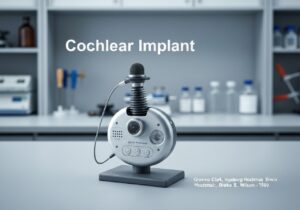
Companies like Medtronic PLC are at the forefront, offering treatments for many medical conditions worldwide. They are making advances in bionics and prosthetics. This includes improved limbs, Cochlear implants, and retinal implants that use new tech.

Potential Impact on Society

These advancements will have a big impact on society. Brain-computer interfaces (BCIs), like ECoG or EEG, are helping people with many conditions. Successful collaborations between experts are key to these technologies.

Ethics and societal impact are also important to consider. Topics like the safety of implant electrodes and privacy are being discussed. Successful cases have already improved many lives. For example, bionic reconstruction after nerve injury and prosthetic arms for arm loss have been transformative.

The table below summarizes some of the key advancements and their impacts:

AdvancementKey Contributorインパクト
BrainGate ImplantMedtronic PLCRestoration of movement for paralytic patients
Visual NeuroprosthesisCochlearVision restoration for the blind
Neural Tissue TransplantationVarious research institutionsSpinal cord injury treatment
NeuroprothesesEkso Bionics, OssurEnhanced prosthetic limb functionality

These future advancements in neural engineering in 2025 are set to break new ground. They bring new hope and possibilities for millions worldwide in both medicine and technology.

Opportunities in Neural Engineering

The field of neural engineering is growing fast. It offers great careers and learning opportunities. Schools and research places are creating new programs for this demand.

Career Prospects and Educational Pathways

Jobs in neural engineering vary widely, from schools to high-tech firms. Now, many colleges offer degrees in neural engineering and related fields. A standout program is at Georgia Tech and Emory University. It blends neuroscience, engineering, and medicine.

It gets support from the NIH and other funding. This mix of studies prepares students for the future.

InstitutionProgramApplication Deadline
University of WashingtonResearch Experience for UndergraduatesJanuary 15, 2025
Georgia TechUndergraduate Research in Engineering/SciencesFebruary 15, 2025
Neuromatch AcademyOpen Science 101 Course該当なし
Georgia Tech & Emory UniversityComputational Neural-Engineering Training ProgramRolling

Opportunities in neural engineering

Funding and Grants

The NIH now gives 50% more support to neural engineering programs. This boost helps Georgia Tech and Emory University grow their program. More students can now get help with fees and gain knowledge and skills.

Other funds come from the National Science Foundation (NSF) and its workshops. These efforts give students a broad and deep education. They’re ready to tackle today’s neural engineering challenges.

The Impact of Neural Engineering in 2025

Neural engineering, as we know it in 2025, has changed our world. It has reshaped healthcare, impacting the economy and how we live. Through advanced biotech, innovative diagnostic tools, and new treatments, it brings major changes.

Healthcare Improvements

Neural engineering has led to huge steps forward in healthcare. One example is how researchers at Michigan State University study early brain development. This research helps spot disorders like autism and ADHD earlier than before.

Research at MSU also found that honeybees can sniff out lung cancer signs in breath. This breakthrough in diagnostics is changing patient care. It allows doctors to find diseases sooner and improve treatment success.

The impact of neural engineering in 2024

Economic and Social Impacts

The economic effects of neural engineering in 2025 are big. This growing sector sparks innovation, creates jobs, and opens new markets. For instance, two MSU Biomedical Engineering students were recognized for their research. This shows the need for more education programs to build a skilled workforce.

Healthcare AdvancementsEconomic Contributions
Improved diagnostic techniques (e.g., honeybee biomarker detection)Job creation and innovation in biomedical sectors
Advanced treatments for neurological disordersMarket opportunities for new medical devices and technologies

Neural engineering’s societal impact has stirred deep ethical discussions. The idea of human enhancement through bioengineering poses serious questions. For example, Rebecca Knickmeyer studies genetics in brain development, highlighting future shifts in how we view neurological conditions.

In summary, neural engineering changes healthcare, economy, and societal norms. As we move forward, balancing tech advancements with ethical concerns is key. We must make sure these innovations are good for everyone.

Challenges and Ethical Considerations

The field of neural engineering is rapidly growing. It faces many challenges and ethical issues. We must solve these problems for the field to move forward responsibly.

Ethical Dilemmas in Neural Engineering

One major ethical consideration in neural engineering is the debate between enhancement and therapy. Devices like brain-computer interfaces can help with conditions like epilepsy, Parkinson’s disease, and loss of communication. But, their use for making people “better than well” brings up issues of privacy and fairness.

There are also concerns about making people all think similarly, being inauthentic, and devaluing achievements. Informed consent is critical to let people know the risks and possible dangers. Past issues with medical devices highlight the need for strict ethical standards.

Technical and Practical Challenges

The challenges in neural engineering go beyond just ethical concerns. Technical issues also stand in the way. Brain-computer interfaces need to record many neurons and need better electrodes and materials to do this well. The complexity of the human nervous system makes creating effective treatments hard.

Our knowledge of the brain is still limited. This makes it tough to improve and fine-tune neural interfaces. Invasive interfaces need surgery, while noninvasive ones use wearable devices. Both have unique challenges that require more research and innovation.

Key Challenges
Ethical DilemmasPrivacy concerns, inequality, informed consent
Technical ChallengesImproving electrode design, recording sufficient neurons
Practical ImplementationIntegration within complex nervous systems

It’s crucial to tackle these challenges and ethical issues as neural engineering grows. This ensures its responsible and sustainable development.

結論

Neural engineering is advancing rapidly as of 2025. It’s creating new chances and tough choices for us. We see big steps forward in tech like neural and brain-computer interfaces, and in treating or replacing parts of the nervous system. Spiking Neural Networks (SNNs) are now competing with Deep Neural Networks (DNNs). They are making waves in space and cars, among others.

This field isn’t just changing health care. It could change our economies and how we live together. New ideas like Meta-SpikePropamine and Chip-In-Loop SNN Proxy Learning show the field’s energy. There’s a growing interest in tech that senses events and in neuromorphic engineering. For these ideas to help society, we need teamwork across fields and smart rules.

Conferences like The Brain and The Chip 2024 was key. They set high standards and share big ideas, shaping the future of neural engineering. The dedication of places like the University Miguel Hernández in Elche is vital. They ensure top-notch education and research in this exciting area. Neural engineering’s future is bright, but it needs us to work together—academics, companies, and governments.

よくある質問

What is the current status of neural engineering research and applications in 2025?

In 2025, neural engineering is leading the way in medical science. It combines bioengineering, brain studies, and digital tech. The goal is to understand and control how the brain works. This area works on fixing nervous system problems and improving how humans and machines interact. It uses new materials science and tiny manufacturing technologies.

How has neural engineering evolved historically?

Neural engineering has grown from simple devices to advanced brain-computer links. It now works to improve and restore human abilities. This is done by turning brain activity into useful actions and back. It uses expertise from computer brain studies, electrical studies, and other fields.

What are the current trends in neural engineering research?

The latest trends in this field include better neural links and computer-brain interfaces, new ways to control brain activity, artificial limbs, and cutting-edge technology in materials and tiny manufacturing. These improvements aim for less invasive, more effective ways to connect with the human brain.

Who are the key companies leading neural engineering in 2025?

Both big companies and new startups are key players in neural engineering. Big firms push forward research on neural links. Startups bring new ideas and get venture capital to make a mark in the sector.

What are the practical applications of neural engineering in 2025?

Neural engineering has many uses, from medical treatments for diseases like Parkinson’s and epilepsy to non-medical purposes. It helps improve how we process information and interact with digital worlds. These uses show its 多用途性 and huge potential.

What future advancements are expected in neural engineering?

Future breakthroughs in neural engineering will change how we interact with technology. Expect better brain-computer interfaces and devices that can adjust brain activity. These will make the line between human thought and machines even fuzzier.

What opportunities exist for careers in neural engineering?

There are many job chances in neural engineering, in academic research, and tech companies focused on learning machines and smart intelligence. Many universities now offer special courses and degrees. They are often supported by grants from big science funds.

How does neural engineering impact healthcare in 2025?

Neural engineering is improving healthcare with better diagnosis and care through advanced biotechnologies and treatments. It’s driving innovation, creating jobs, and opening new markets. But it also brings up big ethical questions about human enhancement.

What are the main challenges and ethical considerations in neural engineering?

This field faces big challenges, including ethical issues about privacy, agreeing to treatment, and the line between making people better and therapy. The complexity of the brain makes finding effective treatments hard. This requires teamwork across many fields and careful rules.

用語集

Brain-Computer Interface (BCI): 脳と外部機器との直接通信を可能にするシステムであり、神経活動を通してテクノロジーを制御することを可能にする。通常、信号の取得、処理、そして補助機器や神経補綴装置などのアプリケーション向けのコマンドへの変換が含まれる。

Computed Tomography (CT): X線とコンピュータ処理を用いて人体の断面画像を生成する医用画像技術であり、内部構造や組織の詳細な可視化を可能にする。2次元データから3次元表現を提供することで、診断能力を向上させる。

Institute of Electrical and Electronics Engineers (IEEE): 電気工学、電子工学、コンピュータ科学、および関連分野における技術の発展を、出版物、会議、標準規格策定などを通じて推進する専門家団体。世界中の専門家や研究者間のイノベーションと協力を促進します。

Magnetic Resonance Imaging (MRI): a medical imaging technique that uses strong magnetic fields and radio waves to generate detailed images of internal body structures, particularly soft tissues, by detecting the signals emitted from hydrogen nuclei in the presence of a magnetic field.

Radiology Information System (RIS): 医療画像データの管理、放射線検査のスケジュール調整、追跡、報告の円滑化、およびワークフローと患者ケアの向上を目的とした他の医療システムとの統合を行うためのソフトウェアシステム。

Robotic Process Automation (RPA): ソフトウェアロボットを用いてビジネスプロセスにおける反復的でルールに基づいたタスクを自動化する技術であり、デジタルシステムと人間のやり取りを模倣することで、効率性、精度、生産性の向上を可能にする。

Spiking Neural Network (SNN): 生物学的ニューラルネットワークを模倣し、離散的なスパイクまたは活動電位を通して情報を処理する計算モデルであり、時間的符号化とイベント駆動型処理を可能にする。SNNはニューロモルフィックコンピューティングで使用され、時間依存データから学習できる能力が特徴である。

取り上げるトピック: 神経工学、バイオテクノロジー、脳コンピュータインターフェース(BCI)、神経調節、神経補綴、神経組織工学、神経画像処理、ニューロボティクス、人工知能、機械学習、非侵襲的BCI、深部脳刺激、信号抽出、ロボットデバイス、神経修復、CRISPR-Cas9、ヘルスケアの進歩、ISO 13485、IEC 60601、ISO/IEC 27001、ISO 14971、およびIEEE 11073。

歴史的背景

1960
1965
1970
1980
1980
1990
1960
1960
1969
1976-05-28
1980
1990

(日付が不明または関連性がない場合、例えば「流体力学」などでは、その注目すべき出現時期の概算値が提示されます。)

フルサイズの画像とダウンロードは、登録会員のみが100%無料で利用できます。