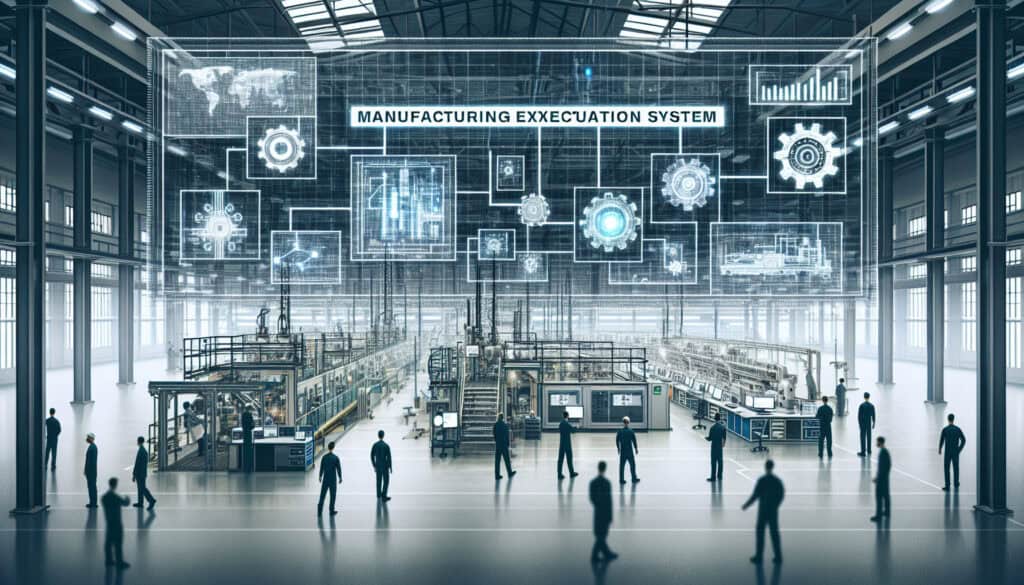
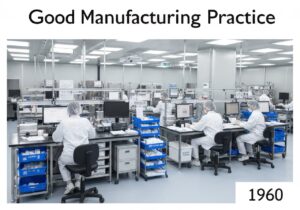
Manufacturing Execution Systems (MES) find extensive application across various industries such as automotive, pharmaceuticals, food and beverage, and electronics, where real-time data management is paramount for operational success. An MES is particularly useful during the production phase, as it provides capabilities for scheduling, dispatching, tracking work in progress, and managing inventory, thus facilitating a seamless connection between the manufacturing process and enterprise resource planning (ERP) systems. Key participants in MES deployment typically include production managers, process engineers, IT specialists, and quality assurance teams, who work collaboratively to ensure the system is configured to meet specific production needs and regulatory requirements. The implementation of MES encourages data-driven decision-making by delivering insights on equipment performance, production throughput, and labor efficiency, which can lead to significant improvements in operational workflows. By offering a consolidated view of production data, MES systems aid organizations in reducing downtime through timely maintenance and quality discrepancies, allowing teams to respond to issues as they arise. In the pharmaceutical industry, MES ensures compliance with strict regulations by documenting every stage of production, thereby enhancing product traceability and accountability. Such systems integrate with other technologies, including the Internet of Things (IoT) and advanced analytics, to create a more responsive manufacturing environment, leading to realized cost savings and improved customer satisfaction.
该方法的关键步骤
专业提示
阅读和比较几种方法、 我们建议
> 广泛的方法论资料库 <
以及其他 400 多种方法。
欢迎您就此方法发表评论或提供更多信息,请登录 下面的评论区 ↓ ,因此任何与工程相关的想法或链接都是如此。