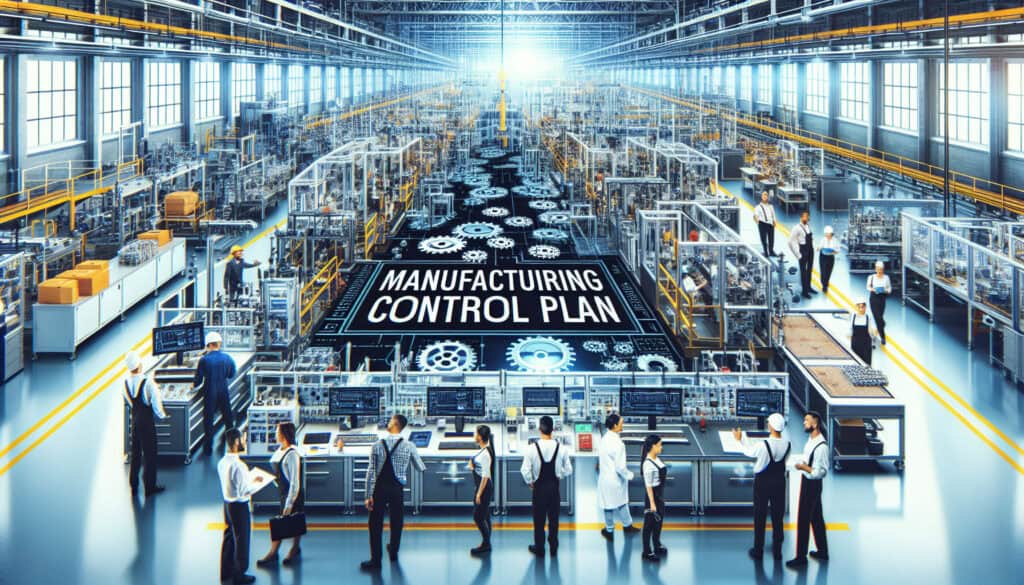
制造控制计划在汽车、航空航天、消费电子和医疗器械等行业尤为重要,因为这些行业对精度和遵守严格的监管标准要求极高。该方法广泛应用于生产阶段,能够清晰记录可衡量的行动,从而在制造的各个阶段进行系统评估。参与者通常包括: 质量保证 团队、工艺工程师、生产主管和操作人员共同 从事 in developing and executing the plan to align manufacturing outputs with predefined specifications. For example, in automotive manufacturing, a Manufacturing Control Plan may outline specific inspection criteria for components such as engines and safety systems to ensure they meet safety regulations and customer expectations. Regular audits and reviews of the plan facilitate continuous 流程改进, enabling organizations to identify and mitigate potential issues proactively. By detailing quality checks, measurement tools, and verification processes, the plan supports standardization in operations, reduces variability, and ultimately leads to enhanced customer satisfaction through reliable product performance. The structured approach also encourages collaboration across departments, as everyone involved understands their specific responsibilities and the overall quality goals of the manufacturing process.