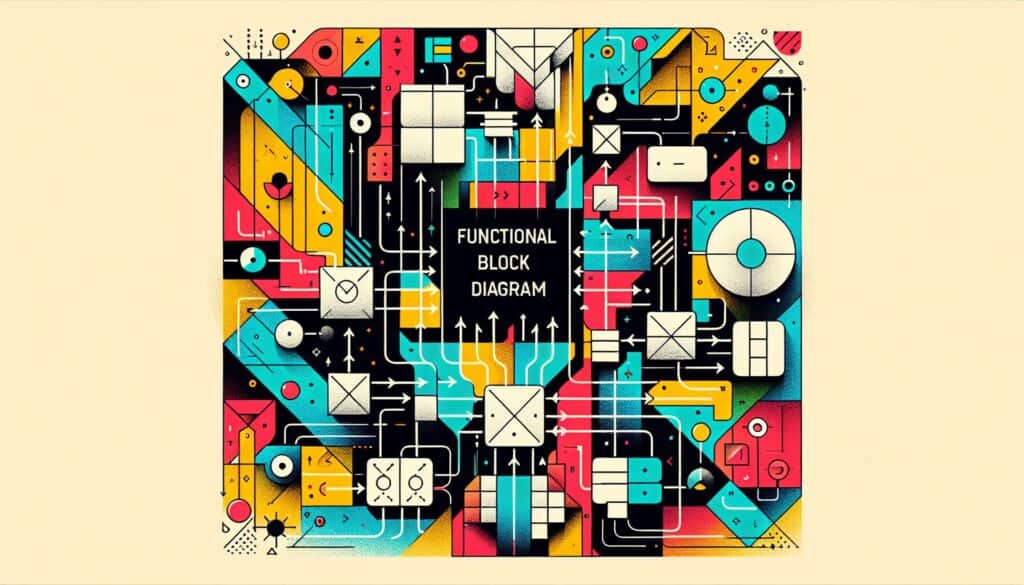
In product design and engineering, the Functional Block Diagram (FBD) methodology is widely utilized during the conceptual and planning phases of projects in various industries such as automotive, aerospace, consumer electronics, and biomedical devices. It serves as a foundational tool for system architects and engineers to visually map out functions and their interactions, allowing teams to assess requirements and identify potential bottlenecks early in the design process. The initiation of an FBD can typically come from system engineers or project managers who aim to align team members on the project’s objectives and functionalities. Participants may include cross-disciplinary teams consisting of designers, software developers, and quality assurance professionals, who collectively contribute to refining the functions represented in the diagram. Beyond mere representation, FBDs are instrumental during design reviews and stakeholder presentations, providing a clear visualization that can be easily communicated to non-technical audiences, thus facilitating informed decision-making. The methodology accommodates iterative feedback, enabling teams to revisit and adjust functions as new insights emerge or project requirements evolve, supporting a flexible approach to system design. The simplicity of FBDs allows for quick adjustments, ensuring that as subsequent prototypes are developed, the design remains aligned with user needs and functional specifications.
该方法的关键步骤
确定该系统的主要功能。
明确已识别功能之间的关系和相互作用。
为每个功能创建模块,并绘制线条来表示接口。
通过确保清晰度并纠正任何歧义来完善图表。
与利益相关者核实图表,确保其符合系统要求。
根据反馈和系统需求的变化,对图表进行迭代修改。
专业提示
在功能框图中加入反馈回路,以说明迭代过程并帮助在开发早期识别依赖关系。
Utilize color coding or distinct shapes for blocks to differentiate between various categories of functions, improving clarity and quick comprehension during presentations.