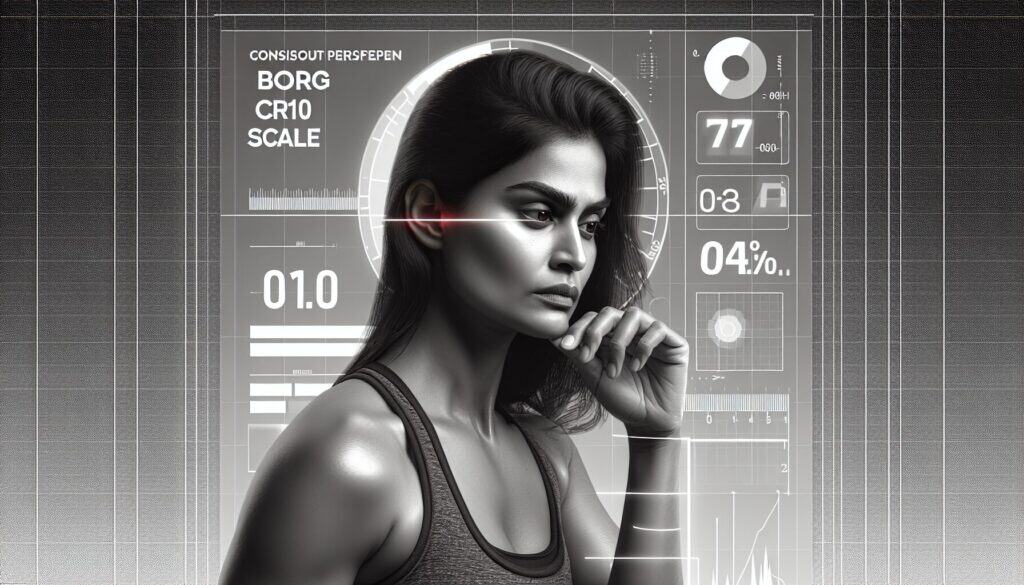
The BORG CR10 Scale, widely employed in various fields such as sports science, rehabilitation, and occupational health, serves as an effective tool for assessing perceived exertion levels during physical tasks, allowing designers and engineers to create more human-centered products and systems. In industries like fitness and ergonomics, this methodology can be utilized to evaluate equipment design or work environments by collecting subjective feedback from users about their physical strain while using certain tools or executing specific tasks. This approach is particularly beneficial in phases of iterative design when testing prototypes, as it allows users to provide immediate impressions of how physically taxing a design may be. Stakeholders like product developers, user experience researchers, and health professionals typically engage in this process, using participants from diverse demographics to gather comprehensive data that reflects varied interpretations of effort, thereby enhancing product usability and comfort. The scale proves valuable even in educational contexts, where instructors can measure students’ exertion levels during physical activities, facilitating the creation of tailored curriculums that respect individual capabilities and improve engagement. Such applications reflect an integration of subjective assessments with physical activity guidelines, thereby optimizing safety and performance in diverse environments.