التحسين المستمر, بيئة العمل, العوامل البشرية, التصميم المرتكز على الإنسان, تتبع الأداء, تحسين العمليات, إدارة الجودة, سهولة الاستخدام, تجربة المستخدم (UX)
الهدف:
understanding of the electrophysiology of cardiac arrhythmias
كيفية استخدامه:
prevention of sudden cardiac death in high-risk patients
الايجابيات
treatment for survivors of cardiac arrest due to ventricular fibrillation
سلبيات
management of certain congenital heart conditions
الفئات:
بيئة العمل
الأفضل لـ:
therapy for patients with advanced heart failure and low ejection fraction
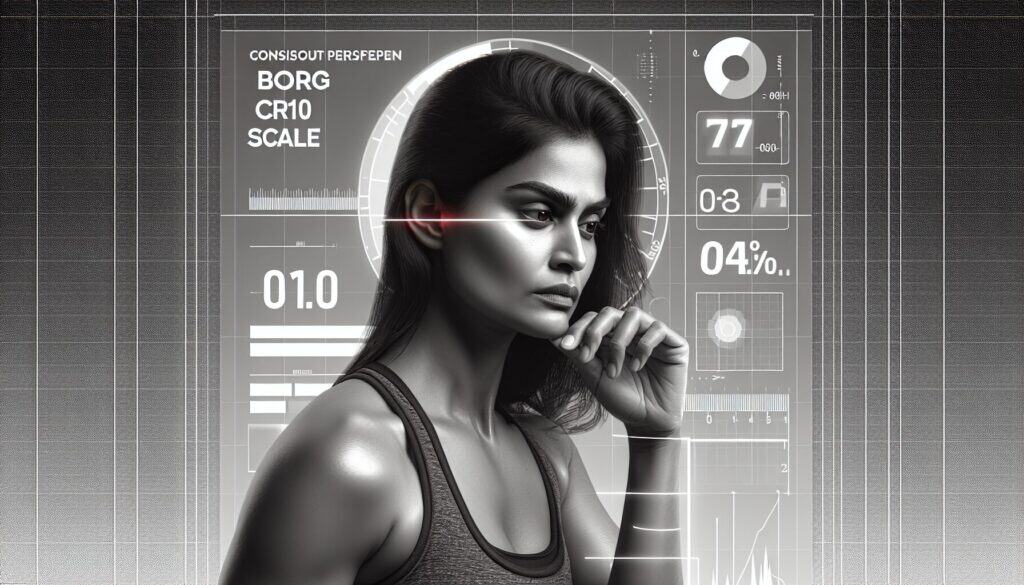
The BORG CR10 Scale, widely employed in various fields such as sports science, rehabilitation, and occupational health, serves as an effective tool for assessing perceived exertion levels during physical tasks, allowing designers and engineers to create more human-centered products and systems. In industries like fitness and ergonomics, this methodology can be utilized to evaluate equipment design or work environments by collecting subjective feedback from users about their physical strain while using certain tools or executing specific tasks. This approach is particularly beneficial in phases of iterative design when testing prototypes, as it allows users to provide immediate impressions of how physically taxing a design may be. Stakeholders like product developers, user experience researchers, and health professionals typically engage in this process, using participants from diverse demographics to gather comprehensive data that reflects varied interpretations of effort, thereby enhancing product usability and comfort. The scale proves valuable even in educational contexts, where instructors can measure students’ exertion levels during physical activities, facilitating the creation of tailored curriculums that respect individual capabilities and improve engagement. Such applications reflect an integration of subjective assessments with physical activity guidelines, thereby optimizing safety and performance in diverse environments.
الخطوات الرئيسية لهذه المنهجية
قم بتوجيه الشخص لأداء مهمة بدنية أو تمرين محدد.
في نهاية المهمة، اطلب من الفرد تقييم الجهد الذي شعر به باستخدام مقياس بورغ CR10.
تأكد من أن الشخص يفهم تعريفات المقياس والنقاط اللازمة للتقييم الدقيق.
سجل التقييم المعطى لمزيد من التحليل.
شجع الفرد على التفكير في مشاعره تجاه الجهد المبذول في ضوء تجاربه السابقة.
نصائح للمحترفين
استخدم مقياس BORG CR10 بالاشتراك مع البيانات البيومترية في الوقت الفعلي للتحقق المتبادل من الجهد المتصور مقابل الاستجابة الفسيولوجية الفعلية لتحسين الدقة في تحليل المهام.
قم بتطبيق اختبار تكراري باستخدام مقياس BORG CR10 في نماذج التصميم الأولية لتحسين الميزات المريحة بناءً على ملاحظات المستخدم ومستويات الجهد الذاتي أثناء سيناريوهات الاستخدام النموذجية.
قم بإدراج جلسات تدريبية لتعريف المشاركين بمقياس BORG CR10 من أجل التوحيد القياسي، مما يضمن جمع البيانات بشكل متسق عبر مختلف التركيبات السكانية للمستخدمين والإعدادات.