Developing new products and services in a flexible and user-centered way.
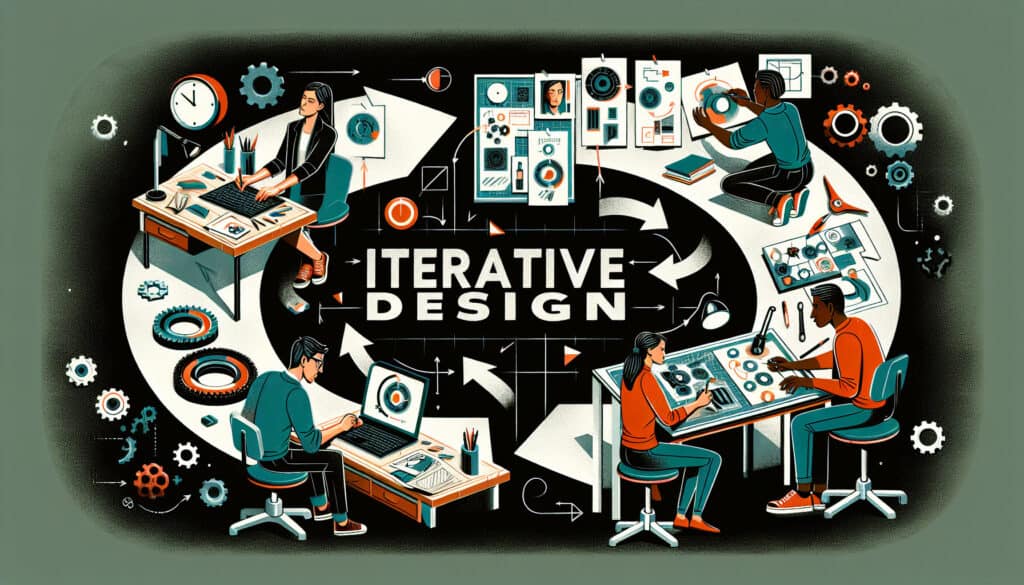
Iterative Design is particularly beneficial in industries such as consumer electronics, automotive, software development, and healthcare, where rapid technological advancements and user preferences are constantly evolving. This methodology is typically employed during the product development phase, where designers and engineers collaborate with end-users to create multiple versions of a product, each refined based on user feedback, usability studies, and testing results. By initiating this process, cross-functional teams including designers, product managers, engineers, and marketing representatives engage in brainstorming sessions that encourage creative solutions to user problems. For example, in software development, beta testing phases are a form of Iterative Design where software can undergo multiple rounds of revisions based on user interactions, ultimately leading to a more polished final product. In the consumer electronics sector, companies like Apple and Samsung often release prototypes to small user groups to gather detailed feedback on design, functionality, and user experience before launching the final version. This approach not only accelerates innovation but also minimizes the risk of market failure since real user expectations and experiences are considered in each iteration, allowing teams to pivot quickly in response to feedback without substantial resource investment in a single untested design.
该方法的关键步骤
根据利益相关者的意见,明确用户需求和要求。
绘制满足用户需求的初步设计概念草图。
创建低保真原型以可视化概念。
对目标用户进行原型可用性测试。
收集用户反馈并找出需要改进的地方。
根据反馈和建议改进设计。
开发包含修改内容的高保真原型。
使用更新后的原型重复进行可用性测试。
持续迭代,直到用户满意度和设计目标得到满足。
专业提示
Incorporate user personas into your prototypes to address specific needs and preferences of different user segments.