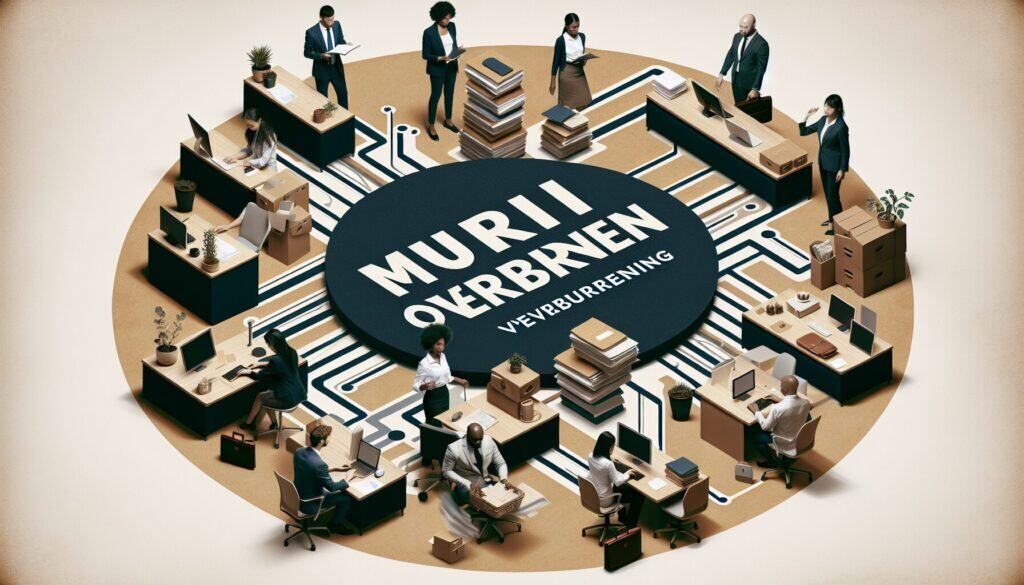
Muri, or the concept of overburden, finds its application across various industries such as manufacturing, healthcare, and construction, where excessive workload can lead to operational inefficiencies. The methodology is particularly beneficial in the project phases involving work design and system implementation, facilitating a comprehensive evaluation of existing job structures and identifying areas prone to overburden. It is frequently initiated by team leaders and project managers but ideally involves cross-functional collaboration among engineers, safety officers, and human resources specialists to ensure a holistic approach. Ergonomic assessments play a pivotal role in this methodology, allowing for the redesign of workstations and processes to accommodate human capabilities and limitations, which is crucial in minimizing the physical strain on workers. Training programs focused on efficient work practices, safety protocols, and stress management can be developed as part of Muri implementation, further enhancing employee morale. In sectors such as healthcare, where worker fatigue can critically affect patient care, the adoption of Muri often leads to improved job satisfaction and reduced turnover rates. By mitigating strain on both personnel and machinery, organizations can expect a decrease in equipment malfunctions and product defects, thereby bolstering quality control efforts. This enhances sustainability as businesses operate more efficiently and reduce waste, contributing positively to their long-term goals. Ultimately, engaging in Muri not only promotes a safer work environment but also aligns with lean manufacturing principles that prioritize value creation while minimizing unnecessary resource consumption.
该方法的关键步骤
找出导致工作负担过重的任务,并分析其对资源的影响。
重新设计工作流程,消除不必要的步骤,减少工作量。
实施人体工程学评估,以最大限度地减少工人的身体疲劳。
规范工作流程,确保一致性,最大限度地减少差异。
提供针对性培训,以提高技能和任务执行效率。
定期监测工作环境,观察是否存在工作负荷过重的迹象,并根据需要进行调整。
鼓励员工就工作量和运营挑战提出反馈意见。
专业提示
实施实时监控系统,以评估工作量和压力水平,动态调整任务以防止工作负担过重。
Develop cross-training programs that enhance skill versatility, enabling employees to shift tasks without excess strain or downtime.