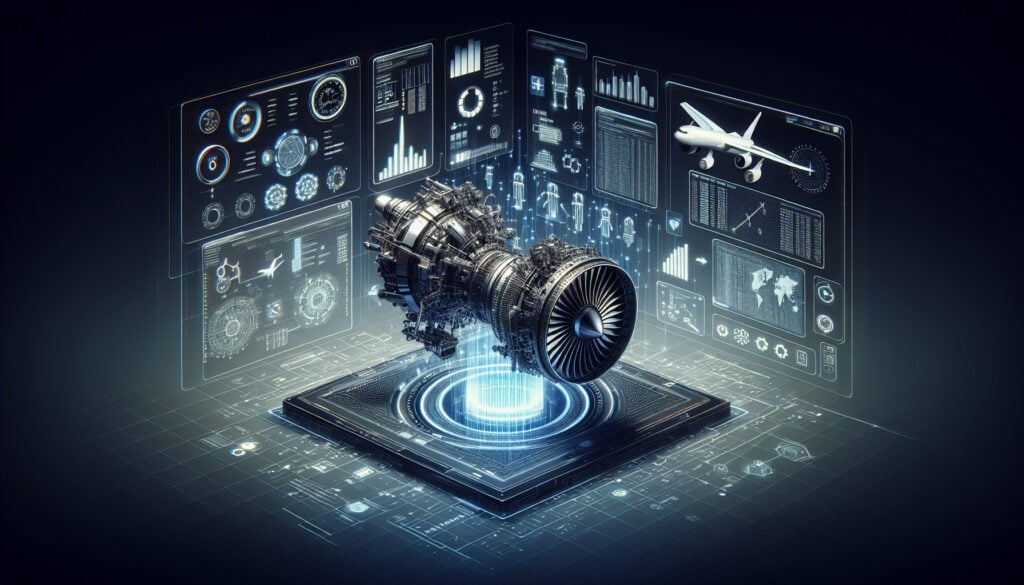
A digital twin is continuously updated with data from sensors on the physical object. This allows for simulation, monitoring, analysis, and optimization of the physical asset without disrupting real-world operations.
Digital Twin technology is employed across various sectors, including manufacturing, healthcare, automotive, and smart cities, where it facilitates the management of physical assets by creating an accurate virtual representation that mirrors real-time conditions and operational performance. In manufacturing, for instance, a digital twin of a production line allows for detailed analysis of workflow inefficiencies, enabling manufacturers to optimize their processes and enhance productivity while minimizing waste. In the automotive industry, digital twins are utilized in the development and maintenance of vehicles; by simulating various driving conditions and scenarios, engineers can predict how components will perform over time, which aids in improving design and safety features. Healthcare applications often involve creating digital twins of patients, integrating data from wearable devices and health records to refine treatment plans and enhance personalized medicine. The construction sector benefits from digital twins in managing the lifecycle of buildings; they can track the ongoing performance of infrastructure, planning maintenance and upgrades proactively. This methodology typically involves collaboration among diverse teams, including engineers, data analysts, and domain experts, ensuring that the digital twin is accurately reflective of the physical entity. Furthermore, stakeholders at various project stages—from conceptual design through production and maintenance—can initiate or participate in the creation and refinement of digital twins, leveraging them for simulations and scenario analysis to drive better outcomes without interfering with the actual operations of the physical assets.
该方法的关键步骤
根据实物资产的规格和设计数据,开发实物资产的数字表示法。
将来自物理资产传感器的实时数据流整合到数字孪生模型中。
实施数据处理和分析算法,从综合数据中获得有意义的见解。
利用数字孪生中的模拟工具,测试各种运行方案并预测结果。
通过数字孪生系统监控实物资产的性能,发现异常和低效情况。
根据模拟反馈和实际性能数据,对数字孪生模型进行迭代优化。
根据数字孪生生成的预测分析结果,启用预测性维护调度。
通过向利益相关者展示实时数据和预测方案,为决策提供便利。
专业提示
整合先进的异常检测机器学习算法,改进预测分析和维护调度。
Establish a robust data governance framework ensuring data accuracy and cybersecurity in sensor communications and digital twin updates.