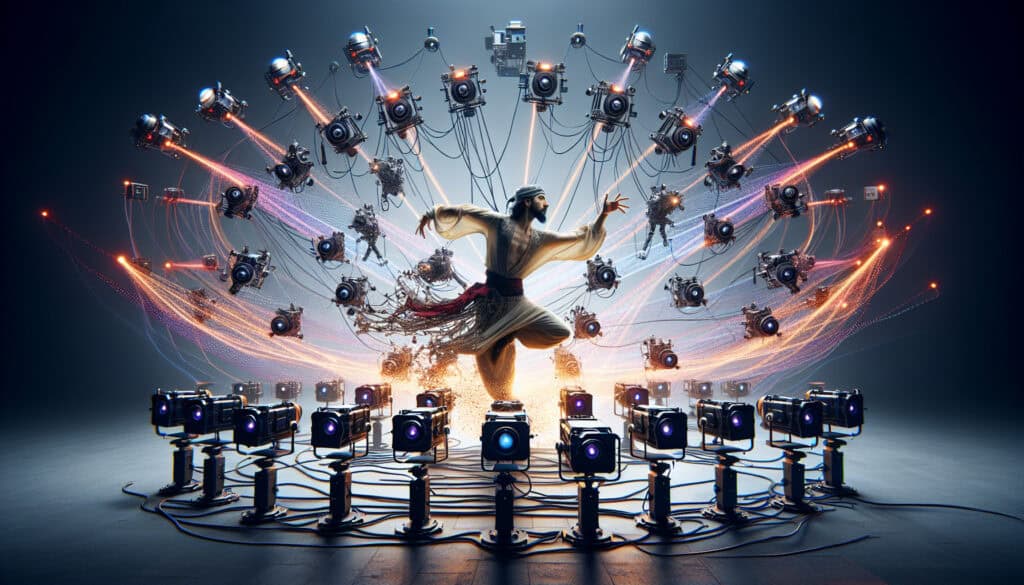
Motion capture systems serve numerous industries including 电影, video games, virtual reality, biomechanics, rehabilitation, and human-computer interaction. In the entertainment sector, the technology facilitates the creation of lifelike animations and characters in movies and video games, enabling filmmakers and game developers to translate real human movements into digital formats. In sports science, motion capture is used to analyze athletes’ performance by capturing their biomechanics, which helps coaches and trainers refine techniques and reduce injury risks. Healthcare professionals employ motion capture to evaluate patients’ movement patterns for rehabilitation purposes, analyzing how they can optimize their recovery through tailored physical therapy programs. Engineers leverage this technology when designing ergonomic products, ensuring that tools, workstations, and even vehicles enhance user comfort while minimizing strain and injury. The process typically involves collaboration among animators, biomechanical analysts, therapists, and product designers who gather data through cameras and sensors placed on subjects, translating it into actionable insights that drive innovation across these fields. Its ability to provide precise data enables continuous improvement through 迭代设计因此,对于希望提升用户体验或绩效成果的团队来说,这是一种很有价值的方法。