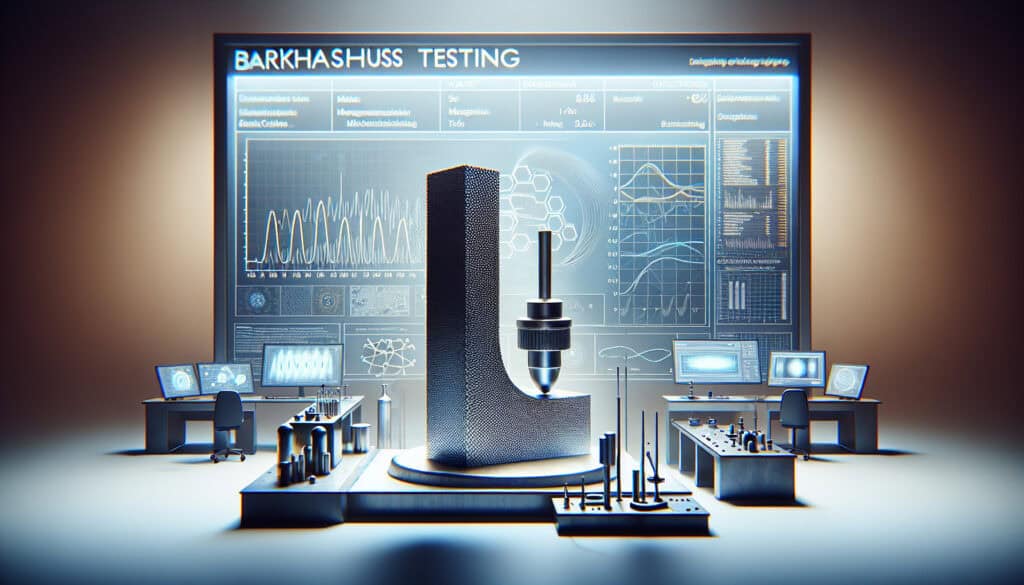
Barkhausen Testing, rooted in the principles of magnetization changes within ferromagnetic materials, finds extensive applications across industries such as aerospace, automotive, and manufacturing, where the integrity of components is paramount. This methodology is particularly suited for the evaluation of fatigue and residual stress in critical parts like gears, shafts, and structural components, often employed during the quality assurance phase of production or during maintenance inspections. It is commonly initiated by materials engineers or quality assurance specialists who seek to assess the
机械性能 or performance history of a component without compromising its usability. The participation of cross-functional teams, including design engineers and metallurgists, can enhance the effectiveness of the testing process, as they provide context on the material properties and intended applications. Barkhausen Testing can also serve as a valuable tool in
研究与开发 settings, allowing for advanced analysis of new materials and enabling
迭代设计 processes. This method is compatible with various testing environments, including in-situ examinations and laboratory investigations, providing flexibility in how and where assessments are conducted. The sensitivity of Barkhausen noise measurements to microstructural changes offers an avenue for predictive maintenance strategies, as shifts in material conditions can be monitored over time, leading to more proactive approaches in asset management.