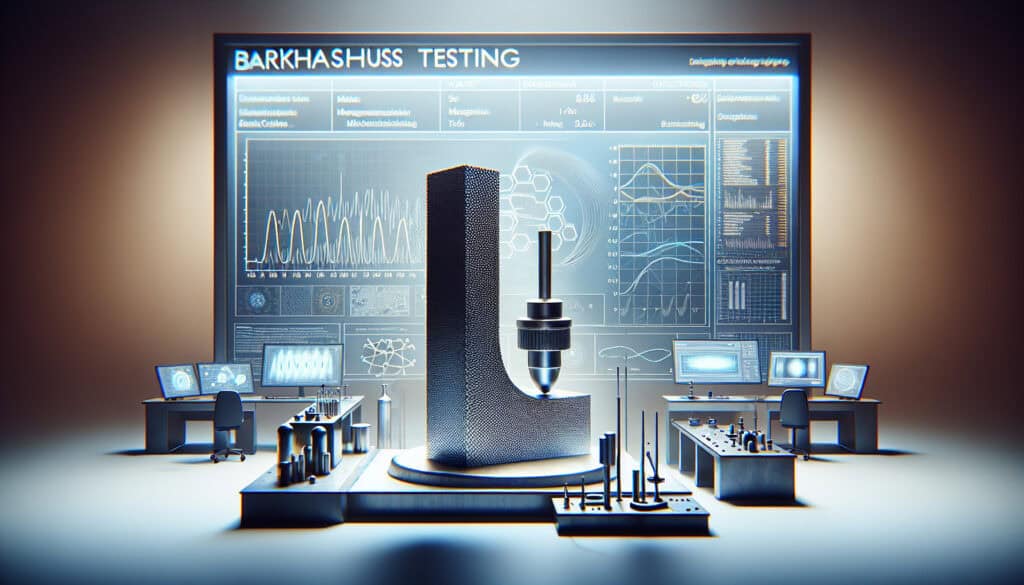
Barkhausen Testing, rooted in the principles of magnetization changes within ferromagnetic materials, finds extensive applications across industries such as aerospace, automotive, and manufacturing, where the integrity of components is paramount. This methodology is particularly suited for the evaluation of fatigue and residual stress in critical parts like gears, shafts, and structural components, often employed during the quality assurance phase of production or during maintenance inspections. It is commonly initiated by materials engineers or quality assurance specialists who seek to assess the
기계적 특성 or performance history of a component without compromising its usability. The participation of cross-functional teams, including design engineers and metallurgists, can enhance the effectiveness of the testing process, as they provide context on the material properties and intended applications. Barkhausen Testing can also serve as a valuable tool in
research and development settings, allowing for advanced analysis of new materials and enabling
반복적인 디자인 processes. This method is compatible with various testing environments, including in-situ examinations and laboratory investigations, providing flexibility in how and where assessments are conducted. The sensitivity of Barkhausen noise measurements to microstructural changes offers an avenue for predictive maintenance strategies, as shifts in material conditions can be monitored over time, leading to more proactive approaches in asset management.
여러 방법론을 읽고 비교하기 위해, 저희는 다음을 추천합니다
> 광범위한 방법론 저장소 <
400가지가 넘는 다른 방법론들과 함께.
이 방법론에 대한 의견이나 추가 정보는 언제든지 환영합니다. 아래 댓글란 ↓ , 엔지니어링 관련 아이디어나 링크도 마찬가지입니다.