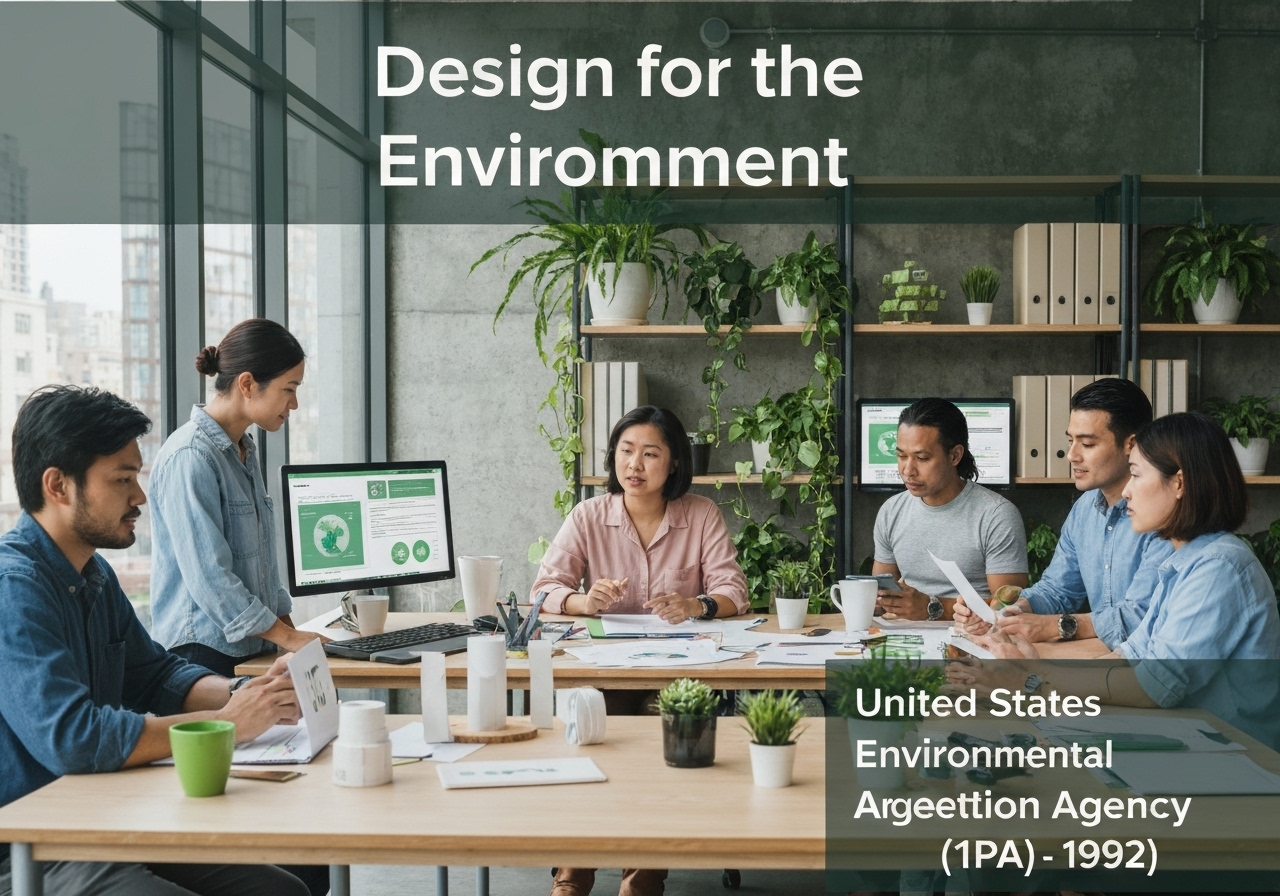
环境设计(DfE),也称为 生态设计, is a proactive approach to product and process development that minimizes environmental and human health impacts across the entire 产品生命周期它将环境因素融入到最早的设计阶段,与成本和性能等传统因素一起考虑,从一开始就防止污染和节约资源。

(图片仅供参考)
环境设计(DfE),也称为 生态设计, is a proactive approach to product and process development that minimizes environmental and human health impacts across the entire 产品生命周期它将环境因素融入到最早的设计阶段,与成本和性能等传统因素一起考虑,从一开始就防止污染和节约资源。

DfE emerged from the realization that end-of-pipe pollution controls were inefficient and costly. Instead of treating waste after its creation, DfE focuses on prevention by making smarter choices during design. This holistic approach employs life-cycle thinking, evaluating everything from raw material extraction (‘cradle’) to manufacturing, use, and final disposal (‘grave’). Key principles include selecting low-impact, non-toxic, and recycled materials; minimizing overall material and energy usage during production and operation; and designing for longevity, repairability, and disassembly. By considering a product’s end-of-life at its beginning, DfE facilitates recycling, remanufacturing, and safe decomposition, forming a cornerstone of the circular economy. The novelty of DfE was its fundamental shift from a reactive to a proactive and systemic view of environmental protection within industry, embedding sustainability as a core criterion of innovation and quality, rather than an afterthought or a regulatory burden. It transformed environmental management from a compliance issue into a strategic business opportunity.
环境设计(DfE)
(如果日期未知或不相关,例如“流体力学”,则提供其显著出现的近似估计)
只有注册会员才能免费获得 100% 的全尺寸图片和下载。.
> 登录 <