지속적인 개선, Just-in-Time (JIT), Kanban, 린 제조, 프로세스 개선, 생산 효율성, 공급망, 가치 흐름 맵핑, 폐기물 제거 전략
목적:
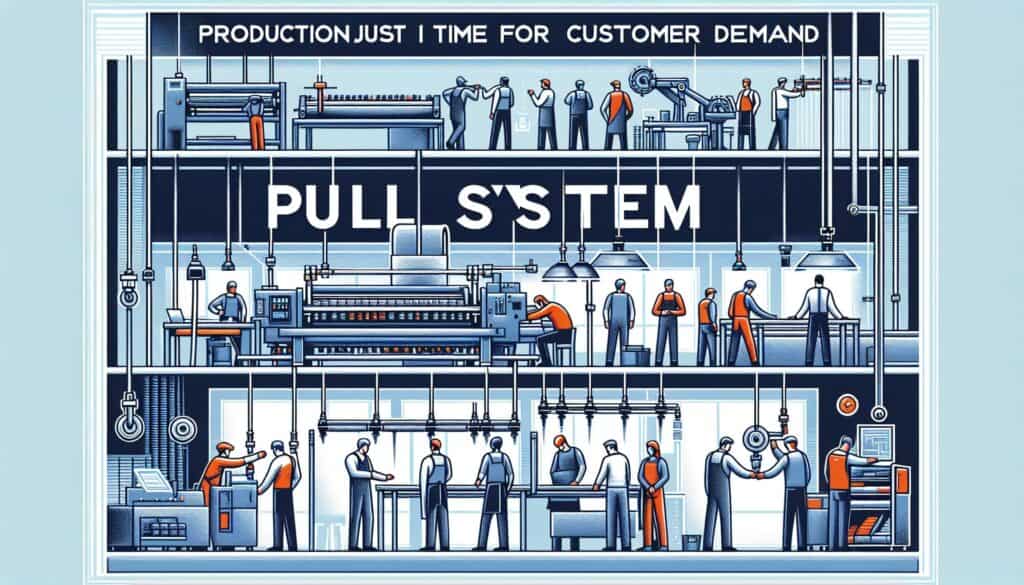
공정의 다음 단계 또는 고객의 요구에 따라 필요한 경우에만 제품을 생산하여 과잉 생산 및 재고를 최소화합니다.
사용 방법:
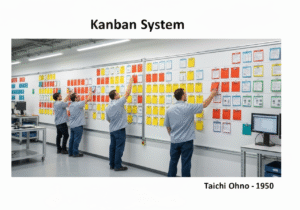
에이 린 제조 principle where downstream activities signal their needs to upstream activities. Work is "pulled" through the system based on actual demand, often using tools like Kanban 카드.
장점
낭비(특히 과잉 생산 및 재고)를 줄이고, 흐름 효율성과 대응력을 향상시키며, 보관 비용을 절감하고, 적시 배송을 통해 고객 만족도를 높입니다.
단점
최적의 성과를 위해서는 신뢰할 수 있는 공급업체와 안정적인 수요가 필요합니다. 복잡한 공급망이나 수요 변동성이 큰 환경에서는 구현하기 어려울 수 있습니다. 체계적인 실행과 원활한 소통이 요구됩니다.
카테고리:
린 시그마, 조작
다음과 같은 경우에 가장 적합합니다:
실제 고객 수요에 따라 소비된 만큼만 보충함으로써 생산 공정에서 자원의 흐름을 제어하는 것.
The Pull System methodology is prominently utilized in various industries such as automotive, electronics, and consumer goods, where customer demands fluctuate and need accurate synchronization with production processes. This approach is particularly effective during the production phase where ongoing assessment of consumer need dictates the pace of manufacturing, thereby facilitating a more agile response to market changes. Participants in this methodology typically include cross-functional teams that engage in transparent communication, allowing for real-time data sharing and decision-making based on actual consumption rather than forecasts. For example, in the automotive industry, manufacturers often employ Kanban boards to visualize workflow and inventory status, ensuring that components are replenished as they are used, thereby minimizing excess stock and associated carrying costs. By encouraging workers on the assembly line to signal when parts are needed, organizations can ensure that they are only producing what is required by the next step in the process. This not only enhances operational efficiency but also contributes to a culture of continuous improvement where feedback loops inform adjustments in production strategy. Tools such as 가치 흐름 매핑 often accompany the Pull System to identify and eliminate waste, fostering an environment of continuous refinement. Such methodologies have been integral in enhancing customer satisfaction by optimizing lead times and increasing product availability without the burden of overproduction.
이 방법론의 주요 단계
고객 피드백을 바탕으로 최종 제품과 그에 필요한 요구사항을 파악합니다.
가치 흐름을 매핑하여 프로세스를 시각화하고 낭비적인 관행을 파악합니다.
칸반 카드와 같은 풀 시그널을 정의하여 제품을 생산하거나 이동해야 하는 시점을 나타내십시오.
수요에 따라 생산량을 조절하는 시스템을 구축하여 수요 신호에 반응하도록 하십시오.
진행 중인 작업(WIP)에 대한 한도를 설정하여 흐름 제어 및 효율성을 향상시키십시오.
고객의 실제 요구사항에 맞춰 프로세스를 지속적으로 검토하고 개선합니다.
모든 팀원에게 풀 시스템 원칙과 적용 방법에 대해 교육하십시오.
상류 및 하류 프로세스 간의 적극적인 소통과 피드백을 장려합니다.
프로 팁
진행 중인 작업에 대한 가시성을 높이고 실시간 상태 업데이트를 제공하여 의사 결정을 개선할 수 있도록 강력한 시각적 관리 기법을 구현하십시오.
리드 타임과 사이클 타임을 정기적으로 분석하여 병목 현상을 파악하고 최적의 성능을 위해 풀 시스템을 지속적으로 개선합니다.
생산과 수요 신호 간의 조화를 보장하기 위해 부서 간 협업을 장려하여 대응력과 민첩성을 향상시킵니다.