지속적인 개선, 린 제조, Lean Production, 유지, 종합 설비 효율(OEE), 프로세스 개선, 생산력, 품질 관리, 안전
목적:
모든 직원이 장비 유지보수에 참여하는 적극적이고 총체적인 접근 방식을 통해 거의 완벽한 생산(고장 없음, 짧은 정지 또는 저속 운전 없음, 결함 없음, 사고 없음)을 달성합니다.
사용 방법:
기계, 장비, 공정 및 직원을 통해 생산 및 품질 시스템의 무결성을 유지하고 개선하여 조직에 사업적 가치를 더하는 시스템입니다. 특히 운영자가 장비를 유지 관리할 수 있도록 권한을 부여하는 것(자율 유지 보수)을 강조합니다.
장점
설비 효율(OEE) 및 신뢰성을 향상시키고, 가동 중지 시간과 유지 보수 비용을 절감하며, 안전 및 제품 품질을 개선하고, 직원 참여도와 사기를 증진시킵니다.
단점
상당한 문화적 변화와 장기적인 노력이 필요하며, 완전한 구현에는 비용과 시간이 많이 소요될 수 있고, 운영자와 유지보수 직원에 대한 광범위한 교육이 필요합니다.
카테고리:
공학, 인사부, 린 시그마, 조작, 품질
다음과 같은 경우에 가장 적합합니다:
Maximizing equipment effectiveness and 수명 through a comprehensive, proactive maintenance strategy involving all employees.
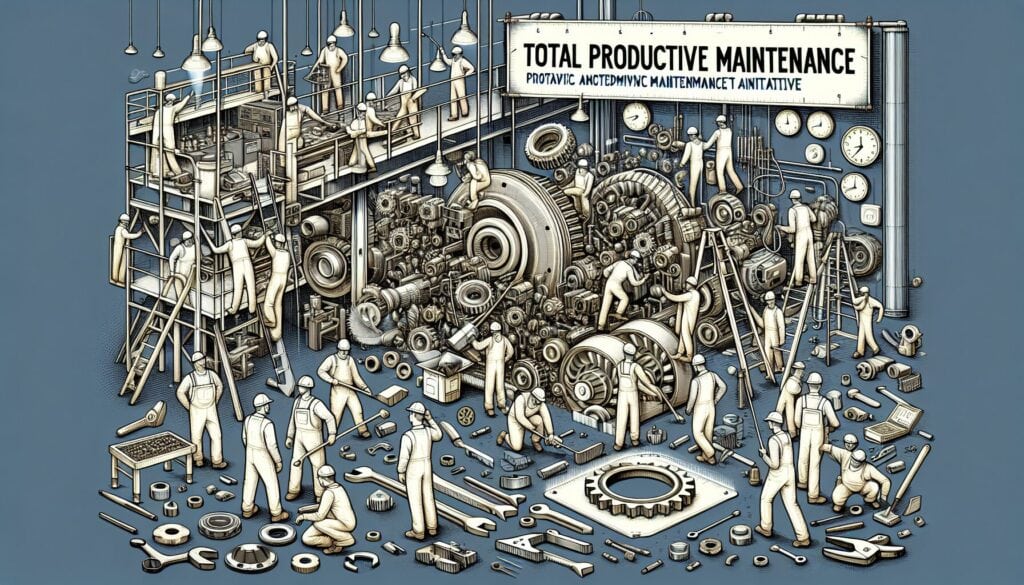
전체 생산 유지보수 (TPM) is widely applicable across various industries, particularly in manufacturing, automotive, and food processing, where equipment uptime is essential for maintaining production efficiency and quality. In the context of project phases, TPM can be integrated during the design and development stages, where input from operators can lead to more maintainable equipment designs that enhance operational performance. It often involves cross-functional teams that include maintenance personnel, production staff, and quality control experts who collaborate to identify areas of improvement and implement preventative measures. Initiated by management, TPM relies on the involvement of all employees, encouraging them to take ownership of the machines they operate, which builds a culture of continuous improvement and problem-solving. For instance, in the automotive industry, adopting TPM principles has led to significant reductions in equipment failure and unplanned downtime, enabling companies to improve their Overall Equipment Effectiveness (OEE) by closely monitoring the performance metrics and making data-driven decisions. Employees who participate in TPM initiatives also report increased job satisfaction and sense of ownership, translating into improved morale and productivity. This methodology not only targets maintenance tasks but focuses on a holistic approach to enhance process capabilities, ensuring that organizations can quickly adapt to changes in demand or production methods while maintaining high safety and quality standards.
이 방법론의 주요 단계
초기 장비 평가를 실시하여 현재 상태와 유지보수 필요 사항을 파악합니다.
운영자가 일상적인 점검과 간단한 수리를 수행할 수 있도록 교육하여 자율 유지 보수를 구현하십시오.
예방 및 예측 유지보수 작업을 위한 정기적인 유지보수 일정을 수립하십시오.
일관된 성능을 보장하고 변동성을 줄이기 위해 운영 절차를 표준화하십시오.
TPM 원칙을 일상 업무 프로세스에 통합하여 지속적인 개선을 도모하십시오.
고장의 근본 원인을 분석하고 재발 방지를 위한 시정 조치를 시행하십시오.
TPM 활동에 모든 직원을 참여시켜 공동 책임 문화를 조성하십시오.
시각적 관리 도구를 활용하여 유지보수 진행 상황과 장비 상태를 추적하십시오.
프로 팁
장비 고장의 초기 징후를 인식할 수 있도록 운영자를 위한 체계적인 교육 프로그램을 시행하여 조기 개입 및 예방 조치를 강화합니다.
데이터 분석을 활용하여 실시간 모니터링을 실시하고, 예측 유지보수 및 최적화된 일정 관리를 통해 운영 중단을 최소화하십시오.
다양한 의견과 혁신적인 해결책을 통해 지속적인 개선을 도모할 수 있도록, 여러 부서가 협력하는 팀을 구성하여 장비 성능을 평가하고 분석하도록 장려합니다.