Product Design, Manufacturing & Innovation Resources

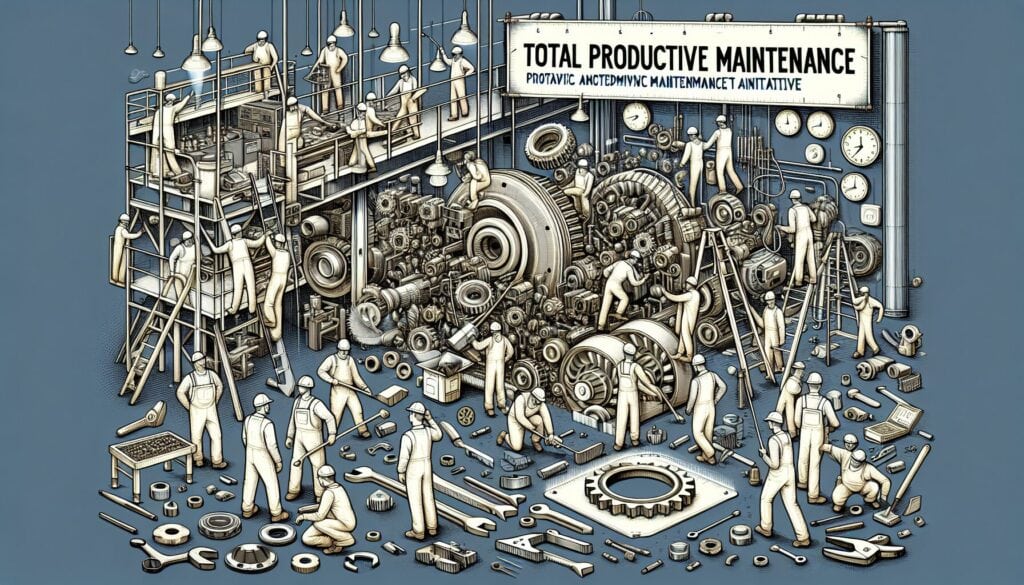
Total Productive Maintenance (TPM)

الصيانة الإنتاجية الشاملة

Total Productive Maintenance (TPM)

Objective:

لتحقيق إنتاج شبه مثالي (بدون أعطال، بدون توقفات صغيرة أو تشغيل بطيء، بدون عيوب، وبدون حوادث) من خلال نهج استباقي وشامل يشمل جميع الموظفين في صيانة المعدات.

How it’s used:

الايجابيات

سلبيات

Categories:

الأفضل لـ:

الصيانة الإنتاجية الشاملة (TPM) is widely applicable across various industries, particularly in manufacturing, automotive, and food processing, where equipment uptime is essential for maintaining production efficiency and quality. In the context of project phases, TPM can be integrated during the design and development stages, where input from operators can lead to more maintainable equipment designs that enhance operational performance. It often involves cross-functional teams that include maintenance personnel, production staff, and quality control experts who collaborate to identify areas of improvement and implement preventative measures. Initiated by management, TPM relies on the involvement of all employees, encouraging them to take ownership of the machines they operate, which builds a culture of continuous improvement and problem-solving. For instance, in the automotive industry, adopting TPM principles has led to significant reductions in equipment failure and unplanned downtime, enabling companies to improve their Overall Equipment Effectiveness (OEE) by closely monitoring the performance metrics and making data-driven decisions. Employees who participate in TPM initiatives also report increased job satisfaction and sense of ownership, translating into improved morale and productivity. This methodology not only targets maintenance tasks but focuses on a holistic approach to enhance process capabilities, ensuring that organizations can quickly adapt to changes in demand or production methods while maintaining high safety and quality standards.

Key steps of this methodology

  1. إجراء تقييم أولي للمعدات لتحديد حالتها الحالية واحتياجات الصيانة.
  2. قم بتطبيق الصيانة الذاتية من خلال تدريب المشغلين على إجراء الفحوصات الروتينية والإصلاحات البسيطة.
  3. وضع جداول صيانة منتظمة لمهام الصيانة الوقائية والتنبؤية.
  4. توحيد إجراءات التشغيل لضمان الأداء المتسق وتقليل التباين.
  5. دمج مبادئ إدارة الصيانة الإنتاجية الشاملة في عمليات العمل اليومية لتحقيق التحسين المستمر.
  6. قم بإجراء تحليل للأسباب الجذرية للأعطال ونفذ الإجراءات التصحيحية لمنع تكرارها.
  7. إشراك جميع الموظفين في أنشطة إدارة الصيانة الإنتاجية الشاملة لتعزيز ثقافة المسؤولية المشتركة.
  8. استخدم أدوات الإدارة المرئية لتتبع تقدم الصيانة وحالة المعدات.

نصائح احترافية

  • تنفيذ برنامج تدريبي منظم للمشغلين للتعرف على العلامات المبكرة لمشاكل المعدات، مما يعزز التدخل المبكر والتدابير الوقائية.
  • استخدم تحليلات البيانات للمراقبة في الوقت الفعلي، مما يتيح الصيانة التنبؤية والجدولة المثلى لتقليل الاضطرابات إلى أدنى حد.
  • شجع الفرق متعددة الوظائف على تقييم وتحليل أداء المعدات، مما يضمن مدخلات متنوعة وحلول مبتكرة للتحسين المستمر.

To read and compare several methodologies, we recommend the

> Extensive Methodologies Repository  <
together with the 400+ other methodologies.

Your comments on this methodology or additional info are welcome on the comment section below ↓ , so as any engineering-related ideas or links.

السياق التاريخي

1950
1955
1956
1960
1960
1960
1960
1950
1950
1955
1958
1960
1960
1960
1960

(إذا كان التاريخ غير معروف أو غير ذي صلة، على سبيل المثال "ميكانيكا الموائع"، يتم توفير تقدير تقريبي لظهوره الملحوظ)


أحدث الإضافات

أهم المنشورات والمقالات

أفضل الأدوات الأصلية

السنة العاشرة عيد

الصور والتنزيلات بالحجم الكامل متاحة فقط، ومجانية تمامًا، للأعضاء المسجلين.