진공 성형이 금형 비용을 최대 50%까지 절감할 수 있다는 사실을 알고 계셨습니까? 이는 사출 성형에 비해 비용 효율성을 크게 높여줍니다. 또한 시제품 제작 속도가 빠르고 맞춤 제작이 용이합니다. 이러한 장점 덕분에 진공 성형은 많은 기업에서 선호하는 방식이 되었습니다. 맞춤형 플라스틱 제조 여러 분야에서.
노스캐롤라이나, 사우스캐롤라이나, 메릴랜드, 조지아, 펜실베이니아 같은 지역에서는 기업들이 진공 성형을 많이 사용합니다. 이 지역에서는 복잡한 제품부터 다양한 제품을 생산합니다. 플라스틱 시트 가공 의료기기부터 대형 자동차 패널에 이르기까지 다양한 분야에 사용됩니다. 이 공정은 다음과 같은 방식을 사용합니다. 열가소성 물질 두께, 색상, 마감이 다양한 시트로 제공됩니다. 이는 제품 디자인에 있어 얼마나 유연한 소재인지를 보여줍니다.
진공 성형의 자세한 사용법, 기본 단계 및 이점에 대해 안내해 드리겠습니다. 맞춤형 플라스틱 제조에 매우 적합합니다.
핵심 요약
- 진공 성형은 사출 성형에 비해 금형 비용을 최대 50%까지 절감합니다.
- 열가소성 시트는 다양한 용도에 맞춰 두께, 색상, 마감 처리가 다양하게 제공됩니다.
- 진공 성형은 포장, 자동차 및 의료 산업 전반에 걸쳐 널리 사용됩니다.
- It’s ideal for low to medium-volume production runs and offers 신속 시제품 제작.
진공 성형 개론
진공 성형은 열가소성 시트를 성형하는 데 널리 사용되고 효율적인 방법입니다. 자동차 부품, 포장재, 소비재 등 대형 제품 생산에 주로 활용됩니다. 이 공정은 연간 250~1000개 정도의 제품을 생산하는 데 적합합니다.
진공 성형이란 무엇인가요?
Vacuum forming is part of thermoforming. In this process, a heated plastic sheet is placed over a mold. Then, vacuum pressure shapes the material. As the mold can be in a soft easy-to-machine material -like wood-, this method is affordable and quick, especially when making tools.
진공 성형 공정 개요
진공 성형 공정은 여러 단계로 이루어집니다. 먼저 열가소성 시트를 프레임에 고정합니다. 그런 다음 시트가 부드러워질 때까지 가열합니다. 재료의 두께에 따라 하나 또는 두 개의 히터를 사용할 수 있습니다.
가열 후, 부드러운 시트를 금형 위에 올려놓습니다. 진공 압력으로 재료를 금형에 밀착시켜 정확한 모양을 만듭니다. 그런 다음, 선택적으로 스프레이 기능이 있는 팬을 사용하여 최대 30%까지 빠르게 냉각할 수 있습니다.
주요 구성 요소 및 장비
진공 성형에는 몇 가지 필수 장비가 필요합니다.
- 클램프 프레임시트를 제자리에 고정시켜 줍니다.
- 히터세라믹 히터는 예열하는 데 약 15분이 소요됩니다. 트윈 석영 히터는 많은 열이 필요한 재료에 가장 적합합니다.
- 진공 펌프이 펌프는 강력한 흡입력을 발생시켜 재료를 원하는 모양으로 잘 성형합니다.
- 냉각 시스템: Controls the mold’s temperature to cool the product correctly. This is important for certain plastics.
최상의 제품과 완벽한 디테일을 위해서는 적절한 장비를 선택하는 것이 핵심입니다.
재료 및 설계 고려 사항
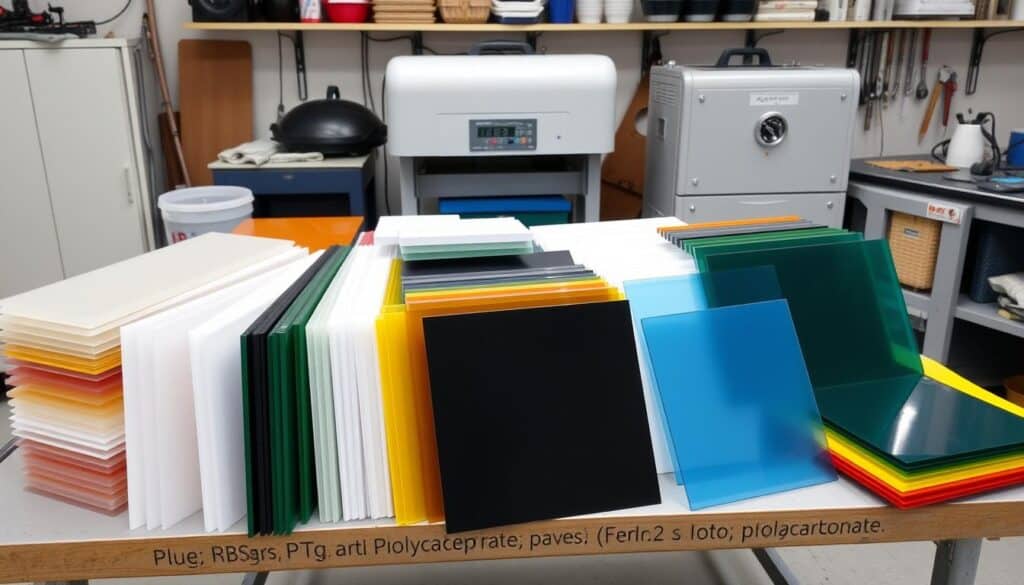
진공 성형에 대해 이야기할 때, 적절한 방법을 아는 것이 매우 중요합니다. 진공 성형 재료 그리고 디자인적인 고려 사항도 중요합니다. 두께와 마감이 다양한 열가소성 시트를 올바르게 선택하는 것은 필수적입니다. 이는 최종 제품의 외관과 기능에 큰 영향을 미칩니다.
설계 단계에서는 몇 가지 핵심 요소를 고려하는 것이 중요합니다. 이러한 요소들은 금형이 제대로 채워지고 플라스틱이 형태를 유지하도록 도와줍니다. 설계에 드래프트 각도를 추가하는 것도 그러한 요소 중 하나입니다. 높이 2cm당 1°의 드래프트 각도만 추가해도 큰 차이를 만들 수 있습니다. 이렇게 하면 성형된 시트에서 금형을 더 쉽게 분리할 수 있습니다.
디자인 시 90도 이상의 각도는 제조상의 문제를 야기할 수 있으므로 날카로운 각도를 피해야 합니다. 금형에서 쉽게 분리될 수 있도록 모서리와 가장자리를 둥글게 처리하는 것이 좋습니다. 또한 3D 프린팅된 금형의 표면 질감도 최종 결과물에 영향을 미칩니다. 0.1mm의 얇은 레이어를 사용하여 3D 프린팅하면 더욱 매끄러운 표면을 얻을 수 있으며, 이는 세부적인 표현에 적합합니다.
Putting air holes in the mold improves detail reproduction in vacuum forming. It’s also noted that wider parts are simpler to work with than taller ones. Choosing the right thermoplastic sheet, like high-density 폴리에틸렌 (HDPE) for food storage or medical parts, depends on the project’s needs. These choices affect the cost, durability, and look of your project.
진공 성형은 연간 250~300개 정도의 제품을 생산하는 데 적합합니다. 플라스틱 사출 성형보다 비용이 훨씬 적게 들어 경제적인 방식입니다. 또한 진공 성형 금형 제작 시간이 단축되어 생산 속도를 높일 수 있습니다. 특히 3D 프린터를 사용하여 정밀한 금형을 제작하면 생산 속도를 더욱 향상시킬 수 있습니다.
이는 1970년대부터 저렴한 비용으로 시제품을 제작하고 창의적인 디자인 실험을 가능하게 하는 방법으로 사용되어 왔습니다. 또한 이 과정을 통해 고객에게 비용 부담 없이 맞춤형 솔루션을 제공할 수 있습니다.
하지만 이 공정은 벽이 얇고 모양이 단순한 부품에 가장 적합합니다. 깊은 드로잉으로 오목한 부품을 제작하는 것은 여전히 어려운 과제입니다. 진공 성형은 소량 생산에는 비용 효율적이지만, 대량 생산에는 다른 플라스틱 제조 방법이 더 저렴할 수 있습니다.
Vacuum Forming Process Explained
The vacuum forming process is a way to mold 열가소성 수지. It follows specific steps to ensure products meet quality standards. We’ll look at the key stages in this workflow.
Step-by-Step Process
This process includes heating the plastic, shaping it, and then finishing the product. Each step helps shape and refine the product. This ensures it is made precisely and works well.
Heating and Molding
First, plastic sheets are warmed until they are soft. This is crucial for shaping them correctly. Then, the soft sheet is placed over a mold. A vacuum sucks the plastic against the mold. This step focuses on controlling the plastic’s temperature and the mold’s shape for the best results.
Trimming and Finishing
After cooling, the product is trimmed and finished. This means cutting away extra plastic and smoothing edges. Good CNC trimming and finishing make the product look better and work better.
In short, every step from heating the plastic to the finishing touches is key. This process creates custom plastic pieces that are high-quality.
Benefits and Drawbacks of Vacuum Forming
Choosing the right manufacturing method is vital for businesses. Vacuum forming is unique compared to methods like injection molding. It has both pros and cons.
Advantages of Vacuum Forming
Vacuum forming is cost-effective, especially for small to medium runs. Tooling costs are much lower than for injection molding. This helps businesses save on start-up expenses.
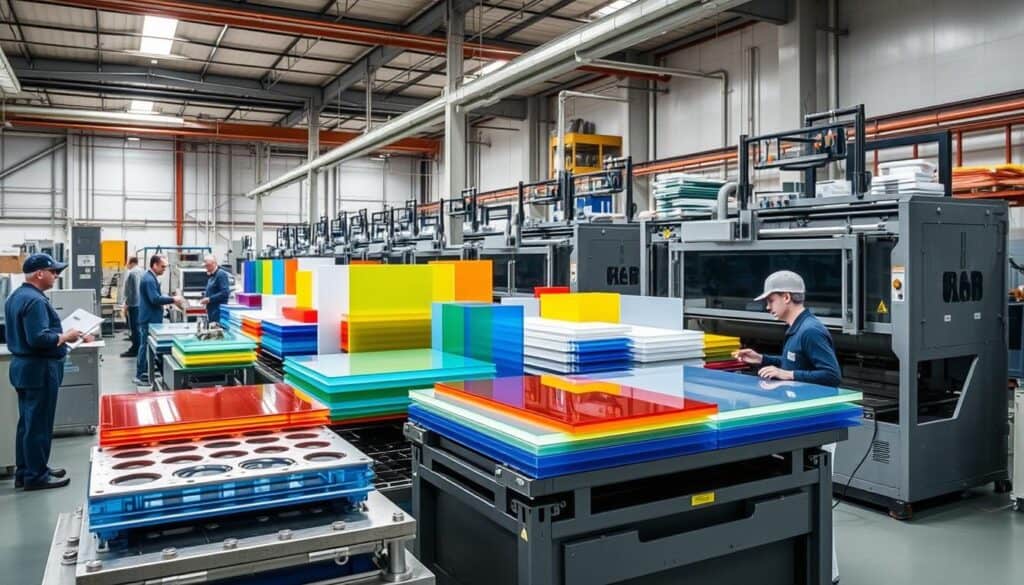
It’s also quick for big parts. Tooling for vacuum forming takes half the time compared to injection molding. Quick production means faster delivery for prototypes and small batches. Vacuum forming is versatile too, suitable for various materials and designs.
It works well for consumer goods, car parts, and packaging.
Disadvantages of Vacuum Forming
Vacuum forming has its limitations too. It fits best with simple part designs that have small walls. Since it applies low pressure, edges are rounded, not sharp. This matters for components needing precision and intricate details.
Compared to injection molding, vacuum forming suits simpler shapes and prototypes better. For detailed pieces, pressure injection molding is more accurate but also more expensive. Additionally, vacuum forming’s production capacity might be too low for large orders.
| 기준 | 진공 성형 | 사출 성형 |
|---|---|---|
| Tooling Costs | 낮추다 | Much Higher |
| Production Time | Faster | Slower (for big parts) |
| Complexity | Simpler designs | Intricate designs |
| Material Options | 제한된 | Wide range |
| Annual Production Capacity | 250-1000 units | 1500+ |
Deciding between vacuum forming and injection molding means looking at product needs, volume, and budget. Talking with a design team can help pick the best method for your project.
Applications of Vacuum Forming
Vacuum forming is used across many industries due to its efficiency and flexibility. In the automotive industry, it helps make big parts cost effective like bumpers, floor mats, and truck beds. These parts can be customized for looks and function, thanks to vacuum forming.
In healthcare, vacuum forming creates device housings and containers that can be sterilized. It works well for products that must stay clean, using materials like HDPE.
Consumer goods also benefit from vacuum forming for its efficiency and cost-effectiveness. Items such as razor packaging, toothbrushes, electronics, and makeup cases are made using this method. It allows for different colors and custom designs at a low cost.
For industrial needs, vacuum forming is key for making strong items like machine containers, crates, signs, and skylights. These products often need materials that resist flames and UV rays, which vacuum forming can handle.
Overall, vacuum forming is crucial for many sectors, including automotive, healthcare, and consumer goods. Its ability to offer affordable, customizable, and versatile solutions makes it a favorite among manufacturers worldwide.
보충 자료 및 기법
- Thermoforming: a broader category that includes vacuum forming, focusing on shaping plastic sheets using heat and molds.
- Injection Molding: a manufacturing process for producing parts by injecting molten material into a mold.
- 블로우 성형: a method used to create hollow plastic parts, such as bottles and containers.
- Composite Materials: using advanced materials that combine different substances to enhance the properties of the vacuum-formed parts.
- Surface Finishing Techniques: methods such as painting, 코팅, or texturing to improve the aesthetic and functional properties of vacuum-formed products.
자주 묻는 질문
진공 성형이란 무엇인가요?
진공 성형은 플라스틱을 성형하는 한 가지 방법입니다. 플라스틱을 부드러워질 때까지 가열한 다음, 진공 압력을 이용하여 금형 위에서 원하는 모양으로 성형합니다. 이 기술은 세부적인 부분이 있는 맞춤형 플라스틱 제품을 제작하는 데 많이 사용됩니다.
진공 성형에는 어떤 재료가 사용되나요?
Thermoplastic sheets are mainly used in vacuum forming. They can be different thicknesses and finishes. ABS, polystyrene, and 폴리카보네이트 are common materials. The material chosen impacts the product’s look and quality.
진공 성형 공정은 어떻게 작동하나요?
먼저 플라스틱 시트를 부드러워질 때까지 가열합니다. 그런 다음 금형 위에 씌워 성형합니다. 진공 압력을 가하면 플라스틱이 금형의 모양을 따라 성형됩니다. 이후 플라스틱을 식히고 다듬으면 완성됩니다.
진공 성형기의 주요 구성 요소는 무엇입니까?
진공 성형기는 시트를 고정하는 프레임, 플라스틱을 연화시키는 발열체, 그리고 고온 금형으로 구성됩니다. 이러한 부품들은 플라스틱을 정확하고 균일하게 성형하는 데 도움을 줍니다.
진공 성형의 장점은 무엇인가요?
진공 성형은 시제품 제작에 비용 효율적이고 신속합니다. 설계 유연성이 뛰어나고 생산 시간도 빠르기 때문에 특정 제품에 널리 사용됩니다.
진공 성형의 단점은 무엇인가요?
단점으로는 재료 두께 및 종류에 제한이 있다는 점이 있습니다. 이는 복잡한 디자인의 강도와 디테일에 영향을 미칠 수 있으며, 일부 디자인은 최종 결과물을 얻기 위해 추가적인 공정이 필요할 수도 있습니다.
진공 성형은 어떤 산업 분야에서 사용되나요?
진공 성형은 자동차, 의료, 소비재 등 다양한 산업 분야에서 사용됩니다. 포장재, 자동차 패널 등의 제품을 만드는 데 활용됩니다. medical device 하우징. 디자인과 생산 유연성 때문에 선택되었습니다.
진공 성형에서 중요한 설계 고려 사항은 무엇입니까?
설계 시 중요한 요소로는 드래프트 각도, 벽 두께, 재료 선택 등이 있습니다. 이러한 요소들은 금형이 제대로 채워지고 플라스틱이 형태를 유지하도록 도와줍니다. 결과적으로 뒤틀림이나 결함이 발생하지 않습니다.
진공 성형 및 플라스틱 제조 관련 외부 링크
국제 표준
(링크 위에 마우스를 올려놓으면 콘텐츠에 대한 설명을 볼 수 있습니다.)
사용된 용어집
Computer Numerical Control (CNC): 컴퓨터 소프트웨어로 공작기계를 제어하는 제조 공정으로, 밀링, 드릴링, 선삭과 같은 작업에 정밀한 움직임과 작동을 가능하게 하여 생산 자동화 및 정확성을 향상시킵니다.
Computer Numerically Controlled (CNC): 컴퓨터 소프트웨어로 프로그래밍된 제어 장치를 사용하여 공작 기계를 조작하는 제조 공정으로, 재료 절단, 밀링, 드릴링 및 조각과 같은 작업을 정밀하고 자동화된 방식으로 수행할 수 있게 합니다.