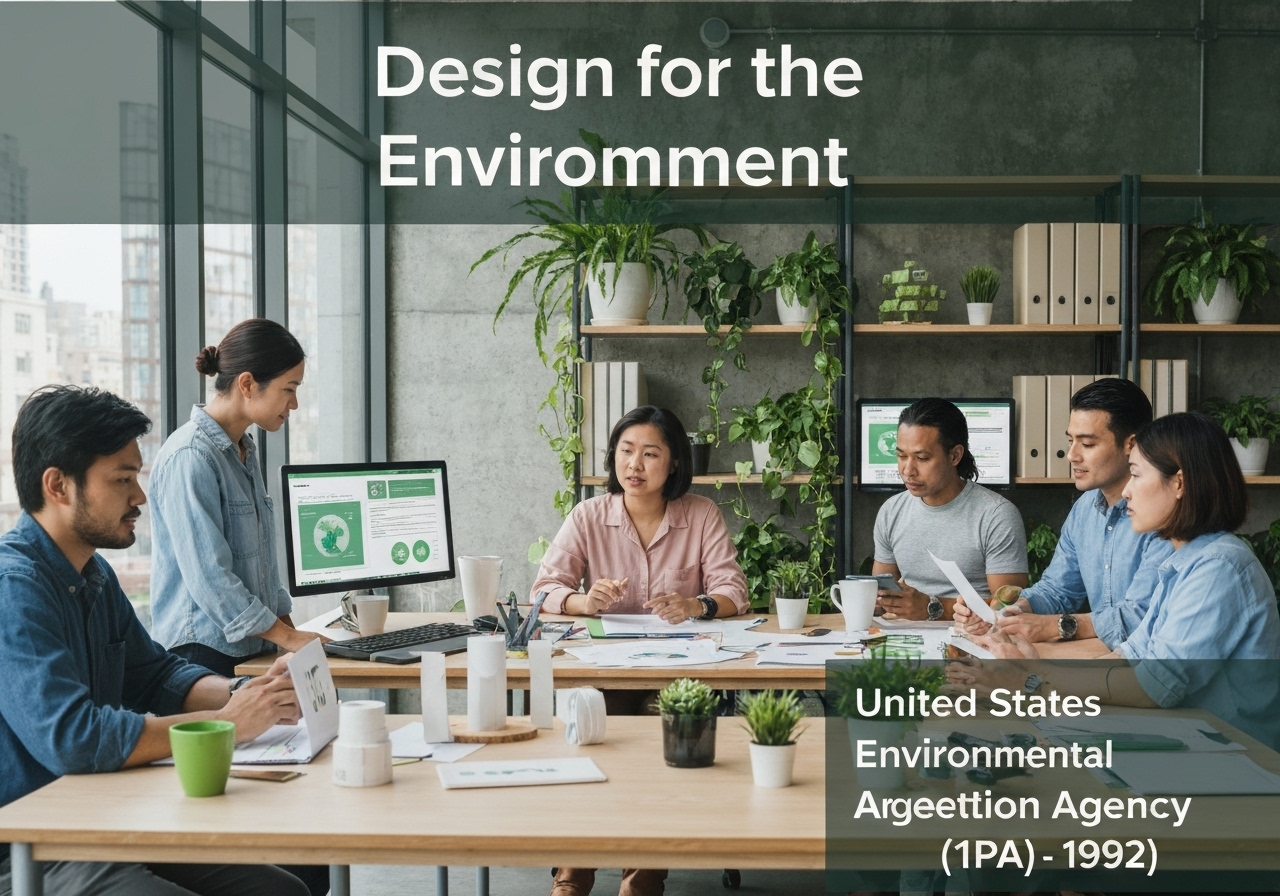
環境設計(DfE)としても知られる エコデザイン, is a proactive approach to product and process development that minimizes environmental and human health impacts across the entire 製品ライフサイクル環境への配慮を、コストや性能といった従来の要素と並行して、設計の初期段階から組み込むことで、汚染を防止し、資源を最初から節約することを目指しています。

(画像はイメージです)
環境設計(DfE)としても知られる エコデザイン, is a proactive approach to product and process development that minimizes environmental and human health impacts across the entire 製品ライフサイクル環境への配慮を、コストや性能といった従来の要素と並行して、設計の初期段階から組み込むことで、汚染を防止し、資源を最初から節約することを目指しています。

DfE emerged from the realization that end-of-pipe pollution controls were inefficient and costly. Instead of treating waste after its creation, DfE focuses on prevention by making smarter choices during design. This holistic approach employs life-cycle thinking, evaluating everything from raw material extraction (‘cradle’) to manufacturing, use, and final disposal (‘grave’). Key principles include selecting low-impact, non-toxic, and recycled materials; minimizing overall material and energy usage during production and operation; and designing for longevity, repairability, and disassembly. By considering a product’s end-of-life at its beginning, DfE facilitates recycling, remanufacturing, and safe decomposition, forming a cornerstone of the circular economy. The novelty of DfE was its fundamental shift from a reactive to a proactive and systemic view of environmental protection within industry, embedding sustainability as a core criterion of innovation and quality, rather than an afterthought or a regulatory burden. It transformed environmental management from a compliance issue into a strategic business opportunity.
ボットによるトラフィック(現在1日あたり4万件以上)を排除するため、このコンテンツはコミュニティメンバー限定となっています。
> ログイン < または > 登録 < (100%無料)でこれにアクセスできます。他のすべての制限付きコンテンツとツールも同様です。
環境配慮設計(DfE)
(日付が不明または関連性がない場合、例えば「流体力学」などでは、その注目すべき出現時期の概算値が提示されます。)

フルサイズの画像とダウンロードは、登録会員のみが100%無料で利用できます。
> ログイン <