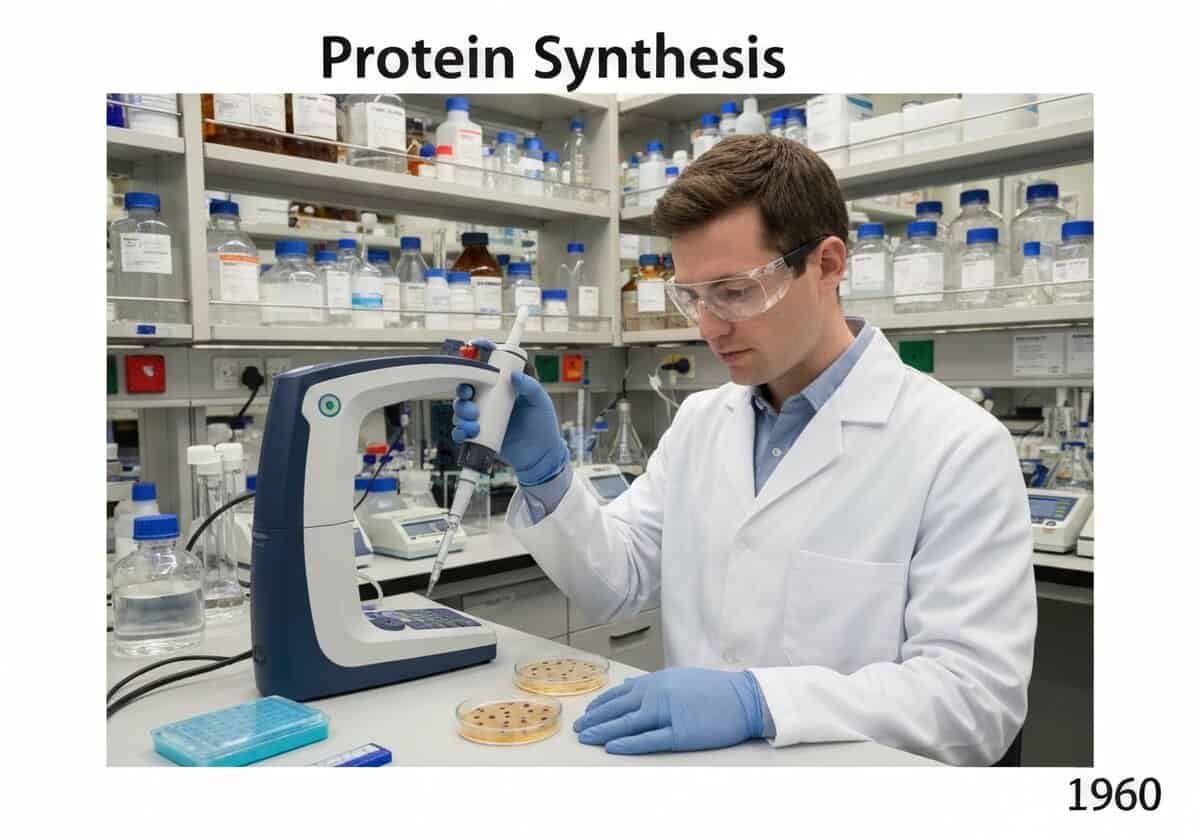
The process of translation occurs in three main stages: initiation, elongation, and termination. During initiation, the ribosomal subunits assemble on the mRNA molecule, typically at a start codon (AUG). In the elongation phase, the ribosome moves along the mRNA, codon by codon. For each codon, a specific tRNA molecule with a complementary anticodon brings the correct amino acid. The ribosome catalyzes the formation of a peptide bond between the new amino acid and the growing polypeptide chain. This cycle repeats, extending the protein. Finally, when the ribosome encounters a stop codon (UAA, UAG, or UGA) on the mRNA, termination occurs. Release factors bind to the ribosome, causing the completed polypeptide chain to be released and the ribosomal subunits to dissociate.
This intricate process is a marvel of molecular machinery, ensuring high fidelity in converting genetic information into functional proteins. The discovery of the mechanisms of translation, including the roles of mRNA, tRNA, and the ribosome, and the cracking of the genetic code by Marshall Nirenberg, Har Gobind Khorana, and others, were landmark achievements of 20th-century biology. This understanding forms the basis of the central dogma of molecular biology and has enabled the entire field of genetic engineering and biotechnology.
関連用語:翻訳、タンパク質合成、リボソーム、mRNA、tRNA、コドン、遺伝暗号、セントラルドグマ、ポリペプチド、遺伝子発現。