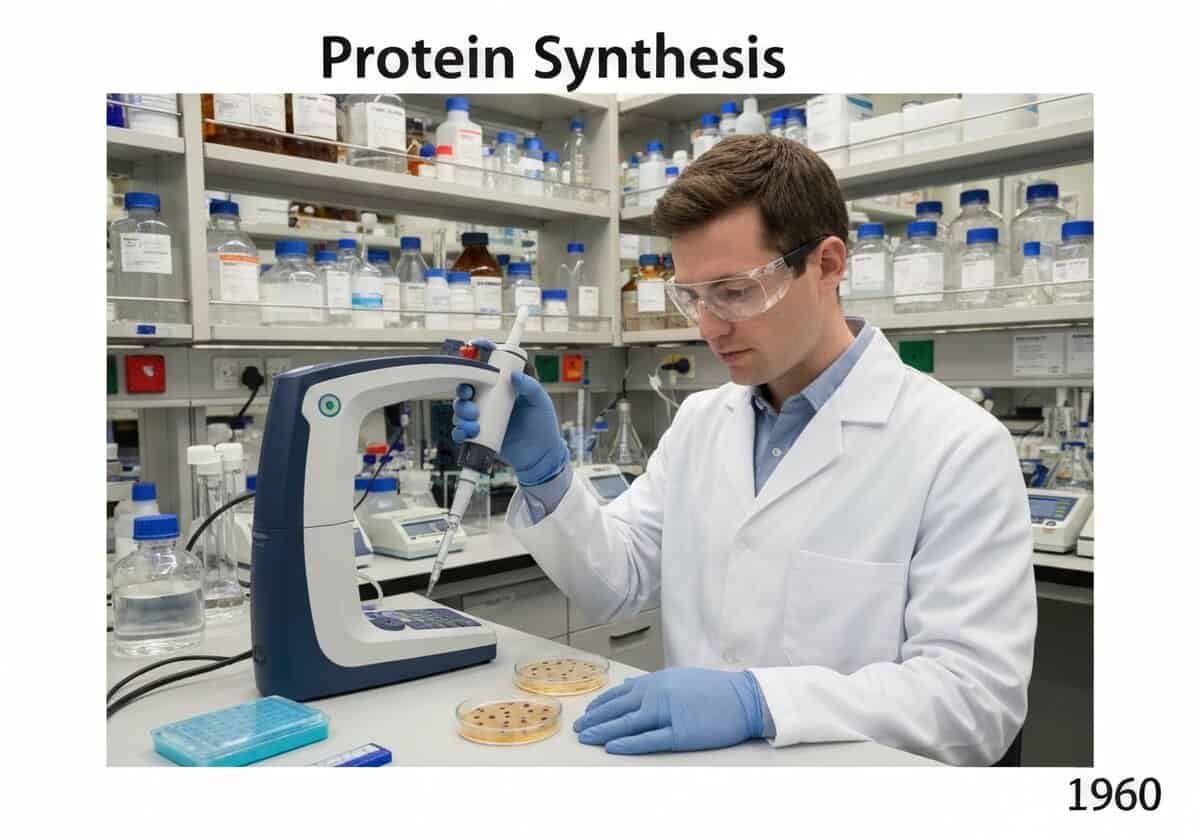
번역은 세포질이나 소포체에 있는 리보솜이 단백질을 합성하는 생물학적 과정입니다. 이는 DNA 서열이 메신저 RNA(mRNA) 분자로 복사되는 전사 과정을 거친 후에 일어납니다. 번역 과정에서 리보솜은 코돈이라고 불리는 3개의 뉴클레오티드 단위로 이루어진 mRNA 서열을 읽고, 전달 RNA(tRNA)의 도움을 받아 해당 아미노산 사슬을 조립합니다.
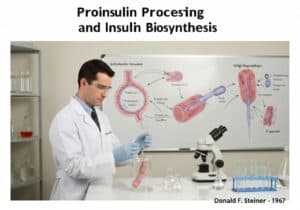
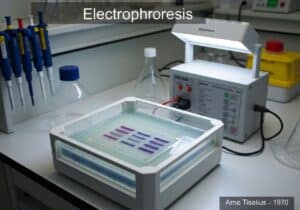
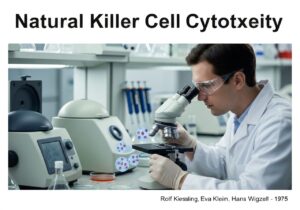
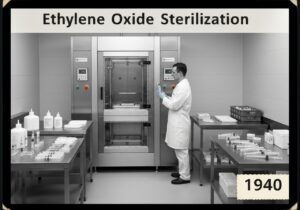
(설명을 위한 생성된 이미지입니다)
번역은 세포질이나 소포체에 있는 리보솜이 단백질을 합성하는 생물학적 과정입니다. 이는 DNA 서열이 메신저 RNA(mRNA) 분자로 복사되는 전사 과정을 거친 후에 일어납니다. 번역 과정에서 리보솜은 코돈이라고 불리는 3개의 뉴클레오티드 단위로 이루어진 mRNA 서열을 읽고, 전달 RNA(tRNA)의 도움을 받아 해당 아미노산 사슬을 조립합니다.
The process of translation occurs in three main stages: initiation, elongation, and termination. During initiation, the ribosomal subunits assemble on the mRNA molecule, typically at a start codon (AUG). In the elongation phase, the ribosome moves along the mRNA, codon by codon. For each codon, a specific tRNA molecule with a complementary anticodon brings the correct amino acid. The ribosome catalyzes the formation of a peptide bond between the new amino acid and the growing polypeptide chain. This cycle repeats, extending the protein. Finally, when the ribosome encounters a stop codon (UAA, UAG, or UGA) on the mRNA, termination occurs. Release factors bind to the ribosome, causing the completed polypeptide chain to be released and the ribosomal subunits to dissociate.
This intricate process is a marvel of molecular machinery, ensuring high fidelity in converting genetic information into functional proteins. The discovery of the mechanisms of translation, including the roles of mRNA, tRNA, and the ribosome, and the cracking of the genetic code by Marshall Nirenberg, Har Gobind Khorana, and others, were landmark achievements of 20th-century biology. This understanding forms the basis of the central dogma of molecular biology and has enabled the entire field of genetic engineering and biotechnology.
현재 하루 4만 건이 넘는 봇 트래픽을 차단하기 위해 이 콘텐츠는 커뮤니티 회원만 이용할 수 있습니다.
> 로그인 < 또는 >등록 < 이 콘텐츠를 비롯한 모든 제한된 콘텐츠와 도구는 (100% 무료로) 이용할 수 있습니다.
단백질 합성(번역)
(날짜를 알 수 없거나 관련이 없는 경우, 예를 들어 "유체역학"의 경우, 주목할 만한 등장 시기를 대략적으로 추정하여 제공합니다.)
고화질 이미지 및 다운로드는 등록된 회원에게만 100% 무료로 제공됩니다.
> 로그인 <