निरंतर सुधार, लागत आवंटन, जस्ट-इन-टाइम (JIT), लीन विनिर्माण, लॉजिस्टिक्स, प्रक्रिया अनुकूलन, गुणवत्ता प्रबंधन, आपूर्ति श्रृंखला
उद्देश्य:
लागत को कम करते हुए ग्राहकों की मांग को पूरा करने के लिए इन्वेंट्री की सही मात्रा का प्रबंधन और रखरखाव करना।
इसका उपयोग कैसे किया जाता है:
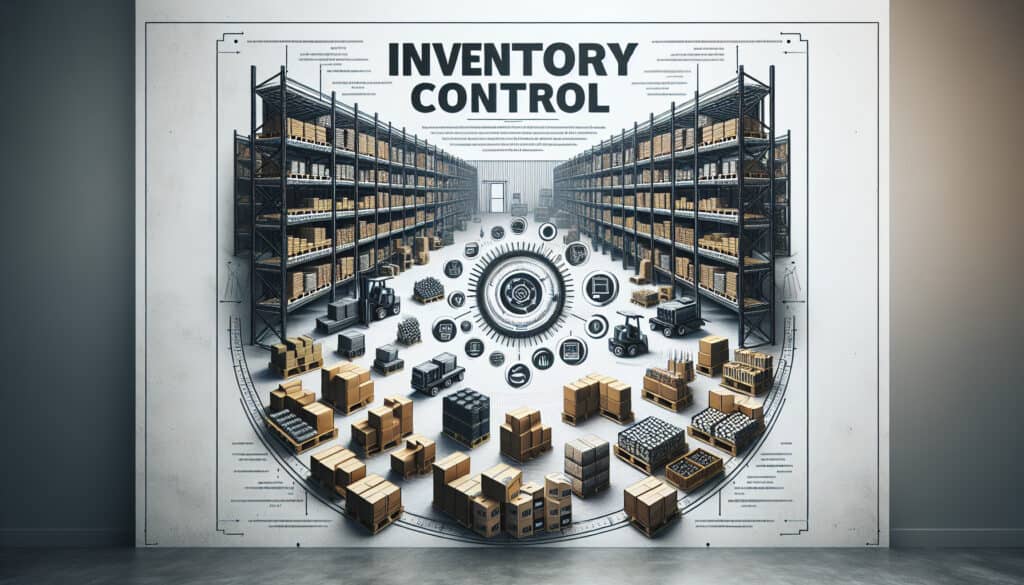
The process of managing a company's inventory levels, including ordering, storing, and tracking inventory. The goal is to have the right products in the right place at the right time to meet customer demand without tying up too much capital in inventory.
फायदे
इससे रखरखाव लागत और अप्रचलित होने का जोखिम कम होता है; नकदी प्रवाह और ग्राहक संतुष्टि में सुधार होता है।
नुकसान
इसका प्रबंधन जटिल हो सकता है, खासकर उन व्यवसायों के लिए जिनके पास उत्पादों की संख्या बहुत अधिक है; इसके लिए सटीक पूर्वानुमान और डेटा विश्लेषण की आवश्यकता होती है।
श्रेणियाँ:
लीन सिग्मा, उत्पादन
इसके लिए सबसे अच्छा:
खुदरा या विनिर्माण व्यवसाय में स्टॉक स्तरों का प्रबंधन करके स्टॉक स्तर को अनुकूलित करना और लागत को कम करना।
Inventory Control plays a significant role across various industries such as retail, manufacturing, and e-commerce, ensuring that stock levels are balanced and responsive to market demands. The implementation of this methodology is often initiated during the planning phase of a project, where supply chain managers and operations teams collaborate to analyze historical sales patterns, forecast future demand, and develop inventory strategies. Tools such as Just-In-Time (JIT) inventory management, Economic Order Quantity (EOQ) models, and ABC analysis are commonly employed to categorize and prioritize inventory items based on their turnover rates and contribution to overall revenue. This approach not only aids in minimizing excess stock and reducing storage costs but also enhances production efficiency, particularly in manufacturing environments. Stakeholders like suppliers, logistics providers, and sales teams play a critical part in this process by sharing real-time data and market insights, allowing for better decision-making. Industries such as pharmaceuticals, where product expiration dates are a concern, or those dealing with seasonal merchandise, benefit greatly from responsive inventory strategies that adapt to changing customer preferences. Effective Inventory Control methodologies also enable businesses to implement automated systems for tracking inventory levels, reducing manual errors, and providing heightened visibility across the supply chain, which in turn leads to improved cash flow management and elevated customer satisfaction through timely order fulfillment.
इस पद्धति के प्रमुख चरण
व्यापारिक लक्ष्यों के अनुरूप इन्वेंट्री नियंत्रण उद्देश्यों को परिभाषित करें।
मांग का सटीक अनुमान लगाने के लिए पूर्वानुमान तकनीकों का उपयोग करें।
ईओक्यू जैसे मॉडलों का उपयोग करके इष्टतम ऑर्डर मात्रा निर्धारित करें।
एबीसी विश्लेषण जैसी इन्वेंट्री वर्गीकरण प्रणालियों को लागू करें।
उत्पादों के लिए न्यूनतम और अधिकतम स्टॉक सीमा निर्धारित करें।
वास्तविक समय में इन्वेंट्री को ट्रैक करने के लिए स्वचालित प्रणालियों का उपयोग करें।
प्रदर्शन मानकों के आधार पर इन्वेंट्री स्तरों की नियमित रूप से समीक्षा करें और उन्हें समायोजित करें।
मांग के संकेतों के आधार पर समय पर स्टॉक की पुनःपूर्ति के लिए आपूर्तिकर्ताओं के साथ समन्वय करें।
इन्वेंट्री डेटा को बिक्री और खरीद प्रणालियों के साथ एकीकृत करें।
इन्वेंट्री रिकॉर्ड की सटीकता बनाए रखने के लिए चक्र गणना करें।
प्रो टिप्स
उत्पादन कार्यक्रम और ग्राहक मांग के साथ इन्वेंट्री स्तरों को संरेखित करने और होल्डिंग लागत को कम करने के लिए जस्ट-इन-टाइम (जेआईटी) इन्वेंट्री प्रथाओं को लागू करें।
मांग में होने वाले उतार-चढ़ाव का पूर्वानुमान लगाने और ऑर्डर देने की प्रक्रियाओं को अनुकूलित करने के लिए मशीन लर्निंग एल्गोरिदम को शामिल करने वाले उन्नत पूर्वानुमान मॉडल का उपयोग करें।
इन्वेंट्री की रीयल-टाइम ट्रैकिंग और विजिबिलिटी के लिए आरएफआईडी तकनीक का उपयोग करें, जिससे विसंगतियों को कम किया जा सके और इन्वेंट्री टर्नओवर दरों में सुधार किया जा सके।
विभिन्न पद्धतियों को पढ़ने और उनकी तुलना करने के लिए, हम अनुशंसा करते हैं