Product Design, Manufacturing & Innovation Resources

हार्डवेयर-इन-द-लूप सिमुलेशन

हार्डवेयर-इन-द-लूप सिमुलेशन

हार्डवेयर-इन-द-लूप सिमुलेशन

उद्देश्य:

एक वर्चुअल वातावरण में एम्बेडेड सिस्टम का परीक्षण और सत्यापन करने के लिए।.

इसका उपयोग कैसे किया जाता है:

फायदे

नुकसान

श्रेणियाँ:

इसके लिए सबसे अच्छा:

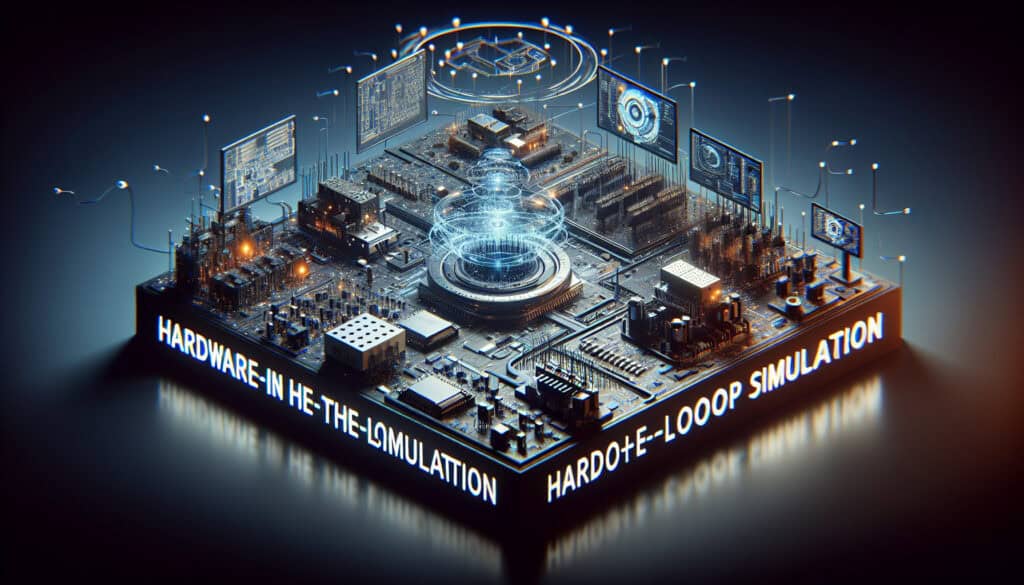
Hardware-in-the-Loop (HIL) Simulation finds extensive use across industries such as automotive, aerospace, robotics, and automation, where the interaction between hardware and complex control algorithms must be validated before physical prototypes exist. For instance, in the automotive sector, engineers can utilize HIL to simulate the interaction of a vehicle’s braking system with real sensors and actuators, enabling rigorous testing of control software under various driving conditions. In aerospace, this methodology allows for the evaluation of flight control systems by interfacing with actual actuators and sensors employed in modern aircraft to ensure that safety protocols can be adhered to before real-world testing. HIL Simulation is often initiated during the development phase when control algorithms are being designed, allowing teams composed of software developers, systems engineers, and hardware engineers to collaborate closely, thereby enhancing communication and integration efforts. This rigorous testing environment mitigates risks associated with traditional testing methods, including potential damage to high-value hardware and the significant costs associated with physical prototypes, as it allows for adjustments and iterations to be made in software without risking any actual devices. Furthermore, with the growing complexity of systems requiring real-time response, countless industries now rely on HIL Simulation not only as a testing measure but also as part of their continuous development cycle, where feedback loops and performance metrics can be integrated into the design phase, ensuring that reliability and efficiency are maintained throughout the engineering process.

इस पद्धति के प्रमुख चरण

  1. प्रणाली की आवश्यकताओं और विनिर्देशों को परिभाषित करें।.
  2. सिस्टम के लिए हार्डवेयर घटकों का चयन और विन्यास करें।.
  3. सिमुलेशन सॉफ़्टवेयर का उपयोग करके सिस्टम का वर्चुअल मॉडल विकसित करें।.
  4. वास्तविक हार्डवेयर घटकों को आभासी सिमुलेशन वातावरण के साथ एकीकृत करें।.
  5. सिम्युलेशन फ्रेमवर्क के भीतर नियंत्रण एल्गोरिदम और रणनीतियाँ लागू करें।.
  6. प्रणाली के प्रदर्शन का आकलन करने के लिए विभिन्न परिदृश्यों के साथ सिमुलेशन चलाएँ।.
  7. परिणामों का विश्लेषण करें, नियंत्रण प्रणाली के व्यवहार और फीडबैक पर ध्यान केंद्रित करते हुए।.
  8. आवश्यकतानुसार एल्गोरिदम और हार्डवेयर विन्यासों में संशोधन करके डिज़ाइन में पुनरावृत्ति करें।.
  9. हार्डवेयर और सॉफ़्टवेयर के बीच संचार का परीक्षण करके एकीकरण सत्यापित करें।.
  10. व्यापक परीक्षण मामलों के माध्यम से सिस्टम सत्यापन को अंतिम रूप दें।.

प्रो टिप्स

  • सिम्युलेशन में उन्नत दोष पहचान एल्गोरिदम शामिल करें, जिससे विभिन्न परिदृश्यों में संभावित समस्याओं की पहचान संभव हो और विश्वसनीयता विश्लेषण में सुधार हो।.
  • अपने सिमुलेशन सेटअप में मॉड्यूलर हार्डवेयर एकीकरण का लाभ उठाएँ, जिससे घटकों को आसानी से बदला और परीक्षण किया जा सके, और इस प्रकार प्रोटोटाइप चक्रों में तेजी आए।.
  • Establish a feedback loop between simulation results and hardware modifications, ensuring that learnings from simulated tests directly influence iterative design improvements.

विभिन्न पद्धतियों को पढ़ने और उनकी तुलना करने के लिए, हम अनुशंसा करते हैं

> व्यापक कार्यप्रणाली भंडार  <
अन्य 400 से अधिक पद्धतियों के साथ।

इस कार्यप्रणाली पर आपकी टिप्पणियाँ या अतिरिक्त जानकारी का स्वागत है। नीचे टिप्पणी अनुभाग देखें ↓ , साथ ही इंजीनियरिंग से संबंधित कोई भी विचार या लिंक।

ऐतिहासिक संदर्भ

1950
1955
1956
1960
1960
1960
1960
1950
1950
1955
1958
1960
1960
1960
1960

(यदि तिथि अज्ञात है या प्रासंगिक नहीं है, उदाहरण के लिए "द्रव यांत्रिकी", तो इसके उल्लेखनीय उद्भव का एक अनुमानित आंकड़ा प्रदान किया गया है)

संबंधित पोस्ट

पंजीकृत सदस्यों के लिए पूर्ण आकार की छवियाँ और डाउनलोड 100% निःशुल्क उपलब्ध हैं।