Product Design, Manufacturing & Innovation Resources
بيت » إطفاء الحرائق بالتبريد

إطفاء الحرائق بالتبريد

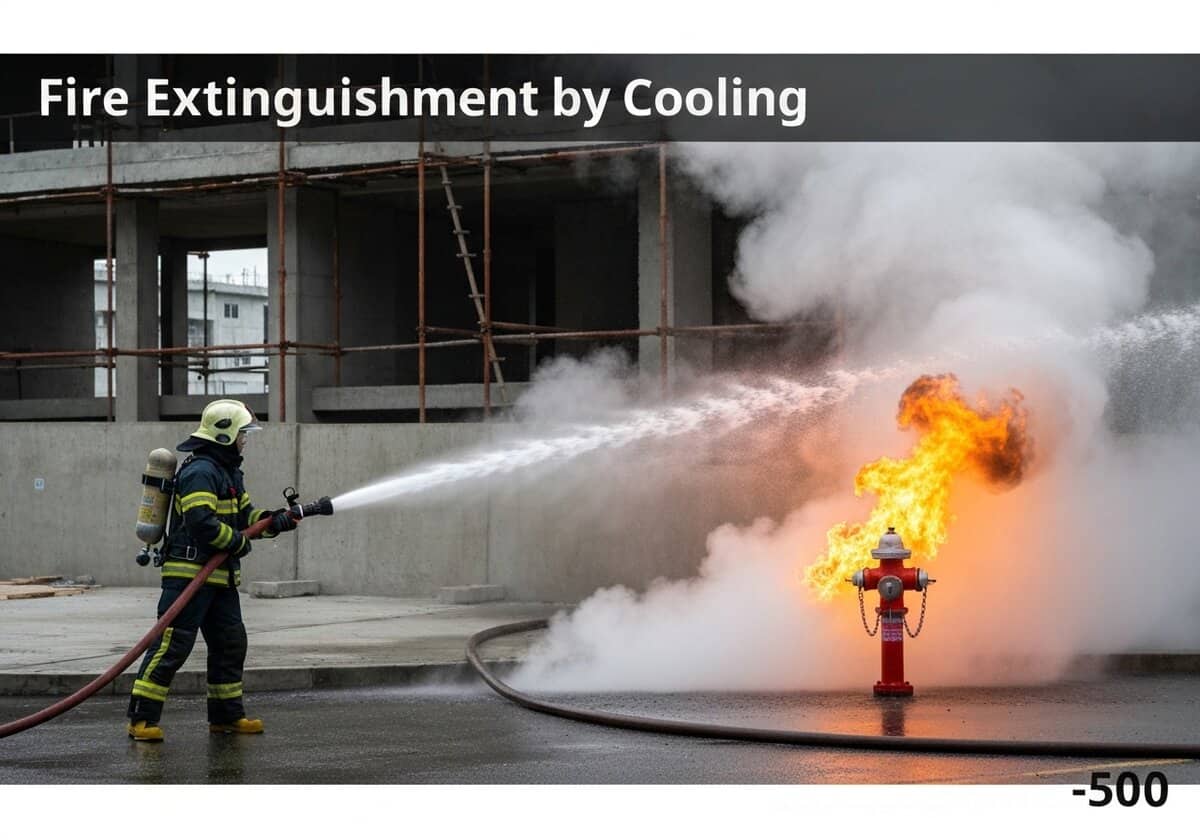
-500
Firefighter extinguishing flames with water hose in a controlled environment, chemical engineering application.

(صورة توضيحية فقط)

A primary method of fire extinguishment involves removing the ‘heat’ component of the fire triangle. This is most commonly achieved by applying a substance that absorbs a large amount of heat, such as water (despite water also have other effects in the fire triangle -refer to dedicated post-). Water’s high specific heat and الحرارة الكامنة of vaporization make it highly effective at cooling a fire below its self-sustaining temperature.
Extinguishment by cooling is a fundamental firefighting tactic that directly targets the ‘heat’ side of the fire triangle. The goal is to reduce the temperature of the burning material to a point where it no longer produces sufficient flammable vapor to sustain combustion. This point is known as the fire point. Water is the most common cooling agent due to its unique thermal properties. It has a high specific heat capacity, meaning it can absorb a significant amount of thermal energy before its own temperature rises substantially. More importantly, it has a very high latent heat of vaporization. When liquid water turns into steam at 100°C, it absorbs a massive amount of energy from the fire without any change in temperature. This phase change is extremely efficient at drawing heat away from the fuel. The resulting steam also helps to displace oxygen, contributing to extinguishment by smothering. However, using water is not always appropriate. It can be ineffective or dangerous on grease fires (it can spread the burning grease) and electrical fires (due to conductivity), and it can react violently with certain metal fires.

UNESCO Nomenclature: 3305
– Chemical engineering

يكتب

Physical Process

خلل

Incremental

الاستخدام

استخدام واسع النطاق

مقدمات

  • ملاحظة تأثير الماء على النار
  • فهم الحرارة ودرجة الحرارة
  • development of thermodynamics, specifically concepts of specific heat and الحرارة الكامنة
  • اختراع المضخات والخراطيم لتوصيل المياه

التطبيقات

  • صنابير وخراطيم إطفاء الحرائق
  • أنظمة الرش في المباني
  • طائرات لإسقاط المياه على حرائق الغابات
  • طفايات الحريق المائية الشخصية
  • أنظمة تخميد البخار

براءات الاختراع:

NA

أفكار ابتكارية محتملة

  • الموجات فوق الصوتية water mist systems with smaller droplets for more efficient heat absorption
  • مواد هلامية لمكافحة الحرائق تلتصق بالأسطح وتوفر تبريدًا لفترة طويلة
  • طائرات بدون طيار تنشر عوامل تبريد مستهدفة بدقة عالية
  • مواد تغيير الطور المستخدمة في مكافحة الحرائق الصناعية المتخصصة
  • self-activating cooling systems embedded in بطارية ليثيوم أيون packs
  • طفايات صوتية تستخدم الموجات الصوتية لإحداث تغييرات في الضغط وتبريد واجهة اللهب
  • طفايات النيتروجين السائل المبردة للبيئات الإلكترونية الحساسة
  • أنظمة الرش الذكية التي تضبط تدفق المياه وحجم القطرات بناءً على شدة الحريق
  • رغاوي التبريد القابلة للتحلل الحيوي والتي تعمل أيضًا كحاجز للبخار
  • لوحات التبريد الحرارية الكهربائية للوقاية من الحرائق الموضعية في المعدات عالية التقنية
يتعلق بـ: التبريد، الإطفاء، الماء، حرارة التبخر، الحرارة النوعية، قمع الحرائق، نظام الرش، مكافحة الحرائق، إزالة الحرارة، مثلث الحريق.

السياق التاريخي

إطفاء الحرائق بالتبريد

-500
1700
1761
1807-01-01
1850
1850
1850
-250
-500
1750
1788
1834
1850
1850
1850

(إذا كان التاريخ غير معروف أو غير ذي صلة، على سبيل المثال "ميكانيكا الموائع"، يتم توفير تقدير تقريبي لظهوره الملحوظ)

أحدث الإضافات

أهم المنشورات والمقالات

أفضل الأدوات الأصلية

السنة العاشرة عيد

الصور والتنزيلات بالحجم الكامل متاحة فقط، ومجانية تمامًا، للأعضاء المسجلين.