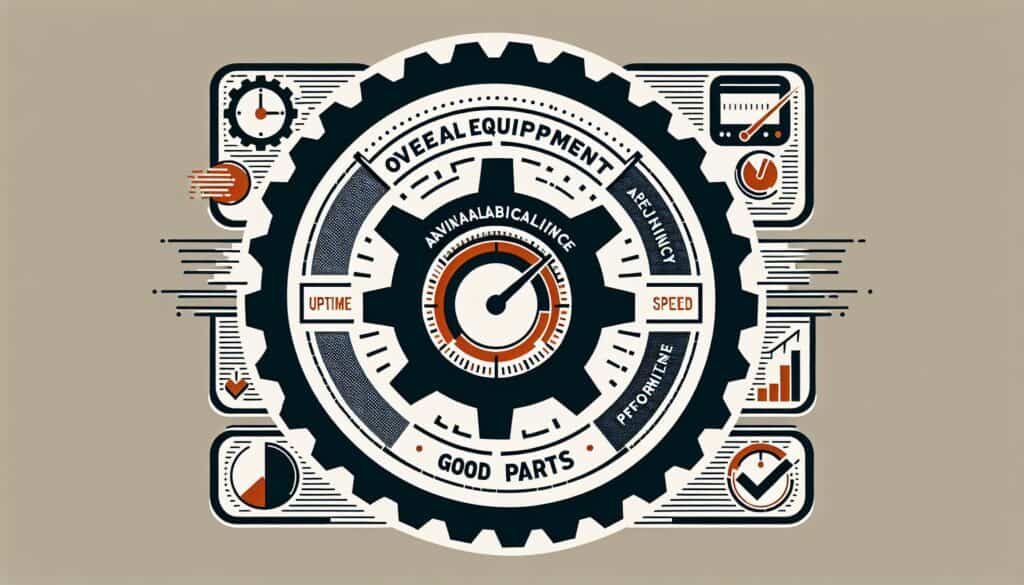
OEE, or Overall Equipment Effectiveness, plays a pivotal role in various sectors such as automotive manufacturing, food processing, pharmaceuticals, and electronics, where machinery and equipment are vital for production efficiency. Companies implementing OEE typically engage in continuous improvement initiatives like
精益制造 或者
全面生产维护 (TPM), integrating OEE calculations into regular performance reviews or specific improvement projects. Key participants in this methodology often include production managers, maintenance staff, quality assurance teams, and data analysts, all working collaboratively to gather accurate data and interpret the results, thereby ensuring that all aspects of the manufacturing process are considered. By analyzing OEE scores, organizations can identify trends over time and address specific downtime events or performance bottlenecks, optimizing machine utilization and reducing scrap rates. Use of OEE is prevalent during the operational phase of projects but can also serve as a benchmarking tool in the design phase for new equipment or processes, allowing engineers to simulate potential performance outcomes under varying conditions. For instance, in automotive assembly lines, OEE data can guide decisions regarding machinery upgrades or equipment replacements, while in food processing, it may assist in minimizing waste and adhering to stringent quality standards. Employing OEE fosters a culture of accountability and continuous improvement, helping teams target root causes of inefficiencies that can significantly affect production outcomes.