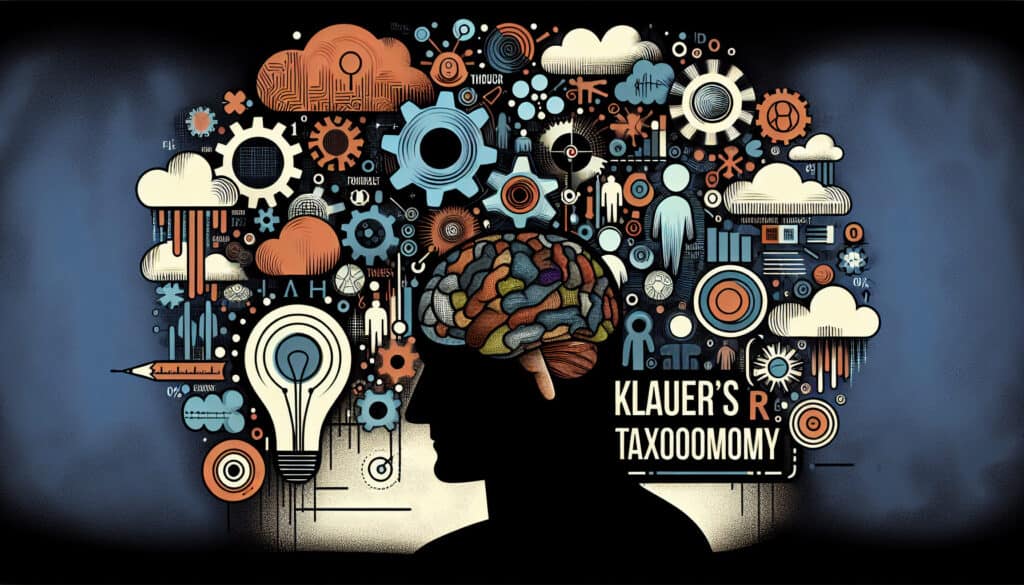
Klauer’s Taxonomy of Human Errors serves as a valuable resource in various sectors such as aviation, healthcare, and manufacturing, where the potential for human error significantly impacts safety and efficiency. This methodology provides a structured approach to categorize errors, distinguishing between perceptual errors that stem from misinterpretations of sensory information, decision-making errors arising from flawed reasoning processes, and action-based errors linked to inappropriate execution of tasks. The applicability of this taxonomy extends into the design phase of products or systems, where engineers and designers can collaborate to create user interfaces that minimize the likelihood of perceptual misunderstandings or decision-making failures. For instance, in aviation, cockpit designs incorporate visual and auditory alerts that aid pilots in decision-making, addressing potential human errors identified through this taxonomy. Implementation in healthcare can involve designing medical devices that account for human behavior, ensuring that they align with user capabilities and limitations. Participants in this methodology typically include human factors engineers, system designers, safety analysts, and frontline workers, all working together to create a safer, more efficient environment through systematic error analysis and the adoption of user-centered design principles. The taxonomy’s framework aids teams in identifying root causes of errors, ensuring that systemic issues are addressed rather than placing blame on individuals, which ultimately enhances the reliability of the systems under consideration.
该方法的关键步骤
确定错误类型:根据感知、决策或行动对错误进行分类。
分析背景因素:检查错误发生时存在的环境和系统性影响。
确定错误的影响:评估错误对安全、绩效或目标实现的影响。
调查个人因素:回顾相关人员在发生错误时的认知和情绪状态。
追踪错误路径:追溯导致错误的事件顺序,找出任何促成因素。
确定预防措施:提出具体的设计或流程变更建议,以减轻将来类似错误的发生。
专业提示
利用仿真和建模工具来重现人为错误场景,从而对高风险环境下的决策过程进行结构化分析。
定期开展跨学科团队事件报告审查,以剖析错误模式,并加深对系统性漏洞的集体理解。
Incorporate user feedback loops in the design phase to ensure that perceptual and cognitive biases are adequately addressed, minimizing potential errors in real-world applications.