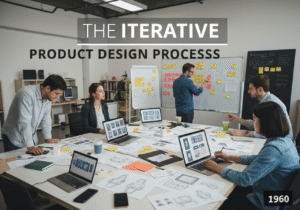
Hackathons serve as dynamic environments where interdisciplinary collaboration takes center stage, attracting participants from various fields such as software development, user experience design, engineering, and business strategy. These events are particularly prevalent in sectors like technology, healthcare, and education, where rapid innovation is essential to keep pace with market demands and user needs. Often organized by tech companies, universities, or innovation hubs, hackathons can be initiated by industry leaders seeking fresh ideas or by organizations aiming to bolster team cohesion and creativity. Participants often include seasoned professionals, students, and hobbyists, allowing diverse perspectives to converge on a specific challenge or set of problems, leading to innovative solutions in a compressed timeframe. Typical phases of these events may encompass ideation, prototyping, and presentation, where teams are encouraged to transform concepts into tangible products, often resulting in minimum viable products (MVPs) that can be further developed. Judging criteria frequently emphasize not only the technical execution but also user-centered design and market viability, encouraging teams to think broadly about their solutions. Post-hackathon, many organizations may continue to develop the best ideas, providing resources and mentorship to refine them into commercially viable offerings, thus bridging the gap between conceptualization and implementation within the startup or product lifecycle.
该方法的关键步骤
专业提示
阅读和比较几种方法、 我们建议
> 广泛的方法论资料库 <
以及其他 400 多种方法。
欢迎您就此方法发表评论或提供更多信息,请登录 下面的评论区 ↓ ,因此任何与工程相关的想法或链接都是如此。