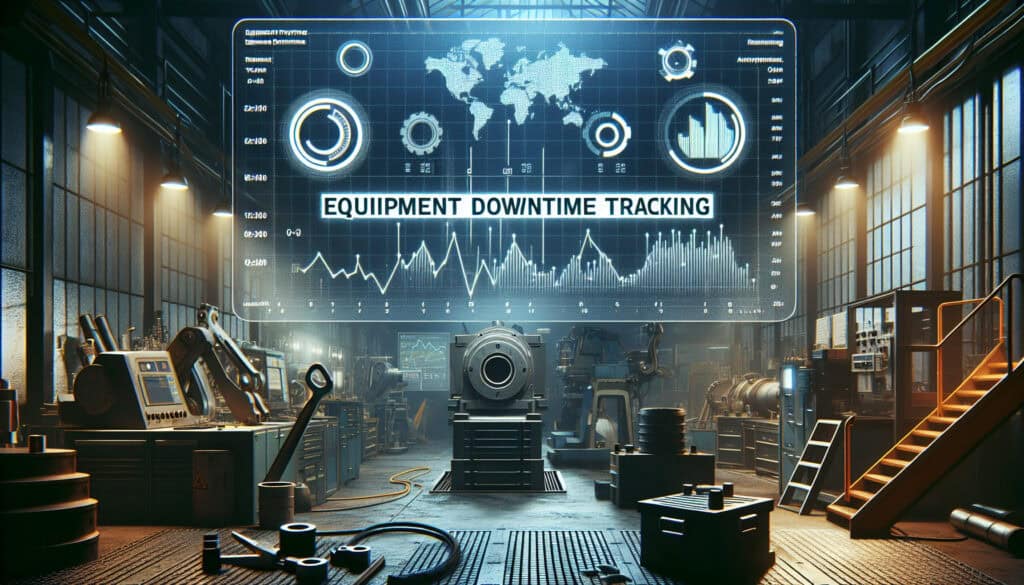
Equipment Downtime Tracking is particularly effective within industries like manufacturing, aerospace, and energy, where operational efficiency directly impacts economic viability and competitiveness. This methodology can be applied during various project phases, including initial equipment installation, routine maintenance schedules, and continuous improvement initiatives aimed at enhancing operational performance. Key participants in this tracking process typically include production managers, maintenance teams, and data analysts who collaborate to compile and scrutinize downtime data. Real-time data capture tools such as IoT sensors and software applications can assist in documenting machine status, which facilitates precise analysis of downtime events. Industries leveraging this approach often utilize findings to drive initiatives such as predictive maintenance, which anticipates failure before it occurs, thus reducing unplanned downtime. An example can be seen in automotive assembly lines, where meticulously tracking downtime events has led to process refinements, allowing manufacturers to pivot quickly in response to emerging equipment issues and thereby optimize productivity. Furthermore, organizations that practice this methodology can identify recurring problem areas, leading to targeted investment in high-impact improvement initiatives, resulting in maximized equipment availability and reduced operational costs, ultimately enhancing their ability to meet customer demand more effectively.