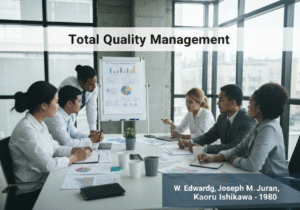
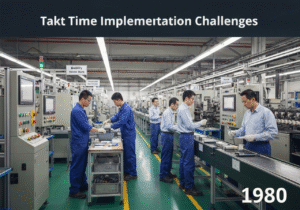
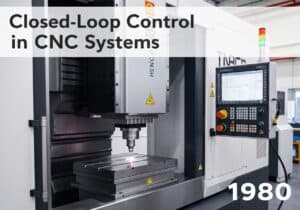
The Control Plan methodology is widely utilized across industries such as automotive, aerospace, electronics, and medical devices, where ensuring product quality is paramount. In the context of Advanced Product Quality Planning (APQP), it is particularly relevant during the design and development phase, as well as during ongoing production, encompassing all stages from initial design validation to final assembly. Key participants in developing and maintaining a Control Plan typically include quality engineers, manufacturing engineers, process managers, and cross-functional team members, who collaborate to ensure that all significant process variables are defined and monitored systematically. The Control Plan is inherently a living document, meaning it must be continuously updated based on process changes, improved technologies, or new customer requirements, thereby facilitating a proactive approach to quality management rather than a reactive one. Typical applications include outlining specific measurement techniques such as Statistical Process Control (SPC), capability studies, and inspection methods that ensure compliance with design specifications. The use of this methodology not only enhances traceability and accountability in manufacturing processes but also serves as a training resource for new employees, reinforcing the organization’s commitment to maintaining high quality standards throughout the production lifecycle. Additionally, the alignment of the Control Plan with other quality management tools, such as Failure Mode and Effects Analysis (FMEA) and Design Reviews, promotes a holistic approach to quality assurance, thus increasing customer satisfaction and reducing product costs associated with defects and rework.
该方法的关键步骤
专业提示
阅读和比较几种方法、 我们建议
> 广泛的方法论资料库 <
以及其他 400 多种方法。
欢迎您就此方法发表评论或提供更多信息,请登录 下面的评论区 ↓ ,因此任何与工程相关的想法或链接都是如此。