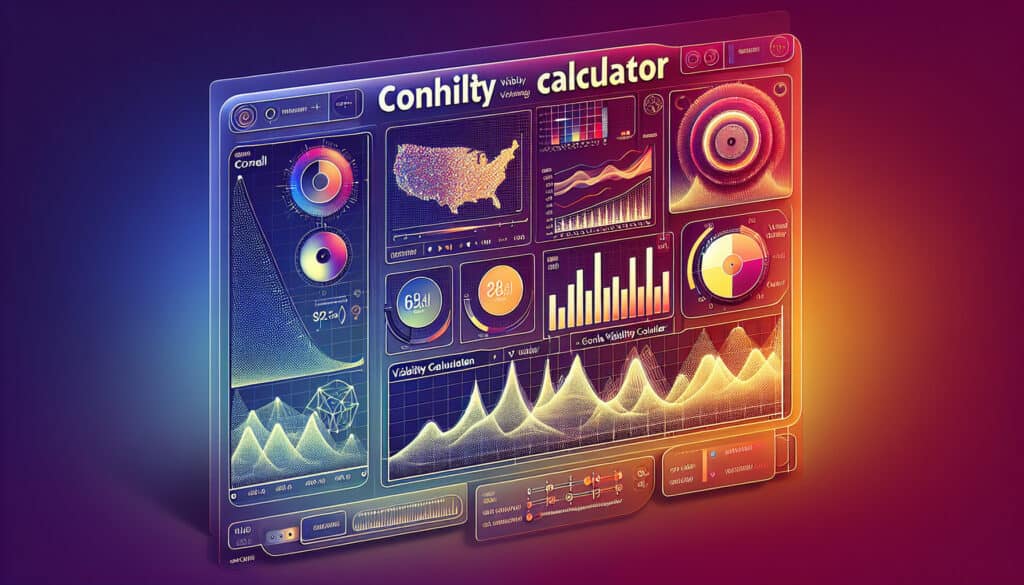
The Cornell Visibility Calculator is particularly valuable in sectors where precision and attention to detail are paramount, such as the fields of aerospace, automotive design, and manufacturing. This methodology can be applied during various stages of a project, especially in the design and prototyping phases, where visual ergonomics significantly impacts user performance and satisfaction. Participants in this assessment typically include product designers, ergonomists, engineers, and quality assurance teams who collaborate to ensure that visual tasks align with the calculated visibility scores. Industries that
从事 with this methodology may also include healthcare, where surgical teams rely on optimal visibility during procedures; architecture, where visibility affects the usability and functionality of spaces; and even consumer products, where
user interface visibility can dictate the overall user experience. By quantifying visual demand, the Cornell Visibility Calculator enables teams to identify potential visibility issues early, allowing for strategic alterations in lighting, display size, or arrangement of workstations. This proactive approach not only contributes to enhanced visual performance but also mitigates the risks associated with visual strain and fatigue, thereby ensuring that end users can perform their tasks efficiently and effectively. The calculator operates under the premise that better visibility contributes directly to productivity, safety, and overall satisfaction in both individual and collaborative tasks.
To read and compare several methodologies, we recommend the
> Extensive Methodologies Repository <
together with the 400+ other methodologies.
Your comments on this methodology or additional info are welcome on the comment section below ↓ , so as any engineering-related ideas or links.