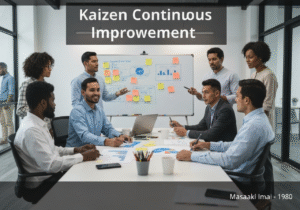
Incorporating Key Performance Indicators (KPIs) into product design, innovation, science, and engineering is widely recognized across a range of industries, including manufacturing, software development, healthcare, and construction. Typically employed during various phases of project management—such as planning, execution, and evaluation—these metrics ensure alignment between daily operations and overarching organizational objectives. For example, in software development, KPIs such as code quality, deployment frequency, and customer satisfaction score are tracked to assess team performance and product effectiveness; similar metrics like defect rates and on-time delivery are utilized in manufacturing to optimize production lines. Engagement of cross-functional teams, including product managers, quality assurance analysts, and data analysts, is often necessary for gathering and analyzing KPI data, ensuring a comprehensive view of performance across multiple domains. Consistent monitoring through dashboards enables real-time data visualization that can facilitate quick decision-making and iterative adjustments to processes. Organizations can also integrate customer feedback metrics, such as Net Promoter Score (NPS), to gauge user experience and satisfaction, which informs design modifications and innovation cycles. Effective use of KPIs cultivates a culture of accountability and transparency, allowing teams to celebrate successes while acknowledging areas that require corrective action or additional resources, thereby driving continuous improvement in both product quality and team productivity. Regularly revisiting and refining KPIs ensures they remain aligned with shifting market demands and strategic objectives, making them an integral part of the iterative development process that characterizes contemporary product design and engineering.
该方法的关键步骤
专业提示
阅读和比较几种方法、 我们建议
> 广泛的方法论资料库 <
以及其他 400 多种方法。
欢迎您就此方法发表评论或提供更多信息,请登录 下面的评论区 ↓ ,因此任何与工程相关的想法或链接都是如此。