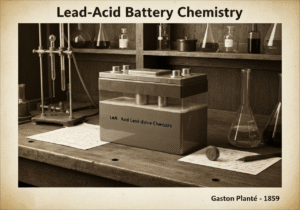
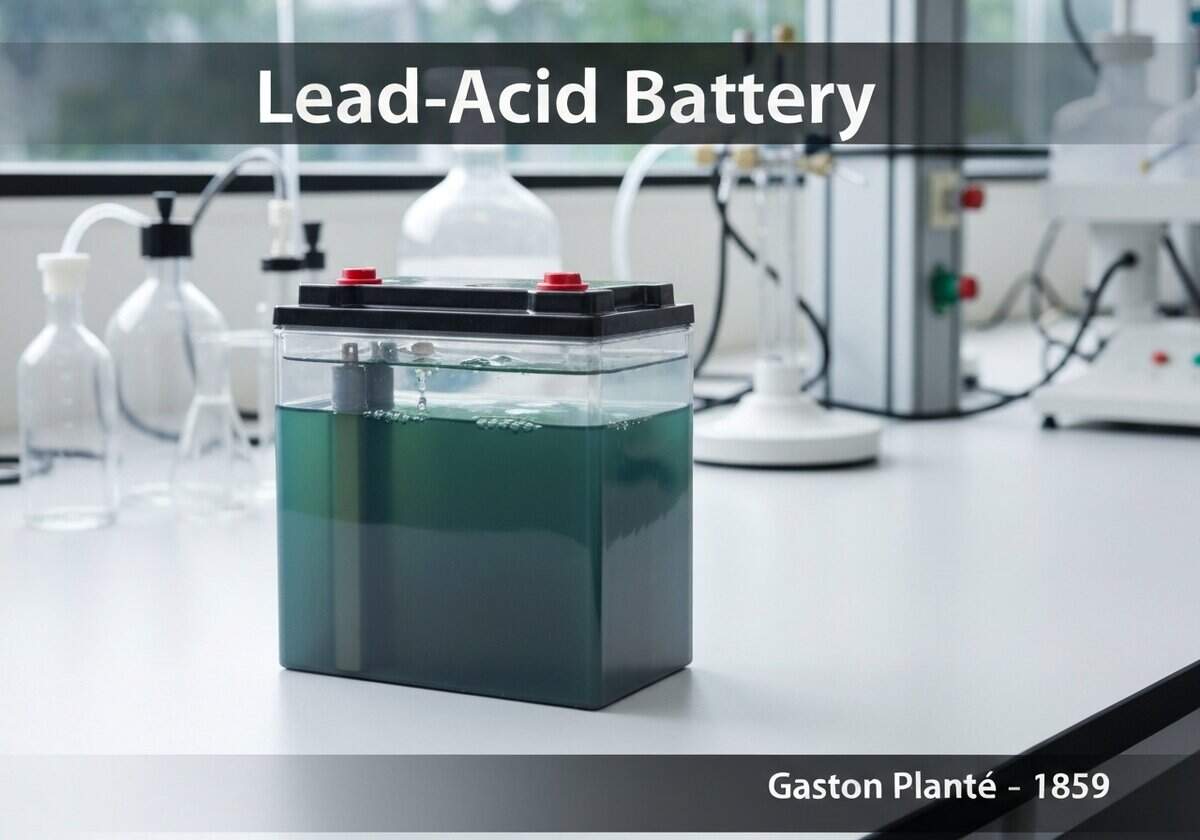
The electrochemical reactions are key to its operation. At the negative electrode (anode), lead reacts with sulfate ions from the electrolyte: [latex]Pb(s) + HSO_4^-(aq) rightarrow PbSO_4(s) + H^+(aq) + 2e^-[/latex]. At the positive electrode (cathode), lead dioxide reacts with 氢 and sulfate ions: [latex]PbO_2(s) + HSO_4^-(aq) + 3H^+(aq) + 2e^- rightarrow PbSO_4(s) + 2H_2O(l)[/latex]. During charging, these reactions are reversed. The formation and dissolution of lead sulfate on the electrodes is the core mechanism for storing and releasing energy. Despite its low energy density and the environmental concerns of lead, its low cost, reliability, and high surge current capability have ensured its continued widespread use, particularly in automotive applications.