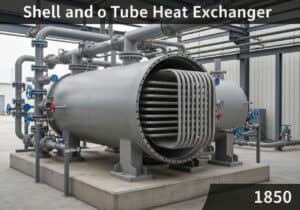
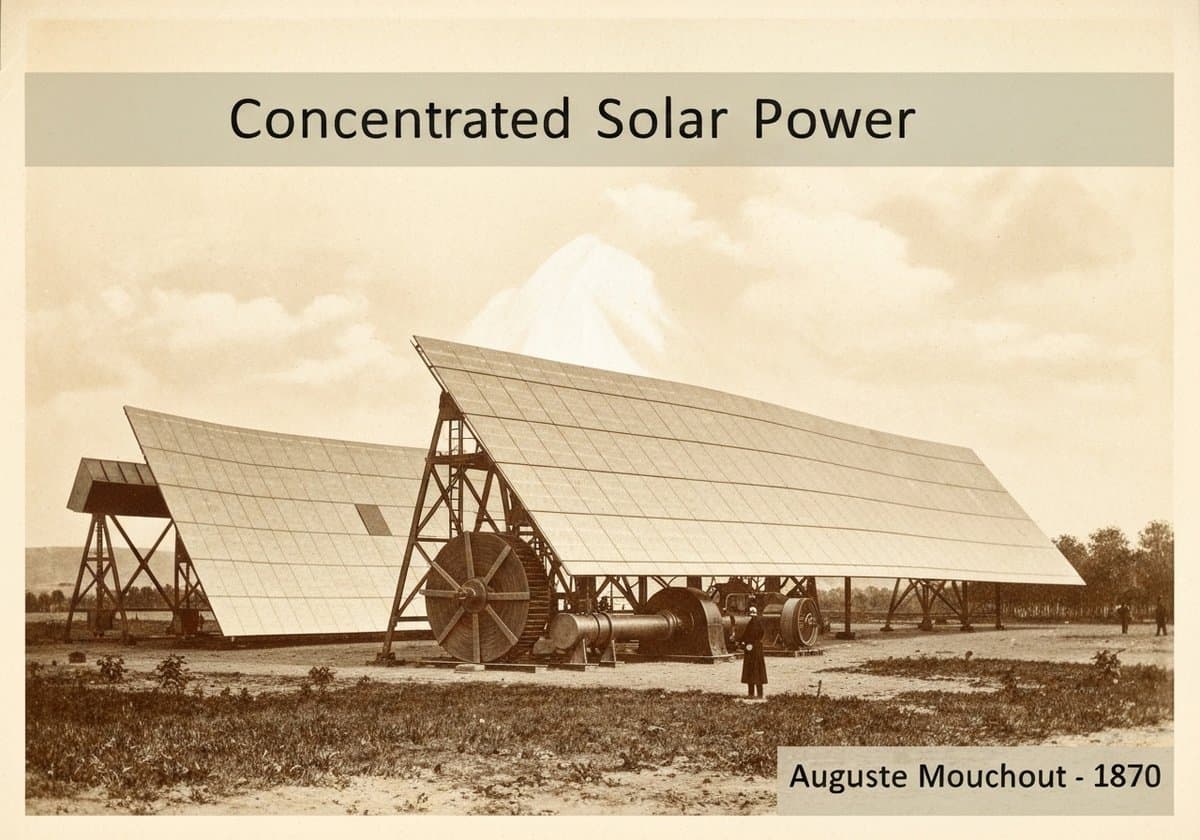
Concentrated 太阳 power technology harnesses thermal energy from the sun. There are several primary designs. Parabolic troughs use curved mirrors to focus sunlight onto a receiver tube running along the focal line, heating a fluid (like synthetic oil) that passes through it. Solar power towers, or central receivers, use a large field of computer-controlled mirrors called heliostats to track the sun and reflect its light onto a central receiver atop a tower. This receiver contains a heat-transfer fluid, such as molten salt, which can reach very high temperatures (over 565 °C). Dish-Stirling systems use a parabolic dish to focus sunlight onto a receiver at the dish’s focal point, where it heats a gas (like hydrogen or helium) to drive a 斯特灵 engine. A key advantage of CSP, particularly tower and trough designs, is the ability to integrate 热能储存. The heated fluid, often molten salt, can be stored in large insulated tanks. This stored heat can be used to generate steam and produce electricity whenever needed, including at night or during cloudy periods, making CSP a more dispatchable form of solar energy compared to photovoltaics.