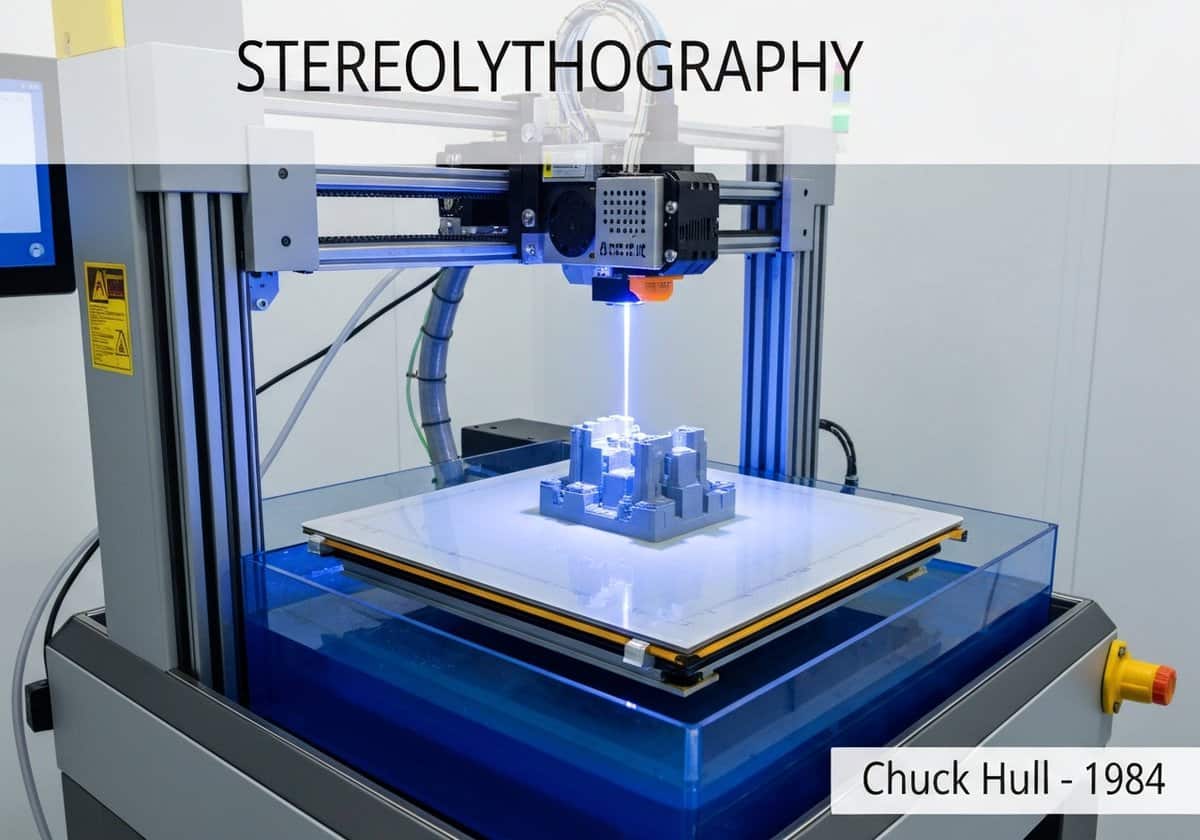
스테레오리소그래피는 액체 광중합 수지를 선택적으로 경화시키는 적층 제조 공정입니다. 자외선(UV) 레이저를 사용하여 액체 광중합 수지를 선택적으로 경화시킵니다. 제작 플랫폼을 수지에 담그면 레이저가 표면에 물체의 단면을 따라 형상을 그립니다. 그런 다음 플랫폼이 한 층 두께만큼 아래로 이동하여 새로운 수지 층이 위에 경화되도록 합니다.


(설명을 위한 생성된 이미지입니다)
스테레오리소그래피는 액체 광중합 수지를 선택적으로 경화시키는 적층 제조 공정입니다. 자외선(UV) 레이저를 사용하여 액체 광중합 수지를 선택적으로 경화시킵니다. 제작 플랫폼을 수지에 담그면 레이저가 표면에 물체의 단면을 따라 형상을 그립니다. 그런 다음 플랫폼이 한 층 두께만큼 아래로 이동하여 새로운 수지 층이 위에 경화되도록 합니다.

The SLA process begins with a 3D CAD model, which is sliced into thin horizontal layers. For each layer, the laser beam, directed by scanning mirrors, traces the corresponding pattern on the surface of the liquid photopolymer. The UV energy triggers a chemical reaction, polymerization, which solidifies the resin where the laser hits. After a layer is completed, the platform descends, and a recoater blade sweeps across the surface to ensure the next layer of liquid resin is smooth and of a consistent thickness. This cycle repeats until the entire object is built. Because parts are built in a liquid vat, they often require support structures to anchor them to the build platform and to support overhangs and islands. After printing, the part is removed from the machine, washed in a solvent (like isopropyl alcohol) to remove excess uncured resin, and then post-cured in a UV chamber to fully solidify the polymer and achieve its final 기계적 특성. SLA is known for producing parts with very high accuracy, intricate details, and a smooth surface finish, making it ideal for applications where aesthetics and precision are critical. However, the materials are often more brittle and less UV-stable than 열가소성 수지 다른 공정에서 사용됩니다.
스테레오리소그래피(SLA)
(날짜를 알 수 없거나 관련이 없는 경우, 예를 들어 "유체역학"의 경우, 주목할 만한 등장 시기를 대략적으로 추정하여 제공합니다.)

고화질 이미지 및 다운로드는 등록된 회원에게만 100% 무료로 제공됩니다.
> 로그인 <