Product Design, Manufacturing & Innovation Resources

리드 스코어링

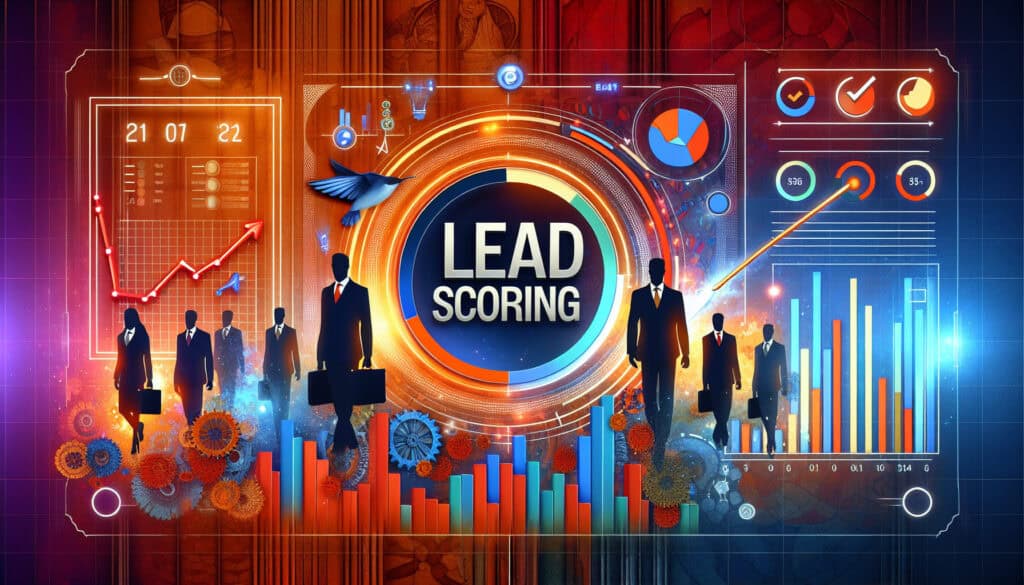
Visual of lead scoring process for sales prioritization and conversion potential analysis.

리드 스코어링

목적:

To rank leads based on their sales-readiness.

사용 방법:

장점

단점

카테고리:

다음과 같은 경우에 가장 적합합니다:

Lead Scoring utilizes a data-driven approach to evaluate potential customers based on criteria such as demographic attributes, engagement behaviors, and purchasing intent. This methodology is especially prevalent in industries such as software, e-commerce, and digital marketing, where understanding customer behavior is vital for optimizing sales strategies. The project phase where Lead Scoring is most impactful is typically during the pre-sales or lead qualification stage, as organizations seek to enhance their lead generation efforts by identifying which leads are more likely to convert into customers. Marketers and sales teams often collaborate in developing the scoring criteria, leveraging their collective knowledge on consumer behavior, past sales data, and industry trends. Advanced technologies such as machine learning can also play a significant role in refining these scores, allowing for real-time adjustments based on newly acquired data. By targeting highly scored leads, sales representatives can allocate their time more effectively, thereby enhancing the likelihood of closing deals. Additionally, customer service teams may use lead scores as a means of prioritizing follow-ups, ensuring that they engage with leads who exhibit a higher predisposition towards loyalty and longer-term engagement. This methodology not only empowers sales teams but also reinforces a data-centric culture within the organization, fostering cross-department collaboration aimed at achieving common business goals.

이 방법론의 주요 단계

  1. Define scoring criteria based on attributes and behaviors linked to high-value leads.
  2. Assign numerical values to each criterion, reflecting priority and importance.
  3. Integrate behavioral data, including engagement metrics and interactions.
  4. Calculate lead scores by applying defined criteria to existing leads.
  5. Segment leads according to their scores to prioritize outreach efforts.
  6. Continuously review and refine scoring model based on feedback and performance metrics.
  7. Implement scoring in CRM systems to automate lead prioritization and tracking.
  8. Train teams on utilizing lead scores for targeted engagement strategies.

프로 팁

  • Incorporate behavioral tracking data into your lead scoring model to enhance accuracy and reflect real-time engagement.
  • Regularly calibrate your scoring criteria based on sales feedback and conversion analysis to ensure alignment with current market dynamics.
  • Implement a multi-tiered scoring system that differentiates lead attributes for immediate vs. long-term follow-ups, optimizing resource allocation.

여러 방법론을 읽고 비교하기 위해, 저희는 다음을 추천합니다

> 광범위한 방법론 저장소  <
400가지가 넘는 다른 방법론들과 함께.

이 방법론에 대한 의견이나 추가 정보는 언제든지 환영합니다. 아래 댓글란 ↓ , 엔지니어링 관련 아이디어나 링크도 마찬가지입니다.

역사적 맥락

1914
1950
1957
1960
1960
1970
1980
1914
1942
1957
1957
1960
1965
1970
1980

(날짜를 알 수 없거나 관련이 없는 경우, 예를 들어 "유체역학"의 경우, 주목할 만한 등장 시기를 대략적으로 추정하여 제공합니다.)

관련 게시물

고화질 이미지 및 다운로드는 등록된 회원에게만 100% 무료로 제공됩니다.

> 로그인 <