Product Design, Manufacturing & Innovation Resources
» 製品デザイン » 製造業 » トヨタ生産方式(TPS):製造ガイド

トヨタ生産方式(TPS):製造ガイド

トヨタ生産方式

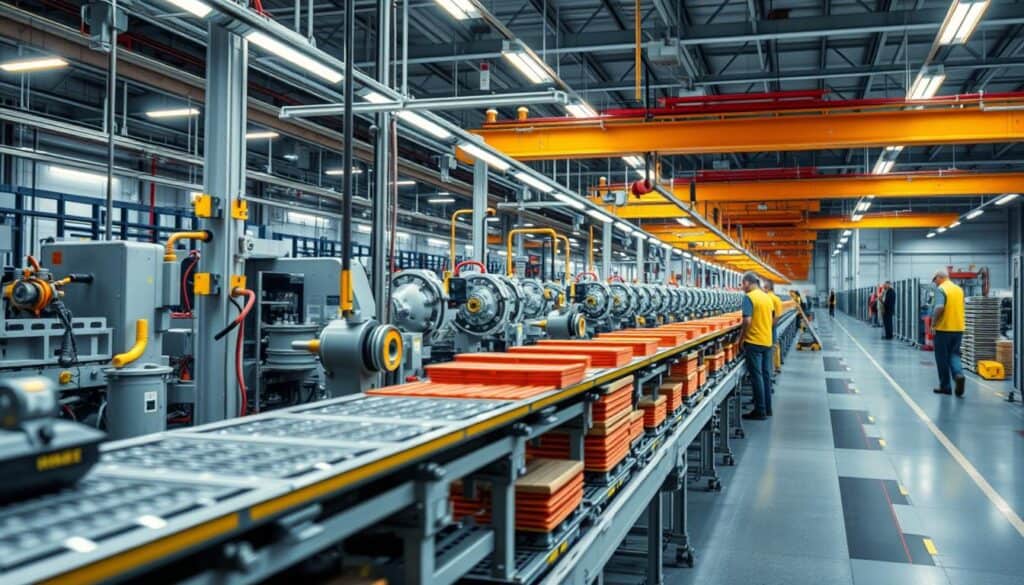
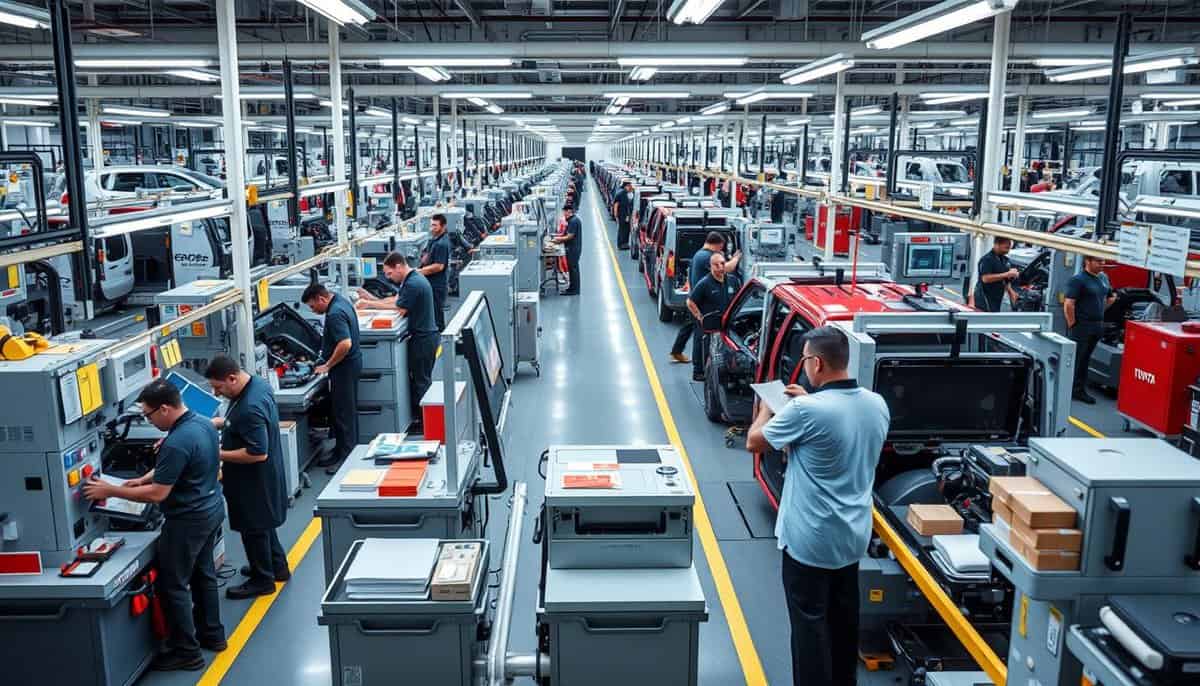
トヨタ車には3万点以上の部品が使われていることをご存知ですか?トヨタ生産方式(TPS)は、それぞれの部品が完璧に適合するように設計されています。無駄を一切なくし、納期を守ることがすべてです。このTPSは、その効率性の高さから、数十年前からリーン生産方式の標準となっています。

TPSは単なるツール以上のものです。それはトヨタの製造業に深く根付いた哲学であり、自動車からサービスまであらゆるものを網羅しています。始まりは豊田佐吉の自動織機でした。その後、豊田喜一郎と大野耐一がそれぞれのアイデアを加えました。主なアイデアは2つあります。 ジャストインタイム そして 自働化それらは、必要な時に部品が確実に準備され、不具合がすぐに修正されるようにするのに役立ちます。

ジャストインタイムと自働化を組み合わせることで、トヨタは自動車業界のリーダーとなりました。現在、世界中の企業がTPSを活用して日々改善に取り組んでいます。彼らはこれを カイゼンこれは日本語で「改善」を意味します。

主なポイント

  • トヨタ生産方式(TPS)は、自動車を構成する3万点もの部品を綿密に調整し、無駄をゼロにすることを重視している。
  • TPSは、ジャストインタイムと自働化という2つの主要な柱に基づいて構築されており、同期生産と不良管理に重点を置いている。
  • TPSのルーツは豊田佐吉の自動織機にあり、豊田喜一郎や大野耐一といった重要人物によって改良された。
  • 世界中の企業が効率と品質向上のためにTPSの原則を取り入れており、このシステムの普遍的な有効性が証明されている。
  • 継続的改善、すなわちカイゼンは、TPSの成功と継続的な妥当性において極めて重要な役割を果たします。
  • TPSは、労働者への敬意、無駄の排除、そして機械と人間の能力の最適化を重視します。

注記: この記事では特にTPSに焦点を当てています。その他のリーン手法に関する記事は以下でご覧いただけます。 イノベーションワールド :

Japanese lean history
関連項目日本のリーン生産方式の歴史:起源と発展
►


Stocks in factory
関連項目トヨタ生産方式の14のリーン原則
►


トヨタ生産方式入門

トヨタ生産方式 トヨタ生産方式(TPS)は、大野耐一と豊田英二によって1948年から1975年にかけて開発されました。効率性、無駄の削減、ジャストインタイム生産に重点を置くことで、製品の製造方法を変革しました。TPSの開発経緯と目標を理解することで、なぜ今日でも製造業のモデルとして用いられているのかが分かります。

TPSの歴史

豊田佐吉は最初に自動織機を発明し、多くの材料を節約した。 導かれた to just-in-time manufacturing, starting the TPS. Toyota outlined TPS in a 1992 booklet, updated in 1998. It aims to remove ストレス, inconsistency, and waste.

過剰生産、遅延、輸送問題、過剰在庫、不良品、従業員の不適切な活用など、8種類の無駄に対処する。

主要目標

トヨタ生産方式の主な目標は、無駄を削減し、製造効率を高め、人間のスキルを最大限に活用することです。これらは、ジャストインタイム(JIT)と自働化の原則によって実現されます。トヨタ生産方式は、自動化に人間的なアプローチを取り入れることで、生産が需要に合致するようにしています。

TPSは継続的な改善を促進し、 カイゼンそして、人を大切にする姿勢。従業員やパートナーに対するこうした敬意は、トヨタの効率性を向上させただけでなく、他の業界にとっても模範となる基準を打ち立てた。

TPSの基本原則

トヨタ生産方式(TPS)は、効率的な生産を実現するための革新的なアプローチで知られています。TPSは、より良い方法を追求し、最高品質の製品を作り、常に改善を続けることに重点を置いています。今回は、TPSの重要な概念であるジャストインタイムと自働化について見ていきましょう。

ジャストインタイム

ジャストインタイム(JIT)はTPSにとって非常に重要です。JITとは、生産を顧客の実際のニーズに密接に合わせることで、コストと無駄を削減することです。必要な時に必要な分だけ製品を生産することで、JITはスムーズかつ効率的な生産を実現します。

JIT(ジャストインタイム)の大きな利点の1つは、機械のセットアップ時間の短縮です。トヨタは、この時間を数ヶ月からわずか数時間、あるいは数分にまで短縮することに成功しました。この迅速な変更により、時間や資源を無駄にすることなく、さまざまな製品を生産することが可能になります。

  • 過剰生産と過剰在庫を削減する
  • 資源利用効率を高める
  • 柔軟な製造を促進する

自働化

自働化とは「人間の手を加えた自動化」を意味します。問題が発生した場合は作業員が生産を停止できるようにすることで、高い品質を維持することを目的としています。こうすることで、品質チェックが製造工程の一部となり、不良品が次の工程に進むことがなくなります。

自働化は、誰もが間違いをすぐに発見し、修正することを奨励します。これにより、全員が責任感を持ち、継続的に学び合うチームを構築できます。さらに、問題を即座に解決することで、トヨタの無駄の削減にも貢献します。

  • 製品の品質を向上させる
  • 労働者の能力を高める
  • 即時的な問題解決によって無駄を排除する

ジャストインタイム

ジャストインタイムと自働化はTPSの中核であり、より優れた、より効率的な製造方法へとつながります。これらの考え方は、トヨタがよりスマートに働くことを可能にするだけでなく、全員が品質と責任を追求するよう促します。

原理主な側面利点
ジャストインタイム需要主導型の生産、最小限の在庫過剰生産の削減、柔軟な製造
自働化人間味のある自動化、品質管理製品品質の向上、従業員の能力強化

Implementation of Lean Manufacturing in TPS

The Toyota Production System (TPS) is a leading example of リーン生産方式. It relies on Just-in-Time (JIT) production and the autonomation principle, Jidoka. TPS focuses on カイゼン, or continuous improvement. This approach values small changes that lead to major improvements over time.

Continuous Improvement (Kaizen)

Kaizen is central to TPS and its goal of constant improvement. It creates a culture where everyone suggests small changes. These changes may seem small, but they lead to big improvements in efficiency and quality. Kaizen also focuses on cutting waste, making sure all resources are used well.

Waste Reduction Techniques

Reducing waste is key to リーン生産方式 in TPS. The goal is to find and eliminate waste, or ムダ. Analyzing processes helps find and fix inefficiencies like too much inventory, unnecessary steps, and mistakes. The 5S method—Seiri (並べ替え) そして Seiton (organizing)—helps keep spaces clean and efficient, which reduces waste.

Kanban as a Production Control System

Kanban is a visual system that TPS uses to improve and control production. It uses cards to make sure production matches demand. This avoids overproduction, delays, and too much inventory. Kanban helps work move smoothly through different stages, making production efficient and balanced.

Lean Concept説明TPS Implementation
カイゼンContinuous improvement by making small, incremental changesEncourages employee suggestions for waste elimination and process enhancement
廃棄物削減Identifying and eliminating non-value-added activitiesEmploys 5S methodology, focusing on removing inefficiencies and optimizing resources
KanbanVisual scheduling system to manage workflow and productionUses cards to control production, aligning with JIT principles to minimize overproduction

Difference Between TPS and Other Lean Manufacturing Systems

The Toyota Production System (TPS) is a leader in lean manufacturing within the Toyota group. This includes companies like Denso and Aichi Steel. Lean manufacturing, made popular by “The Machine That Changed the World,” is inspired by TPS but varies in its approach. Knowing how TPS and lean systems differ helps us understand their impact on manufacturing efficiency and productivity.

Efficiency Rates: TPS is known for its high efficiency rates. This is because it focuses on solving problems quickly and improving all the time. As a result, processes are smoother and there is less downtime.

廃棄物削減: TPS points out seven types of waste, whereas lean systems usually have eight. Yet, TPS often reduces waste more effectively. It uses Just-In-Time (JIT) and Jidoka methods to do this.

コスト削減: Using TPS can save more money than other lean systems. Companies that use TPS spend less on production and use resources better.

The TPS philosophy integrates principles like Customer First and Respect for People, driving a culture focused on systemic problem-solving and efficiency, in contrast to lean’s more toolbox-oriented approach.

Adoption Rates: Companies that choose TPS tend to stick with it longer. They have more success compared to those using other lean methods. This shows that Toyota’s core principles have a lasting impact on operations.

Employee Satisfaction: Surveys show that employees are happier in TPS companies. They feel valued and supported. This positive work environment boosts TPS’s effectiveness.

側面TPSOther Lean Systems
Efficiency Ratesより高い適度
廃棄物削減More EffectiveLess Effective
コスト削減Significant適度
Employee Satisfactionより高いより低い

Reliability rates show that TPS organizations run more smoothly. Their processes are more dependable than those in other lean companies. This comes from TPS’s thorough and philosophical approach.

The comparison of TPS vs. lean systems highlights key differences. TPS takes a complete and thoughtful strategy, focusing on long-term success. On the other hand, lean manufacturing uses more specific and tool-driven methods. These differences affect waste management, cost savings, and worker happiness, showing TPS’s unique benefits.


Challenges in Adopting the Toyota Production System

The Toyota Production System (TPS) requires a big commitment to change how things are done. It’s known for its zero defects, just-in-time production, and getting rid of waste. This means companies have to really follow its strict rules.

TPS has been studied in more than 40 manufacturing places. These include industries like aerospace and consumer products. However, it’s tough to put its principles into action often.

Starting with TPS can be costly. It means spending a lot of money on new tech, teaching people, and setting up the right environment. It also demands that everyone does their tasks very accurately. For example, they must fit a car seat in 55 seconds.

People might not like changing how they work. TPS asks for doing jobs in special steps which may be new. Workers and their bosses might prefer the old ways. This makes it crucial to have strong leaders who are dedicated to making big changes.

TPS also faces hurdles when used in different cultures, such as in the USA, UK, and parts of Asia. Each place works differently. To spread TPS everywhere, companies need to adjust their teaching and keep on improving to overcome these differences.

To overcome these challenges, it’s important to fully embrace TPS’s key ideas. This means always trying to do better, getting rid of waste, and being efficient. Leaders must be committed, processes standardized, and everyone must keep learning and growing.

ChallengesSolutions
Initial setup costsInvest in technology, training, and infrastructure
Resistance to changeStrong leadership and cultural transformation commitment
Cultural differencesCustomized training and continuous improvement programs
Highly specified sequencingAdherence to standardized procedures and detailed training

The Role of Human Factor in TPS

The Toyota Production System (TPS) proves that humans are key to success. Companies globally aim to copy TPS’s efficiency. But Toyota’s culture, which values people and constant growth, is hard to match.

Human factors in tps

Training and Development

TPS stresses the importance of in-depth training. It helps employees pinpoint flaws and invent solutions. Businesses driven by TPS see their staff as invaluable assets. They invest in their growth to stay ahead.

Toyota boosts its team through ongoing evaluations and rewards. These methods attract talent, build leaders, strengthen teamwork, and encourage humility.

Respect for People

Respecting its workforce is a cornerstone of Toyota’s approach. This focus has been a large part of its triumph. It aims to offer a work environment where everyone feels important and respected.

Toyota follows a value-based system that cares about how goals are met, not just the outcomes. The company also supports 仕事 security, avoiding layoffs even during tough times. This shows its strong commitment to its employees.

A study highlighted Toyota’s top-notch productivity and quality. It involved visiting 11 countries and talking to 220 Toyota staff. Over six years, the research analyzed Toyota’s strategies and outcomes. For example, its Takaota plant in Japan took 16 hours to build a car. This was much faster than General Motors’ Framington plant, which took 31 hours.

The difference in quality was also stark, with Toyota cars showing far fewer defects. Lean production systems like TPS can massively boost productivity and quality. They focus on reducing waste and giving workers more control. This leads to better stock management, lower storage costs, and quicker production times. Ultimately, it results in happier employees and superior performance.

PlantAssembly Hours per CarDefects per 100 Cars
Toyota Takaota1645
GM Framington31135

Is the Toyota Production System Still Relevant Today?

TPS is still vital in manufacturing and service sectors today. The core of TPS, ジャストインタイム production and 自働化 (automation with a human touch), provides significant advantages. As we merge automation, AI, and data analytics, TPS’s flexibility and adaptability are essential.

Relevance of tps

Kaizen, or continuous improvement, is always important. It enhances efficiency and quality. The ‘Five Whys’ method helps us solve problems effectively and quickly. Also, TPS helps us navigate the challenges of new technology in cars, like electric vehicles and self-driving tech.

TPS emphasizes quality and making customers happy, helping brands keep their followers. It promotes teamwork and valuing each person at the company. This focus helps Toyota maintain its status by keeping quality high and improving continuously.

Table: Evolving Applications of TPS in Modern Industries

側面Traditional TPSModern TPS Applications
Production TechniquesJust-in-Time, JidokaIntegration of AI, automation
Problem-SolvingFive Whys 技術Data Analytics, Machine Learning
Continuous Improvement (Kaizen)Employee-Driven InitiativesReal-time Feedback Loops
Customer SatisfactionHigh-Quality, Reliable ProductsPersonalized, Data-driven Solutions

結論

TPS stands for more than just making cars. It’s a full-on belief system about working smart, keeping quality high, and treating people right. It started with Taiichi Ohno’s big ideas in the 1950s. Since then, it has helped Toyota become a top carmaker by the 2000s.

At TPS’s heart are two main ideas: Just-in-Time and Jidoka. They help cut down on waste and make everything run smoother. Toyota sticks to making what’s needed, right when it’s needed. This approach works well in all kinds of fields, not just car making.

It’s been a game-changer in healthcare, government, and for smaller companies. The system’s knack for driving continuous improvement and valuing people’s contributions makes it a model for others. In summary, TPS shows how focusing on smart, respectful, and efficient work can lead industries to do better, for now and the future.

Seen the evolution of technologies in the automotive industry in particular, it would be narrow-minded view not to mention that

A perfectly optimized and flexible production is a must but will not compensate any lack of innovation or technology breakthroughs.

よくある質問

トヨタ生産方式(TPS)とは何ですか?

トヨタ生産方式(TPS)は、トヨタが開発した、より良い製品を作るためのよく知られた手法です。無駄を排除し、製品の品質を向上させることで、効率を高めるのに役立ちます。リーン生産方式の原則もその一部であり、世界中のさまざまな産業で活用されています。

トヨタ生産方式はどのようにして生まれたのか?

TPSは、豊田佐吉による材料節約を目的とした自動織機の発明から始まった。豊田喜一郎はこのアイデアを発展させ、ジャストインタイム生産方式を導入した。これがTPSの基礎となった。

TPSの中核的な目的は何ですか?

TPS(トヨタ生産方式)は、無駄を排除し、製造工程を改善し、人間のスキルを活用して高品質な製品を効率的に生産することを目的としています。そのために、リーン生産方式、ジャストインタイム方式、カイゼンといった原則を活用しています。

TPSにおけるジャストインタイム(JIT)とは何ですか?

TPSにおけるジャストインタイム(JIT)とは、必要な時に必要な分だけ製品を製造するという原則です。この原則により、在庫コストが削減され、生産がよりスムーズかつ効率的になります。

TPSは他のリーン生産方式とどのように異なるのですか?

TPSは、ジャストインタイムと自働化の両方に重点を置いている点で独特です。最初から適切なタイミングでの生産と品質を目指します。他のシステムは、無駄の削減や生産調整のみに焦点を当てる場合が多いでしょう。

TPS(トヨタ生産方式)を導入する際の一般的な課題にはどのようなものがありますか?

TPSの導入は、文化的な違い、コスト、そして変化を望まない人々といった要因から困難を伴う場合があります。成功には、文化変革への強い意志、継続的な研修、そしてリーダーシップによる支援が不可欠です。

TPSは現代の産業において依然として有効なのでしょうか?

はい、TPSは今日でも非常に重要です。効率性、柔軟性、そして高品質を重視するTPSは大きな利点をもたらします。TPSは新たな経済や技術の変化にも容易に適応できるため、製造業やサービス業において非常に価値があります。

トヨタ生産方式リーン生産方式に関する外部リンク

(リンクにカーソルを合わせると、コンテンツの説明が表示されます)

用語集

Just In Time (JIT): 製造工程で必要な時に必要な分だけ商品を受け取ることで在庫コストを削減し、無駄を最小限に抑え、効率性を向上させることを目的とした生産戦略。

Toyota Production System (TPS): 廃棄物の削減、継続的な改善、効率的な生産フローを重視し、ジャストインタイムや自働化などの技術を活用して品質と業務効率を向上させる製造方法論。

取り上げるトピック: トヨタ生産方式(TPS)、ジャストインタイム、自働化、リーン生産方式、カイゼン、無駄の削減、効率化、継続的改善、自動化、品質管理、不良管理、資源活用、フレキシブル生産、ムダ、5S、需要主導型生産、自律化。

歴史的背景

1930
1930
1934
1940
1940
1940
1940
1930
1930
1930
1940
1940
1940
1940
1940

(日付が不明または関連性がない場合、例えば「流体力学」などでは、その注目すべき出現時期の概算値が提示されます。)

フルサイズの画像とダウンロードは、登録会員のみが100%無料で利用できます。