
最新の出版物:熱可塑性樹脂に関する特許
This week: exclusion device, tissue engagement, porous surface, textile material, artificial leather, ultrafine fibers, polymeric elastic bodies, manufacturing method, polyethylene,
 リサイクル works when three conditions meet: the material can be identified, it can be separated, and the recovered grade has a buyer. Fail on one and the item is landfilled or burned, whatever the logo on the pack says.
Design decides most of this. Mono-material parts, removable fasteners and marked polymers raise recovery rates far more than any sorting technology downstream. The articles below give the technical ground: プラスチックのリサイクルに向けた化学的プロセス, a logic tree to identify an unknown plastic, thermoplastics compared with thermosets, and the difference between recycling and upcycling.
循環型経済 practices and life cycle assessment place recycling in a wider frame, and reverse engineering is presented as a tool for repair and reuse. See also 持続可能な素材 そして 生分解性プラスチック.
This week: exclusion device, tissue engagement, porous surface, textile material, artificial leather, ultrafine fibers, polymeric elastic bodies, manufacturing method, polyethylene,

This week: microcapsule, UV filter, emulsification, sol-gel, indole derivatives, spike protein, ACE2 inhibitors, respiratory viruses, catalyst, zeolite, upcycling, aromatics, Polyester

This week: battery storage, lithium-ion batteries, smart battery management systems, energy density, dsb-sc modulation, driving circuit, energy recycling, amplitude-following, thermal
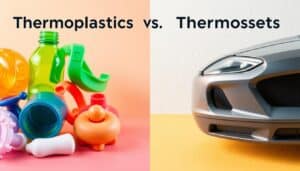
エポキシ樹脂のような熱硬化性プラスチックは、硬化後に耐熱性が高まることをご存知でしたか?また、化学的安定性も高まります。

Did you know every year we throw away materials worth about $2.6 trillion? These are from goods we use quickly

Life Cycle Assessment (LCA) uncovers the hidden environmental costs of our daily items. It shows more than 70% of a

An amazing 75% of aluminum made in the USA is still being used today. This is thanks to recycling. This
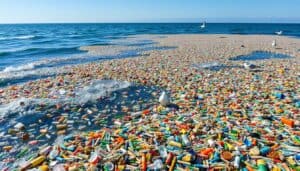
The term “plastic continent” brings to mind huge areas of ocean trash. It shows a serious pollution problem. Since the
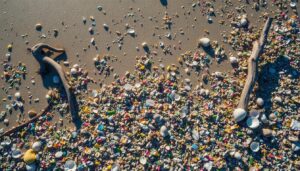
Did you know that plastic makes up 60% to 80% of marine waste? Shockingly, 90% of floating waste in seas
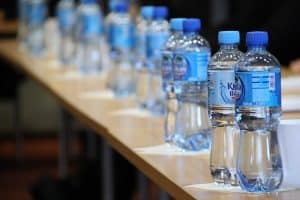
ペットボトルは、その性能の高さと価格の安さから、プラスチック部品の中で最も生産量の多い消耗品となっている。