Product Design, Manufacturing & Innovation Resources

モデル検査

モデル検査

モデル検査

客観的:

システムのモデルが指定された仕様を満たしているかどうかを自動的にチェックする。

使用方法:

長所

短所

カテゴリー:

最適な用途:

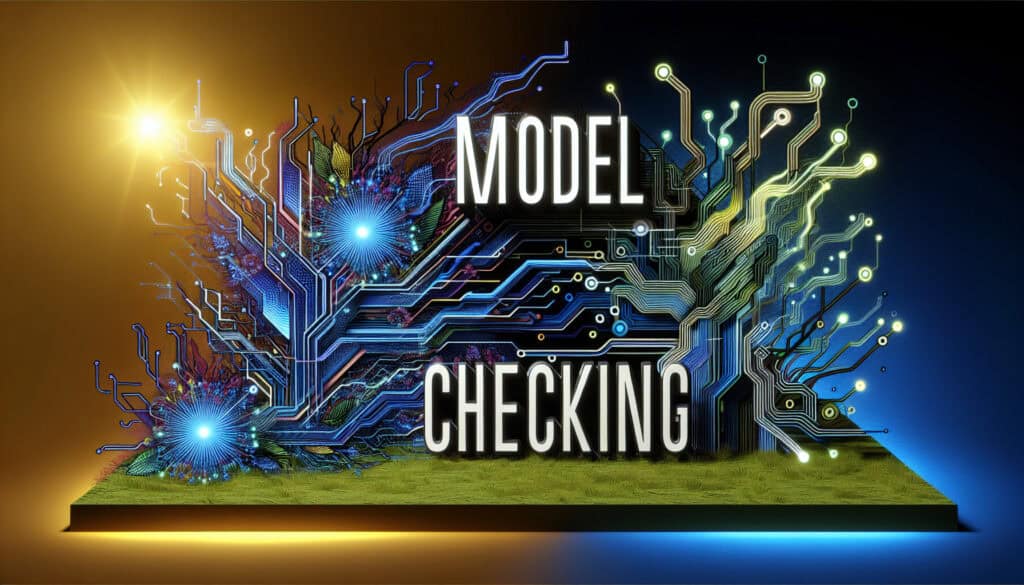
Model Checking is widely applied in various domains such as telecommunications, automotive, aerospace, and medical devices, where system reliability and safety are paramount. In these industries, where failures can result in catastrophic consequences, the methodology can be employed during different phases of project development, including the design and verification stages, to ensure that specifications are met without ambiguity. Participants in this process typically include software engineers, hardware designers, and verification engineers who collaborate to define the properties that the system must satisfy. Examples include verifying communication protocols in network systems, ensuring that algorithms for automated vehicles adhere to safety constraints, or checking signal processing systems for correctness in safety-critical applications. The automated nature of Model Checking allows it to explore a comprehensive state space, identifying corner cases and edge situations that manual testing might overlook, thereby enhancing the reliability of the system. Tools such as Spin, NuSMV, and PRISM are specifically designed for these purposes, providing interfaces for model description and property specification, making them accessible to technical teams across different domains for effective verification. The adoption of Model Checking not only improves the assurance of system correctness but also reduces time-to-market by catching defects early in the development cycle.

この方法論の主なステップ

  1. システムモデルと抽象化レベルを定義し、関連するすべてのシステム動作を確実に捉えるようにしてください。
  2. 検証する特性を、時相論理またはその他の形式言語を用いて指定します。
  3. システムの状態空間表現を構築します。これには、状態、遷移、および変数が含まれます。
  4. モデル検査アルゴリズムを適用して、状態空間を網羅的に探索する。
  5. 指定された特性が状態空間に対して満たされているかどうかを確認する。
  6. 点検プロセス中に違反が認められた物件を特定し、記録する。
  7. 特定された問題に対処し、システムモデルを改良するために、モデルと検証プロセスを繰り返し実施する。

プロのヒント

  • モデル検査中に生成された反例を、システム設計の改良や根本的な仕様上の問題点の検出の基礎として活用する。
  • 重要な特性を保持しつつ状態空間を管理するために、抽象化技術を適切に実装し、パフォーマンスと検証の完全性のバランスを取る。
  • システム変更を段階的に検証するために、増分モデル検査を採用することで、システム全体を完全に再評価することなく、効率的に回帰を検出できるようになります。

複数の方法論を読み比べて、 私たちは、

> 包括的な方法論リポジトリ  <
400以上の他の手法と併せて。

この方法論に関するご意見や追加情報は、 以下のコメント欄 ↓、エンジニアリング関連のアイデアやリンクも同様です。

歴史的背景

1970
1970-01-01
1975-06-01
1980
1980
1980
1986-01-01
1970
1970
1973
1980
1980
1980
1982-07-01
1988-06-01

(日付が不明または関連性がない場合、例えば「流体力学」などでは、その注目すべき出現時期の概算値が提示されます。)

フルサイズの画像とダウンロードは、登録会員のみが100%無料で利用できます。