A systematic 方法 for waste minimization within a 製造 system without sacrificing productivity.
使用方法:
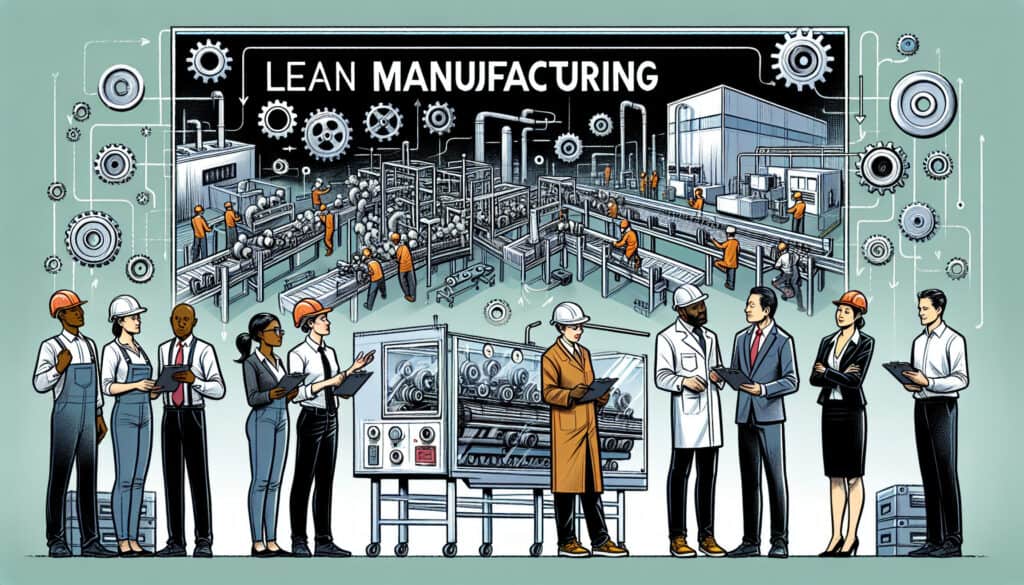
A production philosophy that focuses on eliminating waste and maximizing value for the customer. It is based on a set of principles, such as continuous improvement, just-in-time production, and respect for people.
長所
Reduces costs and improves efficiency; Improves quality and customer satisfaction.
短所
Can be difficult to implement and sustain; Requires a significant cultural change.
カテゴリー:
リーンシックスシグマ, 製造業
最適な用途:
Improving the efficiency and effectiveness of a manufacturing system by eliminating waste.
Lean Manufacturing finds broad application across various sectors, particularly in automotive, aerospace, consumer goods, electronics, and healthcare, where efficiency is paramount. In the automotive industry, for example, Toyota pioneered this methodology, which has been adopted globally to enhance productivity while simultaneously reducing costs. The approach is particularly effective during the design and development phases of a product, encouraging cross-functional teams to collaborate in identifying and eliminating non-value-added activities early in the process. Participants in this methodology typically include engineers, designers, production staff, and management, creating a culture of continuous improvement where every member is empowered to suggest enhancements. The Just-In-Time (JIT) production component of Lean Manufacturing minimizes inventory levels, ensuring that materials arrive precisely when needed, thus reducing carrying costs and increasing response times. Techniques such as Value Stream Mapping are utilized to visualize processes and identify waste, making it easier for teams to understand where improvements can be made. Organizations implementing Lean often observe significant gains in quality and customer satisfaction, as the focus on value ensures that products meet or exceed customer expectations, while decreased waste leads to more sustainable practices and optimization of resource use. By prioritizing respect for individuals, Lean also cultivates a work environment conducive to innovation, with employees encouraged to take ownership and responsibility for their contributions.
この方法論の主なステップ
顧客の視点から価値を特定する。
Map the value stream to visualize and analyze the flow of materials and information.
Eliminate non-value-added activities to reduce waste.
Create flow by ensuring smooth transitions and minimal interruptions in the production process.
Establish pull by producing only what is needed, when it is needed.
Pursue perfection through continuous improvement and iterative problem-solving.
Implement standardized work to maintain best practices and improve efficiency.
Encourage employee involvement and empowerment to utilize their insights for improvements.
プロのヒント
Implement value stream mapping to identify non-value-added activities and visualize workflow inefficiencies, allowing for targeted interventions.
Adopt a structured problem-solving approach, like the A3 methodology, to facilitate root cause analysis and promote a culture of continuous improvement.
Engage cross-functional teams in daily stand-up meetings to enhance communication and immediate issue-resolution, reducing delays and improving responsiveness.