Product Design, Manufacturing & Innovation Resources

Manufatura Enxuta

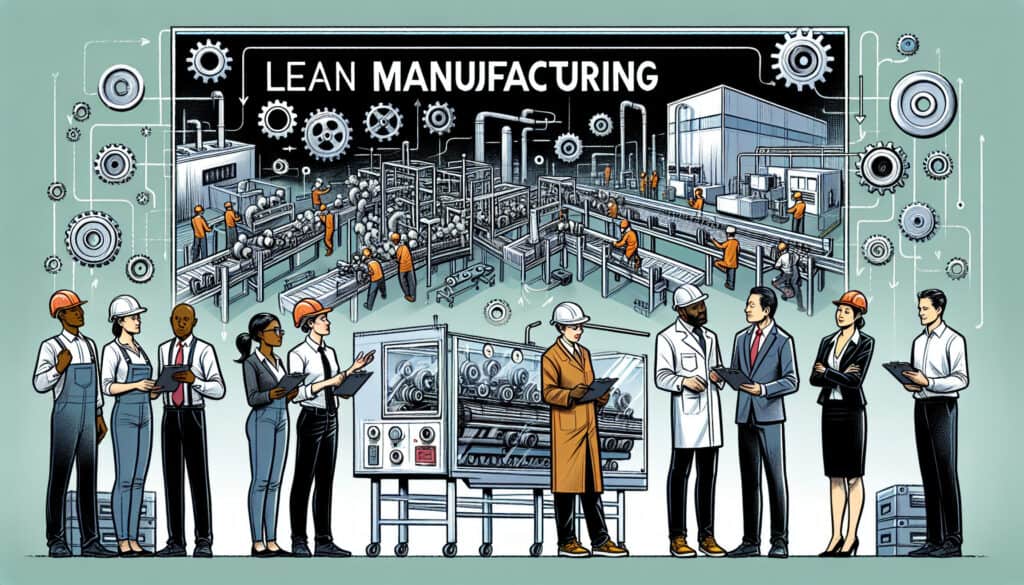
Manufacturing plant implementing lean strategies to reduce waste and increase efficiency.

Manufatura Enxuta

Objetivo:

A systematic método for waste minimization within a fabricação system without sacrificing productivity.

Como é usado:

Prós

Contras

Categorias:

Ideal para:

Lean Manufacturing finds broad application across various sectors, particularly in automotive, aerospace, consumer goods, electronics, and healthcare, where efficiency is paramount. In the automotive industry, for example, Toyota pioneered this methodology, which has been adopted globally to enhance productivity while simultaneously reducing costs. The approach is particularly effective during the design and development phases of a product, encouraging cross-functional teams to collaborate in identifying and eliminating non-value-added activities early in the process. Participants in this methodology typically include engineers, designers, production staff, and management, creating a culture of continuous improvement where every member is empowered to suggest enhancements. The Just-In-Time (JIT) production component of Lean Manufacturing minimizes inventory levels, ensuring that materials arrive precisely when needed, thus reducing carrying costs and increasing response times. Techniques such as Value Stream Mapping are utilized to visualize processes and identify waste, making it easier for teams to understand where improvements can be made. Organizations implementing Lean often observe significant gains in quality and customer satisfaction, as the focus on value ensures that products meet or exceed customer expectations, while decreased waste leads to more sustainable practices and optimization of resource use. By prioritizing respect for individuals, Lean also cultivates a work environment conducive to innovation, with employees encouraged to take ownership and responsibility for their contributions.

Etapas principais desta metodologia

  1. Identificar valor a partir da perspectiva do cliente.
  2. Map the value stream to visualize and analyze the flow of materials and information.
  3. Eliminate non-value-added activities to reduce waste.
  4. Create flow by ensuring smooth transitions and minimal interruptions in the production process.
  5. Establish pull by producing only what is needed, when it is needed.
  6. Pursue perfection through continuous improvement and iterative problem-solving.
  7. Implement standardized work to maintain best practices and improve efficiency.
  8. Encourage employee involvement and empowerment to utilize their insights for improvements.

Dicas profissionais

  • Implement value stream mapping to identify non-value-added activities and visualize workflow inefficiencies, allowing for targeted interventions.
  • Adopt a structured problem-solving approach, like the A3 methodology, to facilitate root cause analysis and promote a culture of continuous improvement.
  • Engage cross-functional teams in daily stand-up meetings to enhance communication and immediate issue-resolution, reducing delays and improving responsiveness.

Para ler e comparar diversas metodologias, Recomendamos o

> Repositório abrangente de metodologias  <
juntamente com mais de 400 outras metodologias.

Seus comentários sobre esta metodologia ou informações adicionais são bem-vindos em [link para o site/plataforma]. seção de comentários abaixo ↓, assim como quaisquer ideias ou links relacionados à engenharia.

Contexto histórico

1930
1930
1934
1940
1940
1940
1940
1930
1930
1930
1940
1940
1940
1940
1940

(Caso a data seja desconhecida ou irrelevante, por exemplo, "mecânica dos fluidos", é fornecida uma estimativa aproximada de seu surgimento notável)

Posts relacionados

Imagens em tamanho real e downloads estão disponíveis apenas, 100% gratuitos, para membros registrados.