Product Design, Manufacturing & Innovation Resources
» ブロックバスター医薬品モデル

ブロックバスター医薬品モデル

1980
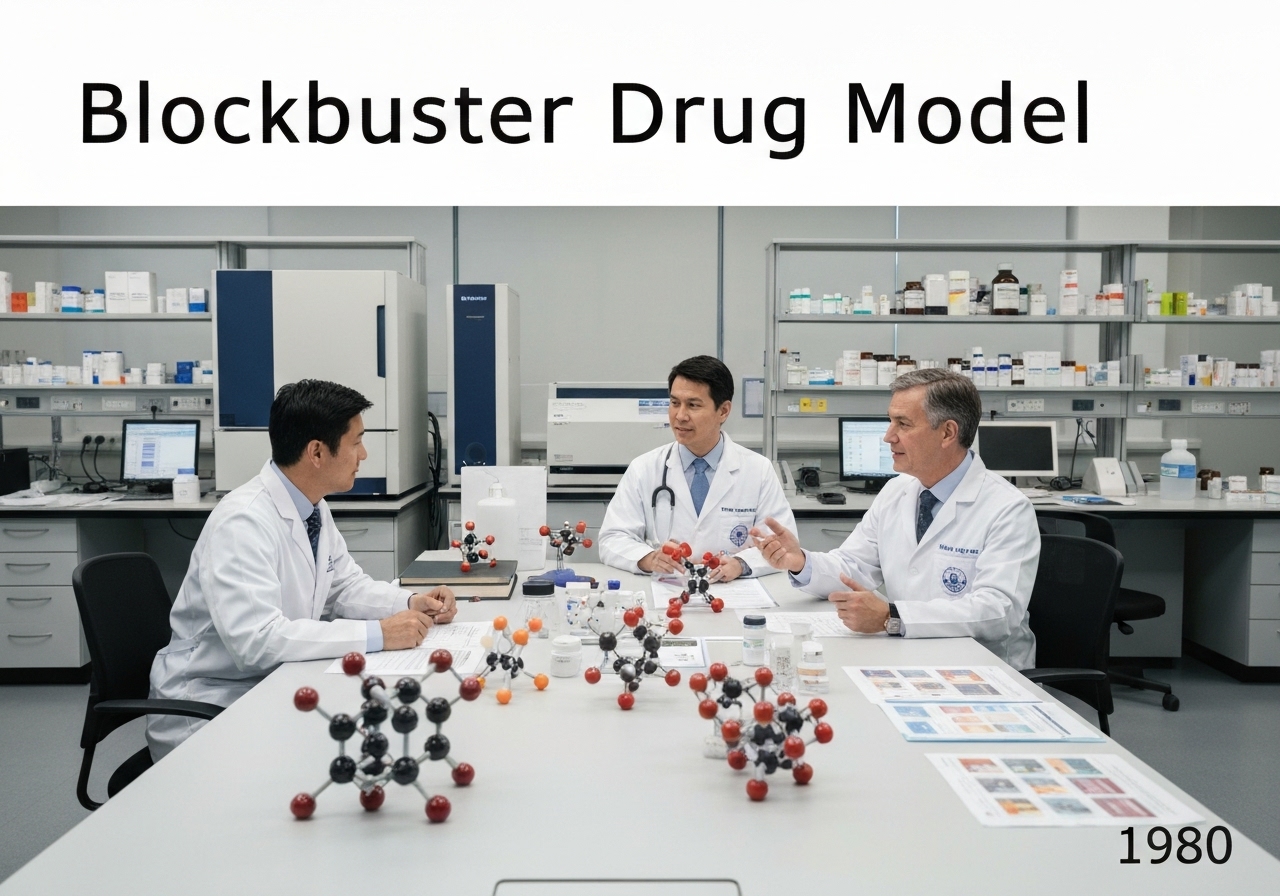
Pharmaceutical research laboratory focused on blockbuster drug development.

(画像はイメージです)

「ブロックバスター医薬品」とは、製造元に年間10億ドル以上の売上をもたらす医薬品のことです。このビジネスモデルは、歴史的に製薬業界を牽引してきました。研究開発(R&D)は、特許で保護された収益を最大化するために、一般的な慢性疾患に集中しています。この収益は、新たな医薬品開発のためのさらなる研究開発資金となり、イノベーションと高収益のサイクルを生み出しています。


The blockbuster model became the dominant strategy for large pharmaceutical companies in the late 20th century. The model relies on developing and patenting a drug that can treat a widespread chronic condition, such as high cholesterol (e.g., Lipitor), acid reflux (e.g., Prilosec), or depression (e.g., Prozac). Once approved, the company launches a massive marketing campaign aimed at both physicians and consumers (in countries where direct-to-consumer advertising is legal). The goal is to achieve widespread prescription and capture a large market share. The drug’s patent provides a period of market exclusivity, typically 20 years from the filing date, during which the company can charge high prices without competition from generic versions. The enormous profits generated during this period are used to recoup the substantial R&D investment—often exceeding $1 billion per approved drug—and to fund the development of the next generation of potential blockbusters. However, this model faces significant challenges. The “low-hanging fruit” of common diseases has largely been addressed, making new discoveries more difficult. Increased pressure from payers (governments and insurance companies) to control costs, and the looming “patent cliff” (when patents for multiple blockbuster drugs expire around the same time), have forced the industry to reconsider this strategy. Many companies are now shifting towards developing more specialized, high-value drugs for smaller patient populations, such as orphan drugs for rare diseases or personalized cancer therapies, which can command even higher prices per patient.

UNESCO Nomenclature: 5312
―技術変化の経済学

タイプ

抽象システム

混乱

増分

使用法

広く普及している

前駆物質

  • アメリカのバイ・ドール法(1980年)は、大学の研究成果の商業化を促進した。
  • the hatch-waxman act (1984), which established the modern system of patent extensions and generic drug approvals
  • advances in molecular biology that enabled rational drug design for common disease targets
  • マネージドケアと大規模保険支払者の増加

アプリケーション

  • 大手製薬会社(ビッグファーマ)のビジネス戦略
  • 大規模研究開発プログラムのための資金調達メカニズム
  • 大規模な患者集団を対象としたマーケティングおよび販売戦略
  • 特許期間中の高額な医薬品価格の正当化

特許:

NA

潜在的なイノベーションのアイデア

ボットによるトラフィック(現在1日あたり4万件以上)を排除するため、このコンテンツはコミュニティメンバー限定となっています。
> ログイン < または > 登録 < (100%無料)でこれにアクセスできます。他のすべての制限付きコンテンツとツールも同様です。

関連キーワード:ブロックバスター医薬品、医薬品経済学、大手製薬会社、特許切れ、薬価、研究開発、マーケティング、リピトール、知的財産、ジェネリック医薬品。

歴史的背景

ブロックバスター医薬品モデル

1960
1970
1980
1980
1986
1990
1992
1960
1965
1970
1980
1983
1990
1992
1994

(日付が不明または関連性がない場合、例えば「流体力学」などでは、その注目すべき出現時期の概算値が提示されます。)

関連する発明、革新、および技術原理

フルサイズの画像とダウンロードは、登録会員のみが100%無料で利用できます。