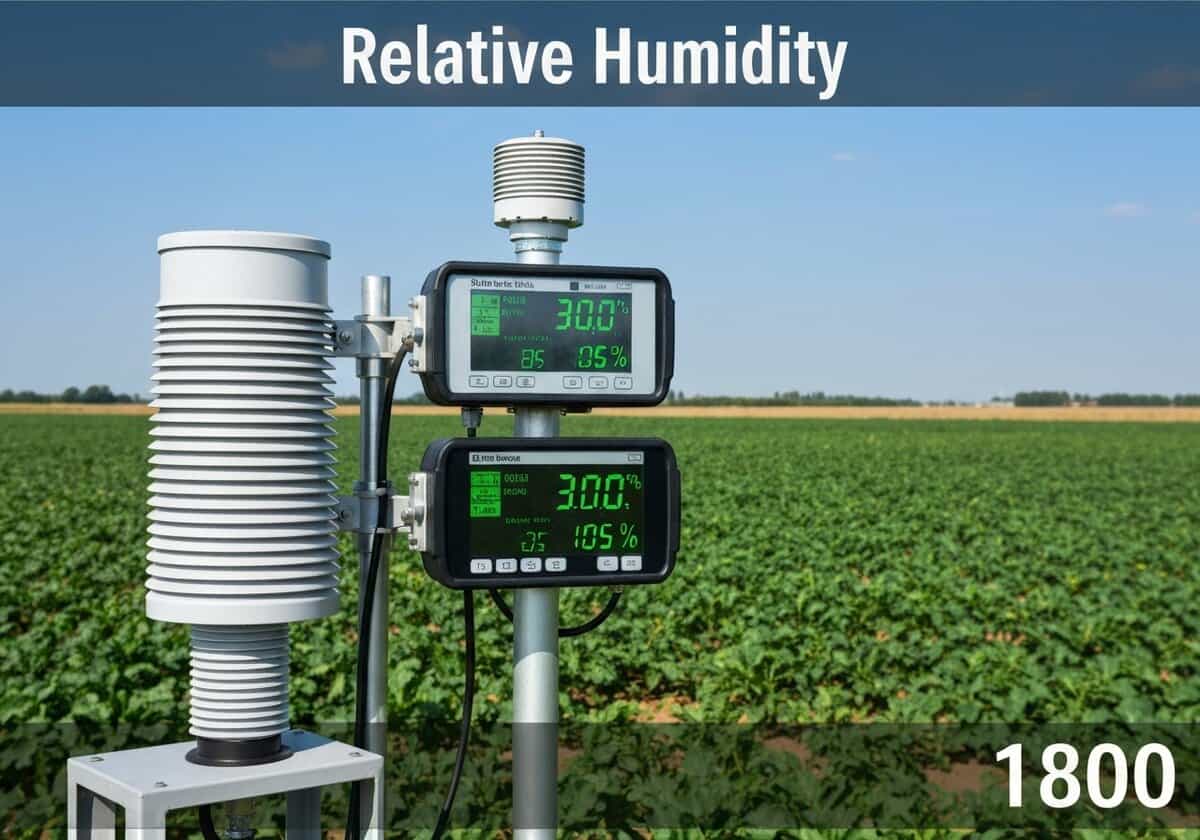
相対湿度([latex]phi[/latex])は、ある温度における水蒸気分圧([latex]p_{H_2O}[/latex])と水の平衡蒸気圧([latex]p^*_{H_2O}[/latex])の比です。パーセントで表すと、[latex]phi = frac{p_{H_2O}}{p^*_{H_2O}} times 100%[/latex]となります。これは空気が飽和状態にどれだけ近いかを示し、100%RHは空気が飽和状態であることを意味します。


(画像はイメージです)
相対湿度([latex]phi[/latex])は、ある温度における水蒸気分圧([latex]p_{H_2O}[/latex])と水の平衡蒸気圧([latex]p^*_{H_2O}[/latex])の比です。パーセントで表すと、[latex]phi = frac{p_{H_2O}}{p^*_{H_2O}} times 100%[/latex]となります。これは空気が飽和状態にどれだけ近いかを示し、100%RHは空気が飽和状態であることを意味します。

Relative humidity is a crucial metric in meteorology and everyday life because it directly relates to human comfort and various physical processes. Unlike 絶対湿度, which measures the total mass of water vapor, relative humidity provides context by comparing this amount to the maximum possible amount the air could hold at its current temperature. The equilibrium or saturation 蒸気圧 of water, [latex]p^*_{H_2O}[/latex], increases non-linearly with temperature. This means that if the amount of water vapor in the air remains constant (constant absolute humidity), a decrease in temperature will cause the relative humidity to increase. If the air cools sufficiently, it will reach its 露点φ = 100% の温度で、凝結(露、霧、雲)が発生し始めます。この温度依存性があるため、水蒸気の絶対量は夜間に変化していなくても、朝はより湿度が高く感じられることがよくあります。 HVAC システムでは、快適性や高湿度環境で繁殖するカビの発生を防ぐために、相対湿度を制御することは温度を制御することと同じくらい重要です。この概念は、ジョン・ドルトンなどの科学者の研究に根ざしており、彼の分圧の法則(1802 年頃)は、気体混合物の全圧は個々の成分の分圧の合計であることを確立し、空気中の水蒸気の挙動を理解するための基礎原理となっています。
相対湿度(RH)
(日付が不明または関連性がない場合、例えば「流体力学」などでは、その注目すべき出現時期の概算値が提示されます。)

フルサイズの画像とダウンロードは、登録会員のみが100%無料で利用できます。
> ログイン <