Product Design, Manufacturing & Innovation Resources

NIOSH लिफ्टिंग समीकरण

NIOSH लिफ्टिंग समीकरण

NIOSH लिफ्टिंग समीकरण

उद्देश्य:

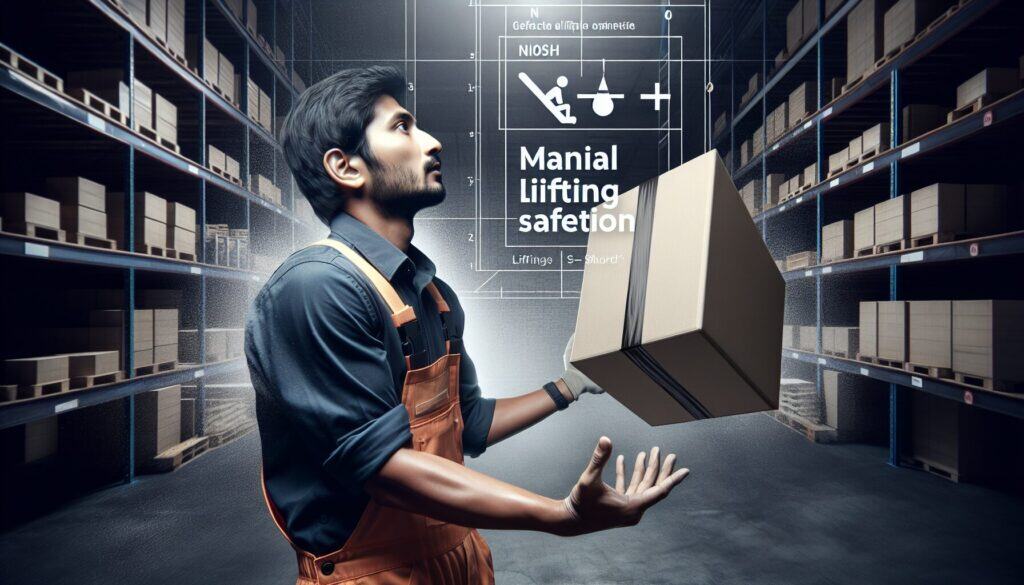
शारीरिक भार उठाने के कार्यों से जुड़े कमर के निचले हिस्से में चोट लगने के जोखिम का आकलन करने के लिए इस्तेमाल किया जाने वाला एक मान्यता प्राप्त उपकरण (वास्तव में एक सूत्र)।


इसका उपयोग कैसे किया जाता है:

फायदे

नुकसान

श्रेणियाँ:

इसके लिए सबसे अच्छा:

The NIOSH Lifting Equation (NLE) is particularly effective in environments where manual lifting is prevalent, such as warehouses, manufacturing plants, and medical settings. It is most commonly applied during the ergonomics phase of product design and workplace assessments, allowing engineers and safety specialists to collaborate on lifting task evaluations and modifications. Participants in the implementation of the NLE typically include safety engineers, ergonomists, occupational health professionals, human factors specialists, and employees who perform lifting tasks. The methodology can be integrated during various project phases, including the initial design development and during post-implementation reviews to ensure continuous improvement in ergonomics. A systematic approach using the equation can lead to redesigning jobs in a way that minimizes lifting risks and enhances worker safety. For instance, in an assembly line, modifying the positioning of components to align with the ideal lifting zones identified by the NLE can significantly lower the risk of injury. Industries like construction, logistics, and healthcare frequently utilize the NLE to analyze and adjust manual handling tasks. Furthermore, leveraging this methodology promotes a safety culture within organizations, encouraging ongoing risk assessments and fostering employee involvement in ergonomics initiatives, ultimately contributing to long-term injury reduction and enhanced operational efficiency.

इस पद्धति के प्रमुख चरण

  1. पैरों के मध्य बिंदु से भार की क्षैतिज स्थिति (H) की गणना करें।
  2. भार की ऊर्ध्वाधर स्थिति (V) फर्श से भार के हैंडल तक निर्धारित करें।
  3. भार द्वारा तय की गई ऊर्ध्वाधर दूरी (D) को उठाने की दूरी के रूप में मापें।
  4. असमरूपता कोण (A) का आकलन करें, जो शरीर की मध्य रेखा के सापेक्ष लिफ्ट का कोण है।
  5. प्रति मिनट उठाए जाने वाले भारों की संख्या के आधार पर भार उठाने की आवृत्ति (F) का अनुमान लगाइए।
  6. लोड पर उपयोग की जाने वाली ग्रिप के प्रकार के आधार पर कपलिंग की गुणवत्ता (C) का मूल्यांकन करें।
  7. उपरोक्त मापदंडों का उपयोग करके NIOSH लिफ्टिंग समीकरण का उपयोग करते हुए अनुशंसित भार सीमा (RWL) की गणना करें।
  8. भार के वजन को आरडब्ल्यूएल से विभाजित करके लिफ्टिंग इंडेक्स (एलआई) की गणना करें।
  9. LI मान की व्याख्या करें और इससे जुड़े कमर दर्द के जोखिम की पहचान करें।

प्रो टिप्स

  • Regularly update the parameters based on ergonomic research to adapt the NIOSH equation to evolving workplace conditions.
  • वास्तविक भार उठाने की तकनीकों को मापने के लिए मोशन कैप्चर सिस्टम जैसी तकनीक को शामिल करें, जिससे आरडब्ल्यूएल गणनाओं की सटीकता में सुधार होगा।
  • भार उठाने संबंधी आकलन से प्राप्त निष्कर्षों का उपयोग सुरक्षित भार उठाने की प्रथाओं पर केंद्रित प्रशिक्षण कार्यक्रमों को लागू करने और जोखिम कम करने की रणनीतियों को सुदृढ़ करने के लिए करें।

विभिन्न पद्धतियों को पढ़ने और उनकी तुलना करने के लिए, हम अनुशंसा करते हैं

> व्यापक कार्यप्रणाली भंडार  <
अन्य 400 से अधिक पद्धतियों के साथ।

इस कार्यप्रणाली पर आपकी टिप्पणियाँ या अतिरिक्त जानकारी का स्वागत है। नीचे टिप्पणी अनुभाग देखें ↓ , साथ ही इंजीनियरिंग से संबंधित कोई भी विचार या लिंक।

ऐतिहासिक संदर्भ

1924
1925
1926
1927
1927
1930
1930
1924
1925
1926
1926
1927
1930
1930
1930

(यदि तिथि अज्ञात है या प्रासंगिक नहीं है, उदाहरण के लिए "द्रव यांत्रिकी", तो इसके उल्लेखनीय उद्भव का एक अनुमानित आंकड़ा प्रदान किया गया है)


संबंधित पोस्ट

पंजीकृत सदस्यों के लिए पूर्ण आकार की छवियाँ और डाउनलोड 100% निःशुल्क उपलब्ध हैं।