Product Design, Manufacturing & Innovation Resources

अनुदैर्ध्य अध्ययन

अनुदैर्ध्य अध्ययन

अनुदैर्ध्य अध्ययन

उद्देश्य:

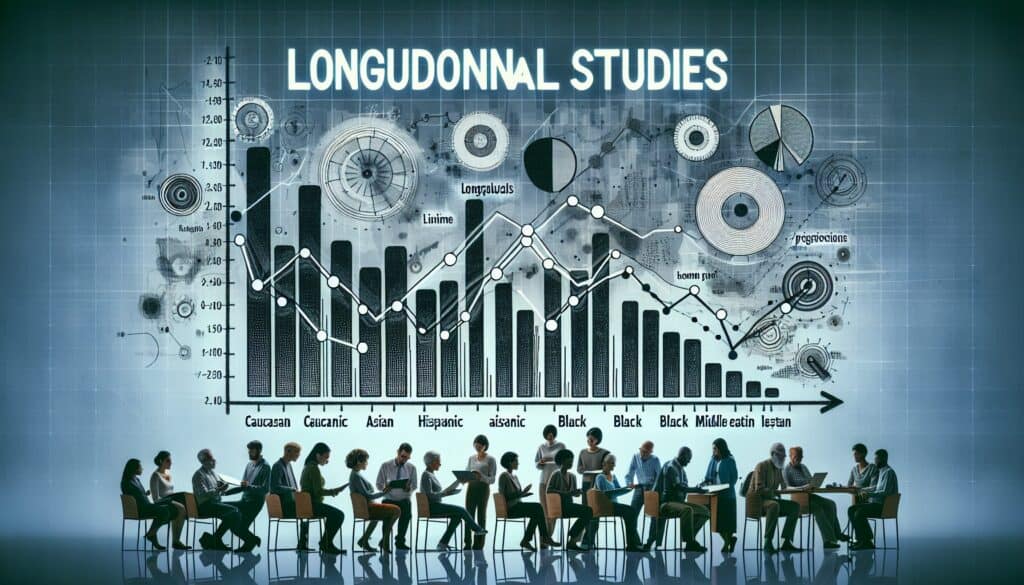
ऐसा शोध जिसमें एक ही विषय से लंबे समय तक (सप्ताह, महीने या यहां तक ​​कि वर्षों तक) बार-बार अवलोकन या डेटा संग्रह शामिल होता है।

इसका उपयोग कैसे किया जाता है:

फायदे

नुकसान

श्रेणियाँ:

इसके लिए सबसे अच्छा:

Longitudinal studies find extensive use across various sectors including healthcare, education, consumer electronics, and software development, often adopted during the user testing or evaluation phases of product design. In healthcare, for instance, these studies can track patient outcomes over extended periods, examining how long-term treatments affect health and quality of life, which can inform modifications to medical devices or services. In the consumer electronics industry, longitudinal studies may involve tracking how users interact with products like smartphones or wearables over several months or years, providing insights into evolving user preferences and habits that can inform future iterations of design. Participants in such studies typically include end-users, which could encompass a diverse demographic depending on the product, as well as stakeholders such as designers, engineers, market researchers, and UX specialists who interpret the collected data. By comparing responses at various intervals, patterns of behavioral change may emerge, highlighting phases of adaptation, skill development, or shifts in user satisfaction, enabling product teams to make informed design decisions that enhance long-term engagement and usability. Furthermore, longitudinal approaches are particularly suited for understanding the lifecycle of software products, where changes implemented based on user feedback can be observed to determine their sustainability and effectiveness over time, thus enriching the iterative design process.

इस पद्धति के प्रमुख चरण

  1. शोध प्रश्नों और उद्देश्यों की पहचान करें और उन्हें परिभाषित करें।
  2. डेटा संग्रह के लिए प्रतिभागियों का एक उपयुक्त नमूना चुनें।
  3. डेटा संग्रह के लिए समय अंतराल निर्धारित करें।
  4. प्रत्येक अंतराल पर डेटा एकत्र करने के लिए उपयुक्त विधियों का चयन करें।
  5. प्रतिभागियों की सहभागिता और उन्हें बनाए रखने के लिए एक तंत्र स्थापित करें।
  6. विभिन्न समय बिंदुओं पर डेटा विश्लेषण के लिए एक व्यवस्थित दृष्टिकोण लागू करें।
  7. प्रतिभागियों की बदलती जरूरतों या अनुभवों पर नजर रखें और उनका समाधान करें।
  8. निष्कर्षों पर विचार करें और आवश्यकतानुसार भविष्य में डेटा संग्रह विधियों को परिष्कृत करें।

प्रो टिप्स

  • समय के साथ उपयोगकर्ताओं के अनुभवों को और अधिक गहराई से समझने के लिए, गुणात्मक साक्षात्कारों के साथ-साथ मात्रात्मक सर्वेक्षणों जैसी मिश्रित विधियों को शामिल करें।
  • प्रतिभागियों के बीच में ही अध्ययन छोड़ देने या उपयोगकर्ता जनसांख्यिकी में बदलाव को ध्यान में रखते हुए अनुकूली नमूनाकरण तकनीकों को लागू करें, जिससे डेटा की स्थिरता सुनिश्चित हो सके।
  • रुझानों का विश्लेषण करने के लिए उन्नत सांख्यिकीय मॉडलिंग का उपयोग करें, जिससे ऐतिहासिक आंकड़ों के आधार पर भविष्य के व्यवहारों की भविष्यवाणी करना संभव हो सके।

विभिन्न पद्धतियों को पढ़ने और उनकी तुलना करने के लिए, हम अनुशंसा करते हैं

> व्यापक कार्यप्रणाली भंडार  <
अन्य 400 से अधिक पद्धतियों के साथ।

इस कार्यप्रणाली पर आपकी टिप्पणियाँ या अतिरिक्त जानकारी का स्वागत है। नीचे टिप्पणी अनुभाग देखें ↓ , साथ ही इंजीनियरिंग से संबंधित कोई भी विचार या लिंक।

ऐतिहासिक संदर्भ

1950
1955
1956
1960
1960
1960
1960
1950
1950
1955
1958
1960
1960
1960
1960

(यदि तिथि अज्ञात है या प्रासंगिक नहीं है, उदाहरण के लिए "द्रव यांत्रिकी", तो इसके उल्लेखनीय उद्भव का एक अनुमानित आंकड़ा प्रदान किया गया है)


संबंधित पोस्ट

पंजीकृत सदस्यों के लिए पूर्ण आकार की छवियाँ और डाउनलोड 100% निःशुल्क उपलब्ध हैं।