Product Design, Manufacturing & Innovation Resources

अन्वेषणात्मक अनुसंधान

अन्वेषणात्मक अनुसंधान

अन्वेषणात्मक अनुसंधान

उद्देश्य:

किसी ऐसी समस्या की जांच करना जो स्पष्ट रूप से परिभाषित न हो।

इसका उपयोग कैसे किया जाता है:

फायदे

नुकसान

श्रेणियाँ:

इसके लिए सबसे अच्छा:

Exploratory Research is commonly utilized during the initial stages of product development, particularly in industries such as consumer electronics, healthcare, and automotive, where understanding uncharted market landscapes and user behaviors is pivotal. This approach can be initiated by product managers, market researchers, or design teams who seek a foundational grasp of user needs, preferences, and pain points before committing to a specific design direction. Engaging diverse participants through methods like interviews and focus groups encourages the capture of nuanced perspectives that might otherwise be overlooked. The flexibility of this methodology allows teams to pivot based on emerging themes or insights, making it particularly effective in fast-evolving sectors like tech startups or environmental products facing regulatory changes. For example, a design team exploring sustainable packaging might conduct exploratory research to learn about consumer attitudes towards biodegradable materials and their willingness to pay a premium for eco-friendly options. Insights from this research can directly inform product specifications and marketing strategies, ultimately reducing the risk of misaligned offerings in the marketplace. Such an adaptive approach can also reveal potential partnerships or collaborations with other organizations that address similar challenges, thereby enriching the design process and enhancing innovation outcomes.

इस पद्धति के प्रमुख चरण

  1. मौजूदा शोध और ज्ञान में मौजूद कमियों की पहचान करने के लिए साहित्य की गहन समीक्षा करें।
  2. हितधारकों के अनुभवों और धारणाओं का पता लगाने के लिए उनसे गहन साक्षात्कार करें।
  3. विशिष्ट विषयों और अवधारणाओं पर चर्चा उत्पन्न करने के लिए फोकस समूहों का संचालन करें।
  4. व्यवहार और आवश्यकताओं के बारे में प्रासंगिक डेटा एकत्र करने के लिए उपयोगकर्ताओं को उनके प्राकृतिक वातावरण में देखें।
  5. विचारों पर मंथन करने और मान्यताओं को सत्यापित करने के लिए उपयोगकर्ताओं के साथ सहभागी डिजाइन सत्रों में भाग लें।
  6. पैटर्न, विषयवस्तु और उभरती परिकल्पनाओं की पहचान करने के लिए गुणात्मक डेटा का विश्लेषण करें।
  7. शोध के दायरे को परिष्कृत करने और बाद के गहन अध्ययनों को सूचित करने के लिए निष्कर्षों पर पुनरावृति करें।

प्रो टिप्स

  • उपयोगकर्ताओं की भावनाओं और रुझानों को जानने के लिए सोशल मीडिया और फ़ोरम सहित विभिन्न डेटा स्रोतों का उपयोग करें, जिनका उल्लेख अकादमिक साहित्य में नहीं किया गया है।
  • प्राकृतिक परिवेश में सहभागी अवलोकन को शामिल करें, जो उपयोगकर्ता के व्यवहार और जरूरतों को उजागर कर सकता है जिन्हें संरचित विधियां अनदेखा कर सकती हैं।
  • प्रारंभिक अन्वेषण चरणों के दौरान पुनरावृत्ति प्रोटोटाइपिंग को लागू करें; इससे वास्तविक समय में प्रतिक्रिया प्राप्त होती है और अवधारणाओं के साथ उपयोगकर्ता की बातचीत की गहरी समझ विकसित होती है।

विभिन्न पद्धतियों को पढ़ने और उनकी तुलना करने के लिए, हम अनुशंसा करते हैं

> व्यापक कार्यप्रणाली भंडार  <
अन्य 400 से अधिक पद्धतियों के साथ।

इस कार्यप्रणाली पर आपकी टिप्पणियाँ या अतिरिक्त जानकारी का स्वागत है। नीचे टिप्पणी अनुभाग देखें ↓ , साथ ही इंजीनियरिंग से संबंधित कोई भी विचार या लिंक।

ऐतिहासिक संदर्भ

1950
1955
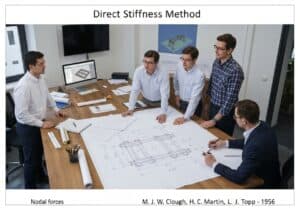
1956
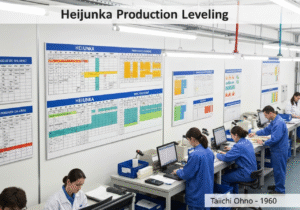
1960
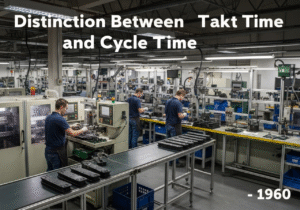
1960
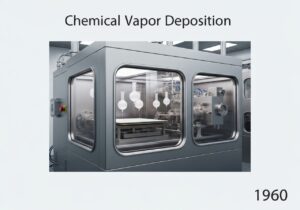
1960
1960
1950
1950
1955
1958
1960
1960
1960
1960

(यदि तिथि अज्ञात है या प्रासंगिक नहीं है, उदाहरण के लिए "द्रव यांत्रिकी", तो इसके उल्लेखनीय उद्भव का एक अनुमानित आंकड़ा प्रदान किया गया है)

संबंधित पोस्ट

पंजीकृत सदस्यों के लिए पूर्ण आकार की छवियाँ और डाउनलोड 100% निःशुल्क उपलब्ध हैं।