Product Design, Manufacturing & Innovation Resources

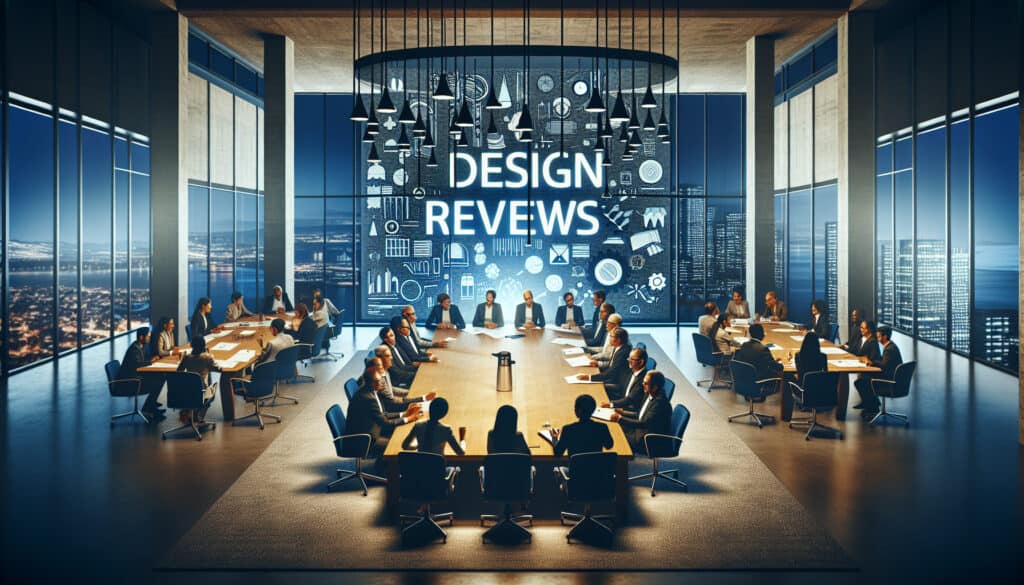
डिजाइन समीक्षाएँ

डिजाइन समीक्षाएँ

डिजाइन समीक्षाएँ

उद्देश्य:

किसी परियोजना में औपचारिक बैठकें या जाँच बिंदु जहाँ हितधारकों से प्रतिक्रिया और अनुमोदन के लिए डिज़ाइन प्रस्तुत किया जाता है।

इसका उपयोग कैसे किया जाता है:

फायदे

नुकसान

श्रेणियाँ:

इसके लिए सबसे अच्छा:

Design Reviews take place in various sectors such as automotive, aerospace, consumer electronics, and medical devices, where rigorous adherence to specifications and safety standards is paramount. These reviews typically occur at the completion of each design phase, including conceptual design, preliminary design, and detailed design stages, allowing teams to assess functionality, manufacturability, and compliance with industry regulations. The participants include cross-functional team members such as engineers, product managers, quality assurance professionals, and sometimes end-users or clients for feedback. Involving diverse perspectives during these evaluations can foster collaboration and innovation, as different stakeholders bring unique requirements and constraints to the table. Techniques such as rigorous checklists, simulation testing, and prototype evaluations are often incorporated into the review process, allowing for data-driven discussions. Conducting these reviews regularly aids in maintaining project timelines and budgets, as issues can be identified and addressed promptly, preventing costly fixes later in the development process. Furthermore, this structured approach not only provides transparency and accountability but also enhances communication among team members, ensuring that everyone is aligned with the project goals and expectations.

इस पद्धति के प्रमुख चरण

  1. समीक्षा बैठक के लिए स्पष्ट उद्देश्य निर्धारित करें।
  2. डिजाइन को आवश्यकताओं और विशिष्टताओं के अनुरूप प्रस्तुत करें।
  3. डिजाइन की व्यवहार्यता और अनुरूपता का आकलन करने के लिए चर्चाओं को सुगम बनाएं।
  4. संभावित जोखिमों और समस्याओं की पहचान करें और उन्हें दस्तावेज़ में दर्ज करें।
  5. सभी हितधारकों से प्रतिक्रिया प्राप्त करें।
  6. डिजाइन की स्थिति और आगे के कदमों पर आम सहमति बनाएं।
  7. डिजाइन में सहमति के अनुसार परिवर्तन और समायोजन लागू करें।
  8. अगले विकास चरण में आगे बढ़ने के लिए अनुमोदन की पुष्टि करें।

प्रो टिप्स

  • एक संरचित चेकलिस्ट लागू करें जो विशिष्ट डिजाइन मानदंडों के अनुरूप हो, ताकि यह सुनिश्चित किया जा सके कि समीक्षाओं के दौरान सभी पहलुओं को लगातार कवर किया जाए।
  • सभी हितधारकों को व्यापक राय देने के बजाय कार्रवाई योग्य आलोचनाएं प्रदान करने का प्रशिक्षण देकर रचनात्मक प्रतिक्रिया की संस्कृति को प्रोत्साहित करें।
  • पिछले मूल्यांकनों से प्राप्त प्रदर्शन मापदंडों का उपयोग निर्णयों को सूचित करने और कार्यप्रणाली को समायोजित करने के लिए करें, जिससे भविष्य के मूल्यांकनों की प्रभावशीलता में वृद्धि हो सके।

विभिन्न पद्धतियों को पढ़ने और उनकी तुलना करने के लिए, हम अनुशंसा करते हैं

> व्यापक कार्यप्रणाली भंडार  <
अन्य 400 से अधिक पद्धतियों के साथ।

इस कार्यप्रणाली पर आपकी टिप्पणियाँ या अतिरिक्त जानकारी का स्वागत है। नीचे टिप्पणी अनुभाग देखें ↓ , साथ ही इंजीनियरिंग से संबंधित कोई भी विचार या लिंक।

ऐतिहासिक संदर्भ

1950
1955
1956
1960
1960
1960
1960
1950
1950
1955
1958
1960
1960
1960
1960

(यदि तिथि अज्ञात है या प्रासंगिक नहीं है, उदाहरण के लिए "द्रव यांत्रिकी", तो इसके उल्लेखनीय उद्भव का एक अनुमानित आंकड़ा प्रदान किया गया है)


संबंधित पोस्ट

पंजीकृत सदस्यों के लिए पूर्ण आकार की छवियाँ और डाउनलोड 100% निःशुल्क उपलब्ध हैं।